Will Homeowners Insurance Cover Your Water Leak? A Kyle TX Homeowner’s Guide
You just found it — the warped baseboard in the hallway, the damp patch spreading across the bedroom ceiling, or the water bill from the City of Kyle that makes no sense. After the initial shock, most homeowners land on the same urgent question: will my homeowners insurance cover this water leak? Understanding homeowners insurance…
You just found it — the warped baseboard in the hallway, the damp patch spreading across the bedroom ceiling, or the water bill from the City of Kyle that makes no sense. After the initial shock, most homeowners land on the same urgent question: will my homeowners insurance cover this water leak?
Understanding homeowners insurance water leak coverage in Kyle TX before you file a claim can be the difference between a paid claim and a denial letter. Consider this your plain-English guide to homeowners insurance water leak coverage Kyle TX homeowners can actually use. Insurers do pay for many water damage claims, but they also deny them more often than homeowners expect. The deciding factors are usually the cause of the leak, how quickly you acted, and — above all — how well you documented everything.
New to how this works? Here is the short version of homeowners insurance water leak coverage Kyle TX insurers follow: sudden and accidental damage is covered, while slow leaks and wear are not.
What Homeowners Insurance Usually Covers
Most Texas homeowners policies cover water damage that is sudden and accidental. That means the event happened without warning and was not something routine maintenance should have prevented. Typical examples include:
- A burst supply pipe — a water line that suddenly ruptures and soaks the drywall, flooring, or cabinets around it.
- A failed appliance hose — a washing machine supply line or dishwasher connector that lets go all at once.
- A water heater rupture — a tank that suddenly bursts and floods the garage or utility closet.
Here is the part that surprises people: insurance usually pays for the resulting damage, not the pipe repair itself. The drywall, flooring, cabinets, and paint that the water ruined are typically claimable. The actual broken pipe — and the plumbing bill to fix it — often is not, because the policy covers the damage, not the failed component that caused it.
Some policies also include limited coverage for mold remediation that follows a covered water event, though those limits are often modest. Policies vary widely, so check yours — the only coverage description that truly counts is the one in your own declarations page and policy wording.
What Gets Denied Most Often
The number-one reason water damage claims get denied is the insurer deciding the leak was long-term rather than sudden. If the adjuster believes water was seeping for weeks or months before you noticed, the claim gets labeled a maintenance issue and denied — even if you genuinely had no idea the leak existed.
Other common denials include:
- Slow, continuous leaks — a drip inside a wall or under a slab that went unnoticed is the classic denial scenario.
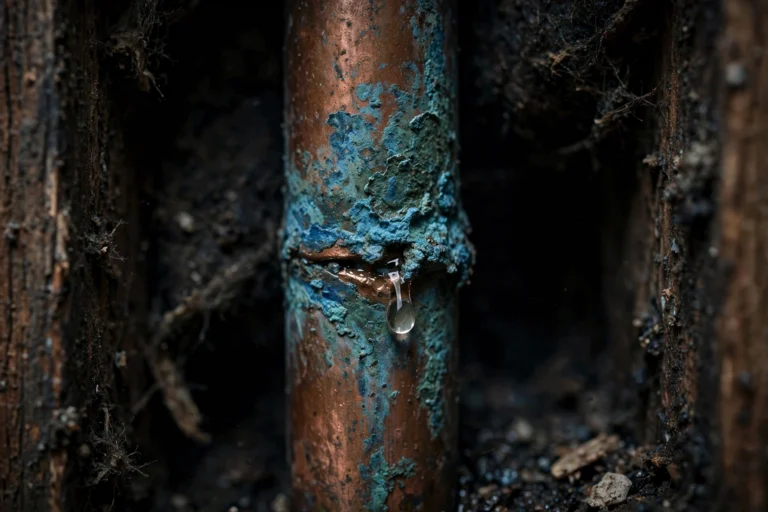
- Wear and tear — corroded, aging pipes that finally gave out after years of deterioration.
- Poor maintenance — failing to address a known problem, like a roof or plumbing issue you were already aware of.
- Storm flooding and rising water — flood damage from heavy rain or rising water typically requires a separate flood policy, not a standard homeowners policy.
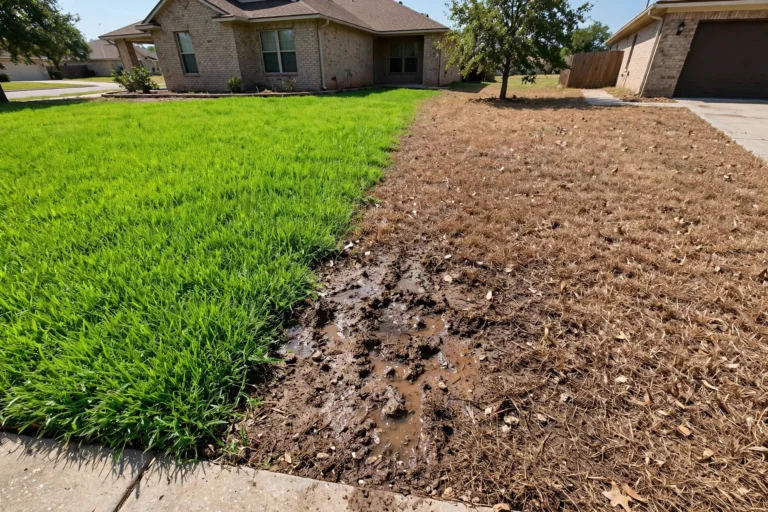
This is where Kyle’s housing stock creates a particular trap. Much of Kyle — from Plum Creek and Six Creeks to Crosswinds, Steeplechase, and Waterleaf — is built slab-on-grade on expansive clay soil. A small leak under the foundation can run silently for months, with the first visible sign being a warm spot on the tile or a faint musty smell. To an insurer, that long undetected timeline looks exactly like the kind of slow leak they exclude. If you are in a neighborhood built on this soil and your floors feel unusually warm or your water meter creeps upward, it is worth learning how to check your water meter for a leak before the damage compounds.
The Claim Mistakes That Cost Kyle Homeowners Thousands
Even when a leak should be covered, homeowners talk themselves into a denial with a handful of avoidable mistakes. These are the mistakes that turn a valid homeowners insurance water leak coverage Kyle TX claim into a denial:
1. Cleaning up with zero documentation
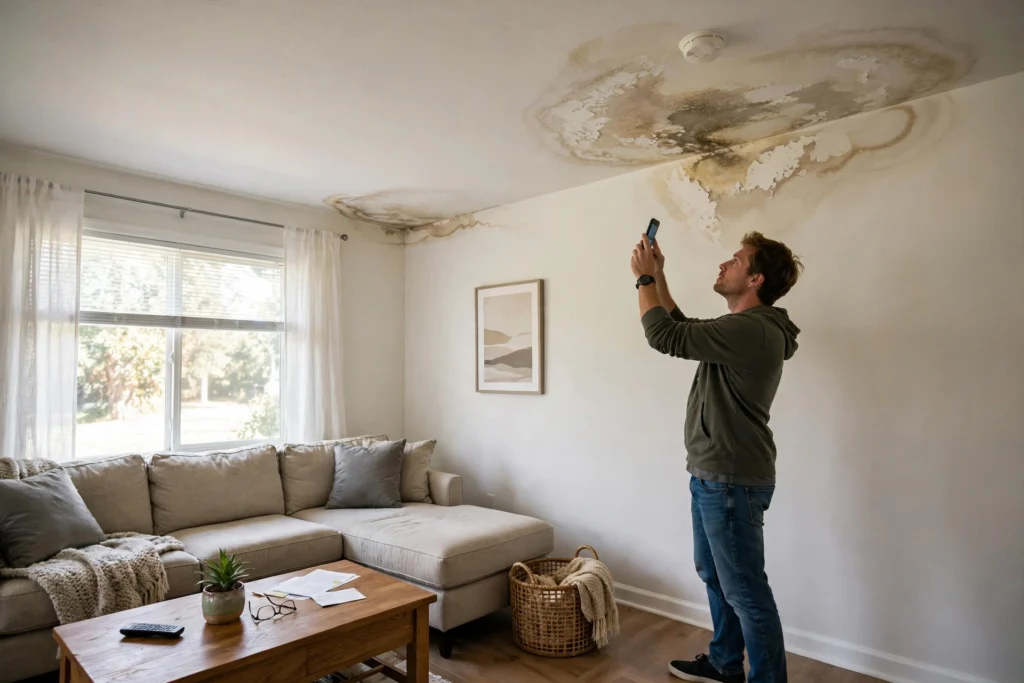
This is the number-one claim killer. In the panic of mopping up, most people never stop to take photos or video. By the time the adjuster arrives, there is nothing showing how bad the water was, where it came from, or how far it spread. Photograph and video everything first — the stains, the puddles, the swollen baseboards — before you move a single towel.
2. Throwing away damaged materials before the adjuster visits
Damaged drywall, soaked carpet pad, and warped trim are evidence of the loss. Bag or set aside what you must remove for safety, but do not haul it to the curb before the adjuster has seen it or you have documented it thoroughly.
3. Starting permanent repairs before the adjuster approves
Emergency mitigation — stopping the water, drying things out — is expected and necessary. But tearing out walls and rebuilding before the adjuster has inspected gives the insurer room to dispute what was actually damaged. Mitigate first, rebuild after approval.
4. Signing a quick, low settlement
Insurers sometimes offer a fast payout that feels like relief in a stressful week but falls short of the real repair cost. Get your own contractor estimates before you accept anything, and understand your deductible and coverage limits before you agree.
5. Not knowing your deductible and limits
A claim that pays less than your deductible nets you nothing and still goes on your record. Know your numbers before you file.
The bottom line on homeowners insurance water leak coverage Kyle TX policies: sudden and accidental damage is covered, while gradual deterioration is not.

If you are dealing with an active leak right now, follow these emergency steps for a found water leak to protect both your home and your future claim. And remember: the cost of finding the leak is a separate matter from the damage claim — a professional detection visit is a diagnostic service fee, not something the insurer automatically reimburses. Our diagnostic fee explainer walks through what that visit involves and why it matters.
How a Leak Detection Report Strengthens Your Claim
Adjusters decide coverage based on evidence, and a professional leak detection report is some of the strongest evidence a homeowner can put on the table. A written report with an exact leak location, a date stamp, and a documented moisture extent does several things at once:
- It proves you acted promptly — a dated report shows you investigated as soon as you suspected a problem, which counters the “you let it go” narrative.
- It pins down the source — instead of a vague “water appeared,” you have a documented point of origin that supports a sudden-and-accidental description of the event.
- It maps the damage — a written moisture extent helps align the repair scope with the claim, making lowball estimates harder to justify.
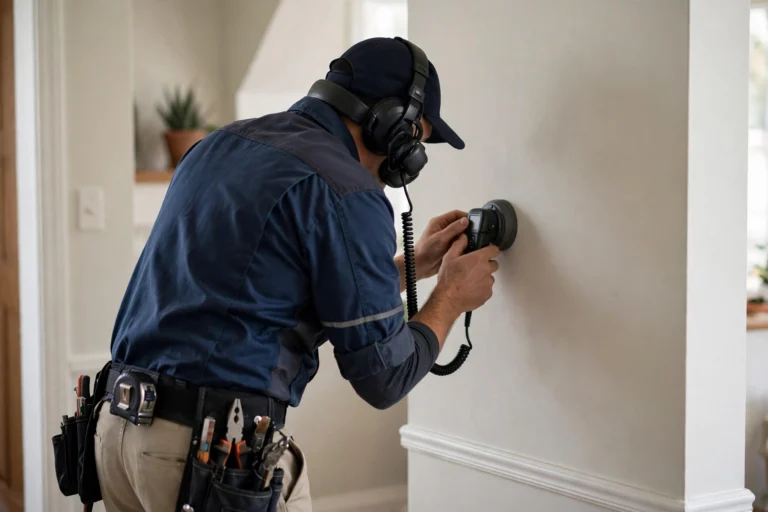
- It separates the sudden from the chronic — when a technician documents conditions through specialized, non-invasive testing methods, the report reads as expert evidence rather than a homeowner’s guess.
Curious what that visit actually looks like? Read what happens during a leak detection visit so you know what to expect — and what kind of report you should walk away with. Keep every piece of paperwork: the detection report, plumber invoices, drying-company receipts, and your own dated photos. That file is what separates paid claims from denied ones.
What to Do Right Now If You Suspect a Leak
Do not wait to see if it gets worse. In Kyle’s slab-on-grade homes, a hidden leak only gets more expensive the longer it runs. Work through these steps in order:
- Document before you touch anything. Photos and video of every stain, puddle, and swollen surface. Capture the date.
- Shut the water off if the leak is active. Know where your main shutoff is before you need it.
- Confirm the leak. Learn the signs of a hidden water leak — unexplained high bills, musty odors, warm floors, the sound of running water when nothing is on.
- Get the source located professionally. A written, dated detection report becomes the backbone of your claim documentation. Call (512) 729-5265 for a documented leak detection visit in Kyle.
- Call your insurer promptly. Most policies require timely notice. Ask specifically about your deductible, coverage limits, and what documentation they want.
- Keep every receipt. Emergency mitigation, detection, and temporary repairs all support the claim file.
For slab-specific warning signs common in Kyle neighborhoods, see our guide to slab leak warning signs — catching these early is what keeps a small problem from becoming a denied big one.
That file is what turns homeowners insurance water leak coverage Kyle TX fine print into a paid claim.
If Your Claim Is Denied
A denial is not necessarily the end of the story. Stay calm and work the process: ask the adjuster for the denial in writing with the specific policy language cited, review that language against your own policy documents, and talk to your insurance agent — they can sometimes get a claim re-reviewed or clarify whether the denial rests on a misunderstanding of the facts.
Getting independent contractor estimates also helps you judge whether a settlement offer or denial reflects the real repair scope. If you believe the denial is wrong after exhausting the insurer’s internal process, Texas homeowners have the option of filing a complaint with the Texas Department of Insurance, which reviews consumer complaints about insurers. For a broader walkthrough of how to avoid the common denial traps, see this claims guide on how to avoid denied claims.
None of this is legal advice — policies vary, and every claim turns on its own facts and policy wording. When in doubt, read your policy and talk to your agent.
Get the Documentation Before You Need It
The homeowners who get paid are the ones who can prove what happened, when it happened, and where the water came from. A professional, written leak detection report is the single strongest piece of documentation you can add to your file — and it is cheapest to get before the damage spreads.
If you suspect a leak anywhere in your Kyle home — Plum Creek, Six Creeks, Crosswinds, Steeplechase, Waterleaf, or anywhere between — call Kyle Leak Detection Pros at (512) 729-5265. We locate the source, document it in writing, and hand you the report your claim depends on.