

Leak Detection in Plum Creek, Kyle, TX
Plum Creek is one of Kyle’s largest and most established master-planned communities — a large neighborhood built around a golf course, with lakes, parks, trails, and pools woven through it. The community’s defining trait for homeowners is its age mix: original sections dating back decades sit alongside newer phases, which means Plum Creek leak detection covers everything from aging-pipe slab leaks to settling-related irrigation issues. The community sits near FM 150 and west of I-35, convenient to the whole Kyle area. EPA WaterSense

Local Area
Plum Creek, Kyle, TX 78640
Leak Detection
Hidden & underground leak guidance for homeowners
Local Coverage
Serving Kyle & surrounding Hays County
Clear Next Steps
Plain-language findings and what to do next

Plum Creek Leak Detection: Leak Issues We See in Plum Creek
Plum Creek’s age spread creates two distinct leak profiles.
Older Sections: Aging Pipes
In the original, older sections, original plumbing is now well past its prime — the age window when slab leaks, water heater connection failures, and aging sewer joints become common.
Expansive Clay Soil
The expansive clay soil beneath the community has spent decades swelling and shrinking, stressing buried water and sewer lines the entire time. See our guide to slab leaks in Kyle’s clay soil for why this soil is so hard on pipes.
Newer Phases: Construction Settling
In newer phases, construction settling is the watch item: as fresh fill soil compacts over the first few years, buried lines can shift and irrigation connections can separate.
Lakes, Groundwater & the Water Bill
With the community’s lakes, ponds, and heavy irrigation, high groundwater in spots can mask the soggy-yard signs of a water line leak — making the water bill your most reliable early warning. Our high water bill guide shows how to read your bill as a leak signal.
Golf course adjacency matters too: homes backing to the course often have extensive irrigation systems, and irrigation leaks are frequently mistaken for plumbing leaks (and vice versa). A proper diagnosis tells them apart before anyone digs — our irrigation leak signs guide covers the differences to watch for.
If you need Plum Creek Leak Detection, calling early usually saves money compared to waiting.
Common Leak Issues in Plum Creek
Slab Leaks
Aging-pipe slab leaks are common in Plum Creek’s original sections, where original plumbing is past its prime and decades of clay soil movement stress buried lines.
Water Line Leaks
High groundwater in spots can mask the soggy-yard signs of a water line leak — making the water bill your most reliable early warning.
Sewer Line Issues
Aging sewer joints become common in older sections — root intrusion and joint separation are cheap to fix when caught early.
Irrigation Leaks
Settling can separate irrigation connections, and irrigation leaks are frequently mistaken for plumbing leaks (and vice versa).
Pool Leaks
With lakes, parks, trails, and pools woven through the community, pool water loss is a common call — pool leak detection pinpoints the source.

Our Plum Creek Leak Detection process is straightforward and explained in plain language.
Services Available in Plum Creek
Not sure which fits? Call (512) 729-5265 and describe your symptoms. For Plum Creek Leak Detection, the first step is always understanding your symptoms.
How We Help in Plum Creek
Describe the Symptoms
Call (512) 729-5265 and describe your symptoms — high bill, warm floor, pool water loss, soggy yard.
Understand the Possible Source
For Plum Creek Leak Detection, the first step is always understanding your symptoms. A proper diagnosis tells irrigation and plumbing leaks apart before anyone digs.
Locate the Leak
Our Plum Creek Leak Detection process is straightforward and explained in plain language.
Get Clear Next Steps
You’ll be connected with an independent local provider serving Plum Creek and the greater Kyle area — and calling early usually saves money compared to waiting.
Preventing Leaks in Plum Creek
Plum Creek’s mix of home ages calls for a two-track approach.
In Original, Older Sections
- Know where your main shutoff is.
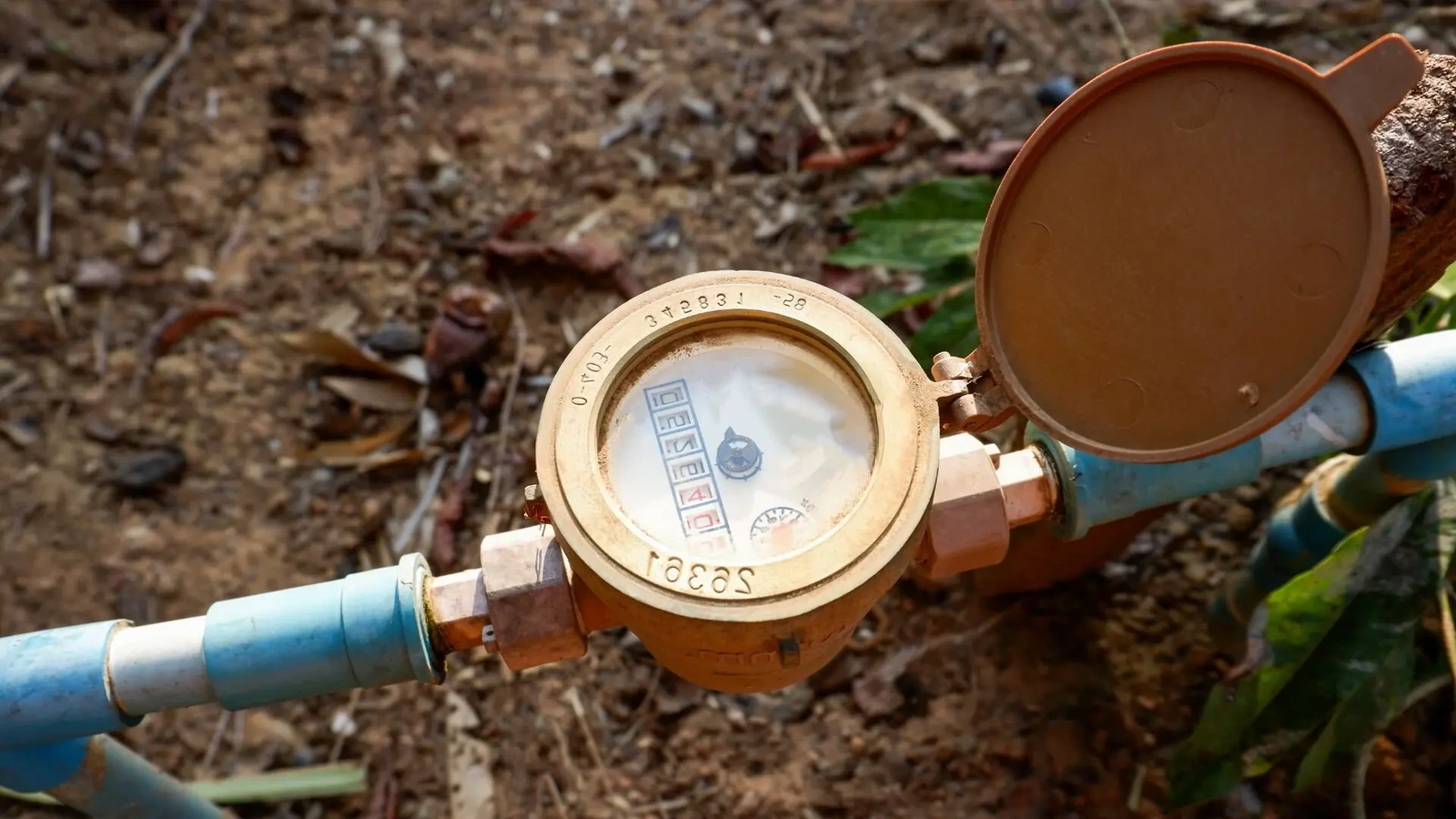
- Glance at your water meter’s leak indicator monthly.
- Treat any sustained bill increase as guilty-until-proven-innocent.
- Older homes benefit from periodic sewer line inspections — root intrusion and joint separation are cheap to fix when caught early.
In Newer Phases
- Watch for settling: new soggy spots, irrigation zones that won’t adjust, or small foundation hairlines in the first years are worth investigating while builder warranties may still apply.
Across the whole community, the lakes and heavy irrigation mean high local groundwater — so don’t dismiss a wet yard as “just the sprinklers” if your bill is also climbing. And with golf-course-adjacent landscaping, keep irrigation maintenance separate in your mind from household plumbing: a meter test with the irrigation off tells you which system is actually losing water.
We provide Plum Creek Leak Detection for homes across the Kyle area. Questions about Plum Creek Leak Detection? The sections above cover the most common ones.
Quick Water Meter Check in Plum Creek
Run a meter test with the irrigation system completely off: if the meter still moves, the leak is in the household plumbing. If the meter only moves when irrigation runs, the problem is in the irrigation system. With Plum Creek’s golf-course-adjacent lots and high groundwater, this test saves a lot of wrong-direction digging.
Turn off water use
Shut off all water use inside the home.
Turn off irrigation
Make sure the irrigation system is completely off.
Check the meter
Watch the meter’s dial or leak indicator.
Wait and check again
If the meter still moves, the leak is in the household plumbing; if it only moves when irrigation runs, the problem is in the irrigation system.
Getting Help in Plum Creek
One call is all it takes: (512) 729-5265. Describe your symptoms — high bill, warm floor, pool water loss, soggy yard — and you’ll be connected with an independent local provider serving Plum Creek and the greater Kyle area.
If your home backs to the golf course or a greenbelt, mention it when you call — shared irrigation mains in those areas can complicate diagnosis, and knowing the layout upfront helps the provider plan. Have a recent water bill handy if you can; comparing usage month-to-month is often the fastest way to confirm a suspected leak. You can also reach us through our contact page.
You’ll be connected with an independent local provider serving Plum Creek and the greater Kyle area.
Also Serving Nearby Kyle Communities
Frequently Asked Questions
If you’re in Plum Creek or anywhere in the Kyle, TX 78640 area, yes. Call (512) 729-5265 and you’ll be connected with a provider serving your neighborhood.
It depends on home age and soil conditions. Older sections face aging-pipe slab leaks while newer phases see settling-related irrigation and line issues. A quick call describing your symptoms will point you to the right type of detection.
Providers serve the full Kyle area. Call (512) 729-5265 to discuss your situation — if you have active flooding or a burst pipe, say so on the call so it can be handled appropriately.
Cost depends on the leak type, access difficulty, and the assessment involved — not the neighborhood. When you call (512) 729-5265, describe what you’re seeing and the provider will explain what the visit typically involves and what affects pricing. Our cost guide covers the factors in more detail.
Run a meter test with the irrigation system completely off: if the meter still moves, the leak is in the household plumbing. If the meter only moves when irrigation runs, the problem is in the irrigation system. With Plum Creek’s golf-course-adjacent lots and high groundwater, this test saves a lot of wrong-direction digging.
Usually, yes — at least at the start. The provider needs access to indoor fixtures, the water heater, and the main shutoff, and they’ll want to hear your description of the symptoms firsthand. For exterior-only issues like a yard line break, outdoor access alone may be enough. When you call (512) 729-5265, describe your situation and they’ll tell you exactly what access is needed at your Plum Creek home.