

Found a Water Leak? Emergency Steps Every Kyle Homeowner Should Know
Found a Water Leak? Emergency Steps Every Kyle Homeowner Should Know Water is spreading across your floor, dripping through the ceiling, or pooling where it should never be — and your heart is pounding. Knowing the right emergency steps the moment you have found a water leak is what separates a bad afternoon from a…
Found a Water Leak? Emergency Steps Every Kyle Homeowner Should Know
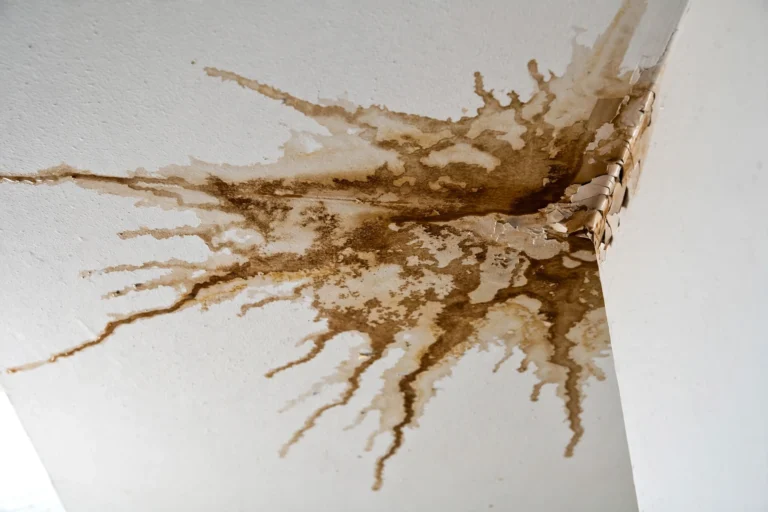
Water is spreading across your floor, dripping through the ceiling, or pooling where it should never be — and your heart is pounding. Knowing the right emergency steps the moment you have found a water leak is what separates a bad afternoon from a five-figure repair. This guide gives Kyle homeowners a clear, calm sequence to follow from the first discovery to the professional’s arrival. These water leak emergency steps are ordered by priority — follow them in sequence and you will have done the most important things first.
The most important thing to understand is that speed matters more than skill here. You do not need to diagnose the leak, fix the pipe, or understand your plumbing system. You need to stop the water, stay safe, limit the damage, and get help on the way. Everything in this guide is ordered by priority — do step one before worrying about step five.
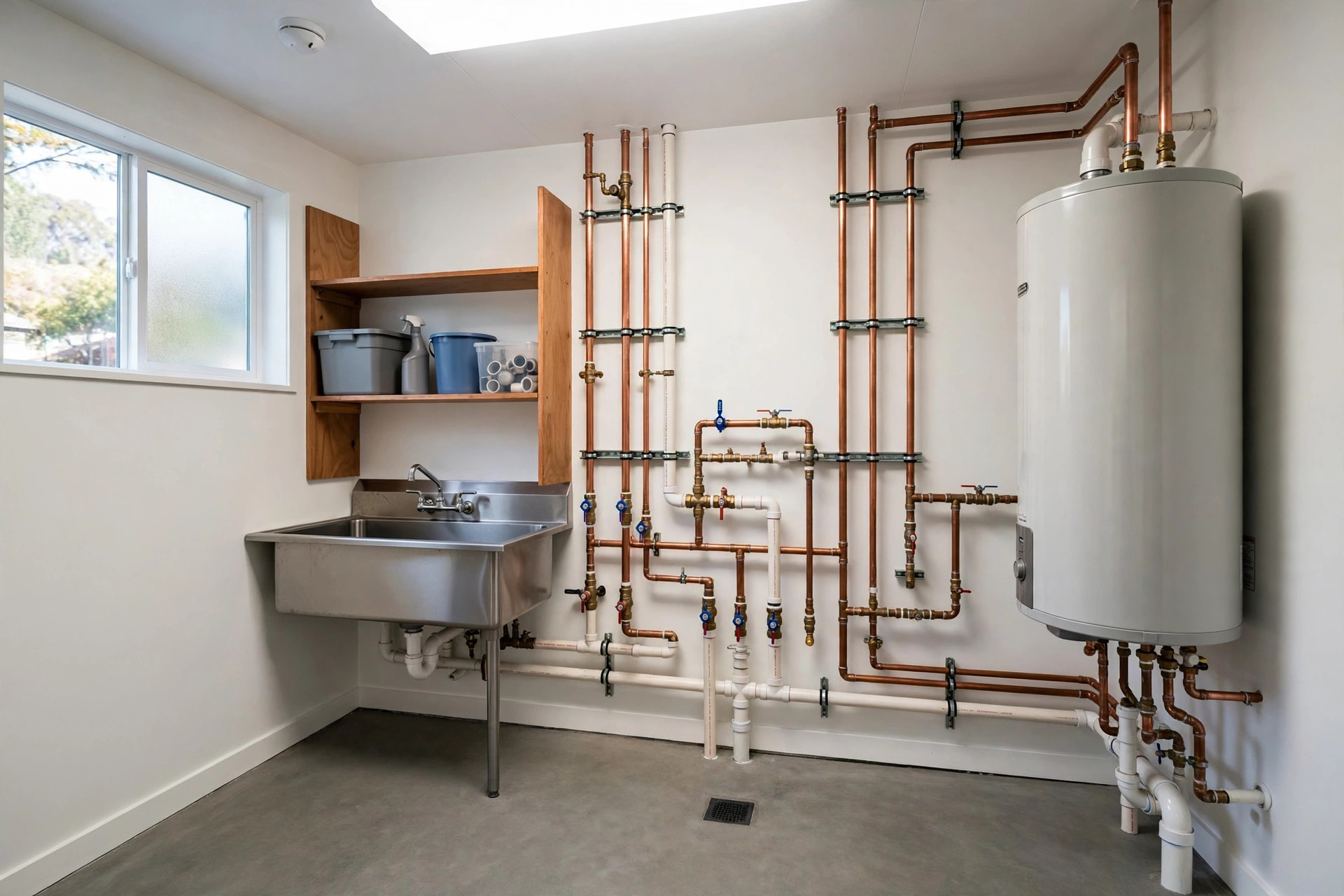
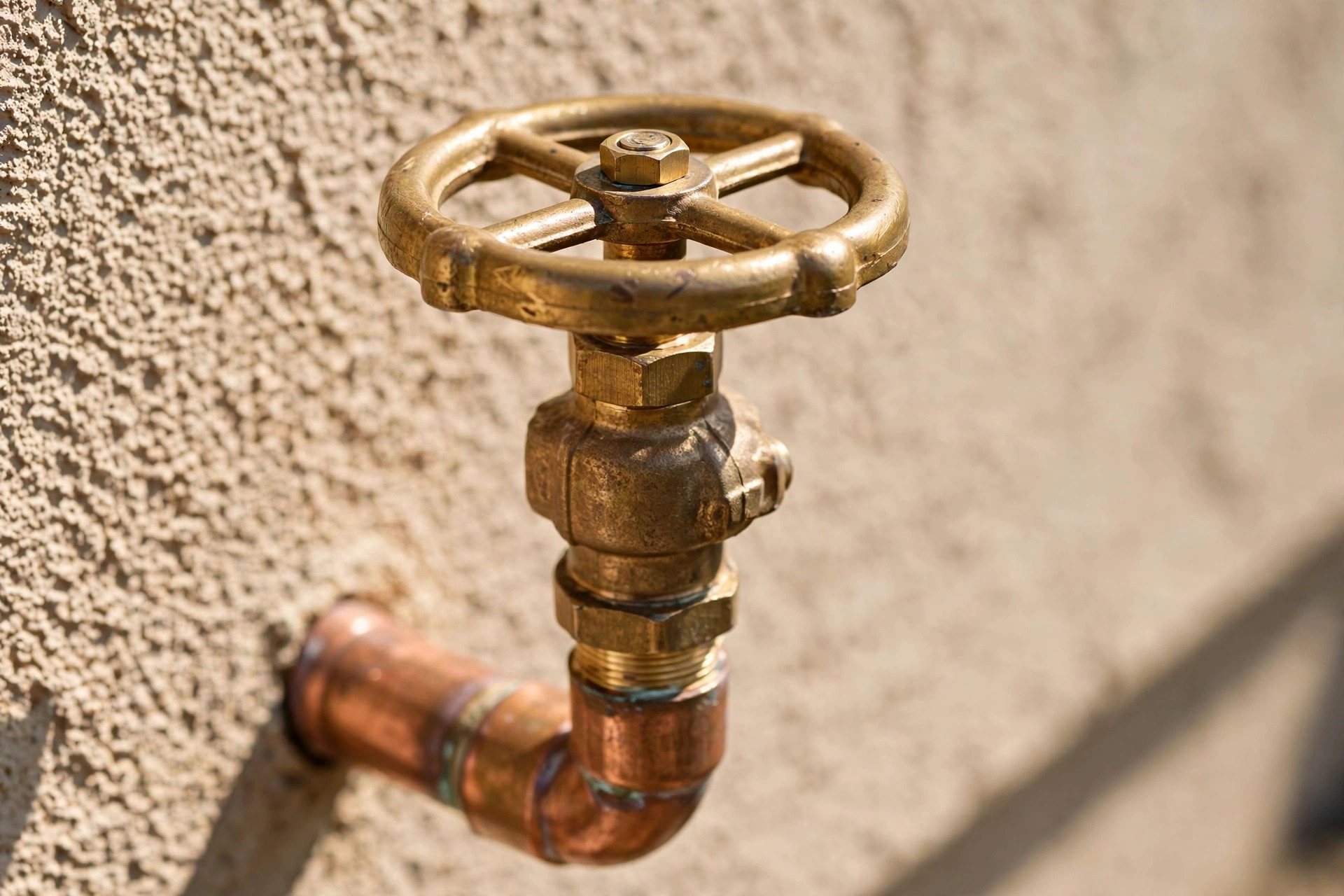
One more thing before we start: if you have never located your home’s main water shut-off valve, take two minutes to find it today, before you need it in a panic. In most Kyle homes it sits on an exterior wall near where the water line enters, in a covered box near the property line, or in the garage or utility area. Tag it with something bright so anyone in the household can find it fast.
Water Leak Emergency Steps: Your First Five Minutes
Every minute water keeps flowing is more damage spreading through floors, walls and belongings. Work through these in order:
- Shut off the water at the closest valve. If the leak is clearly coming from one fixture or appliance — a toilet, a washing machine, a sink — use that fixture’s own shut-off valve first. It is usually a small handle or knob on the pipe feeding the fixture; turn it clockwise until it stops.
- If the source is unclear, shut off the main valve. Go straight to your home’s main water shut-off and turn it clockwise until it stops completely. This cuts water to the entire house and buys you time no matter where the leak is. Then open a faucet at the lowest point in the house to drain pressure from the lines.
- Turn off the water heater. With the main water off, a water heater can be damaged if it keeps heating with no water flowing through it. For an electric unit, switch off its circuit breaker; for a gas unit, turn the gas supply to the pilot or off position. If you are unsure, leave the unit alone and mention it when help arrives.
- Cut power to wet areas — only if it is safe. Water and electricity are a dangerous combination. If water is near outlets, switches, appliances or the path to your breaker panel, do not wade through it. Only switch off breakers for the affected rooms if you can reach the panel without stepping through standing water.
- Call for professional help. Once the water is stopped and you are safe, call a professional. If water is actively flooding, sewage is involved, or the leak’s source is hidden inside walls or the slab, treat it as urgent — our emergency leak detection service in Kyle exists for exactly these moments.
Notice what is not on this list: diagnosing the leak. Following these water leak emergency steps in order matters more than doing any single one perfectly — resist the urge to play detective while water is still flowing. Stopping the water first is always the right call.
Stay Safe: Electricity, Slips and Contaminated Water
Safety comes before property. Never step into standing water that may be in contact with electrical outlets, appliances or wiring — electrocution is a real risk, and it is never worth it to save a rug. If you smell burning plastic, see sparks, or the water has reached your electrical panel, get out and call for help from a safe distance.
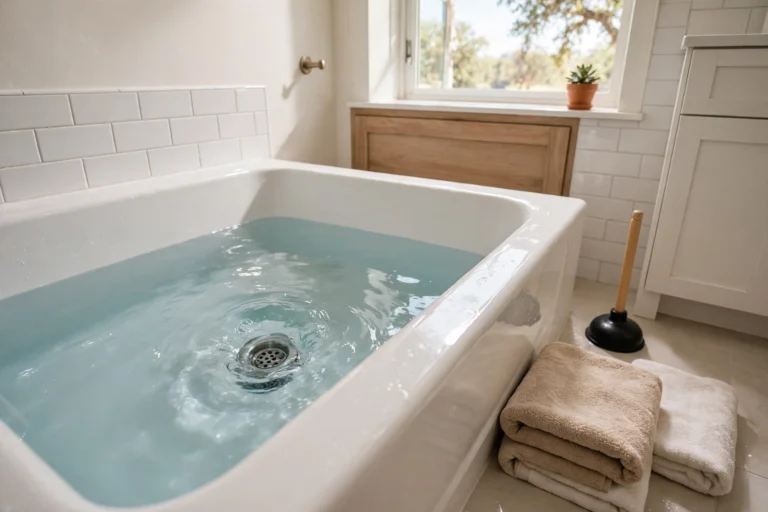
Wet floors are also a slip hazard, especially tile and sealed concrete. Move carefully, wear shoes with grip if you have them, and keep children and pets out of the affected area entirely. And if the water is coming from a drain, a toilet or anywhere that smells of sewage, treat it as contaminated: do not touch it with bare hands, and do not try to clean it up yourself beyond containing its spread.
For broader safety principles around water in the home, Ready.gov’s flood safety guidance covers what to avoid touching and how to protect your household during and after water intrusion — worth a read once the immediate emergency is handled.
Contain the Water and Protect Your Belongings
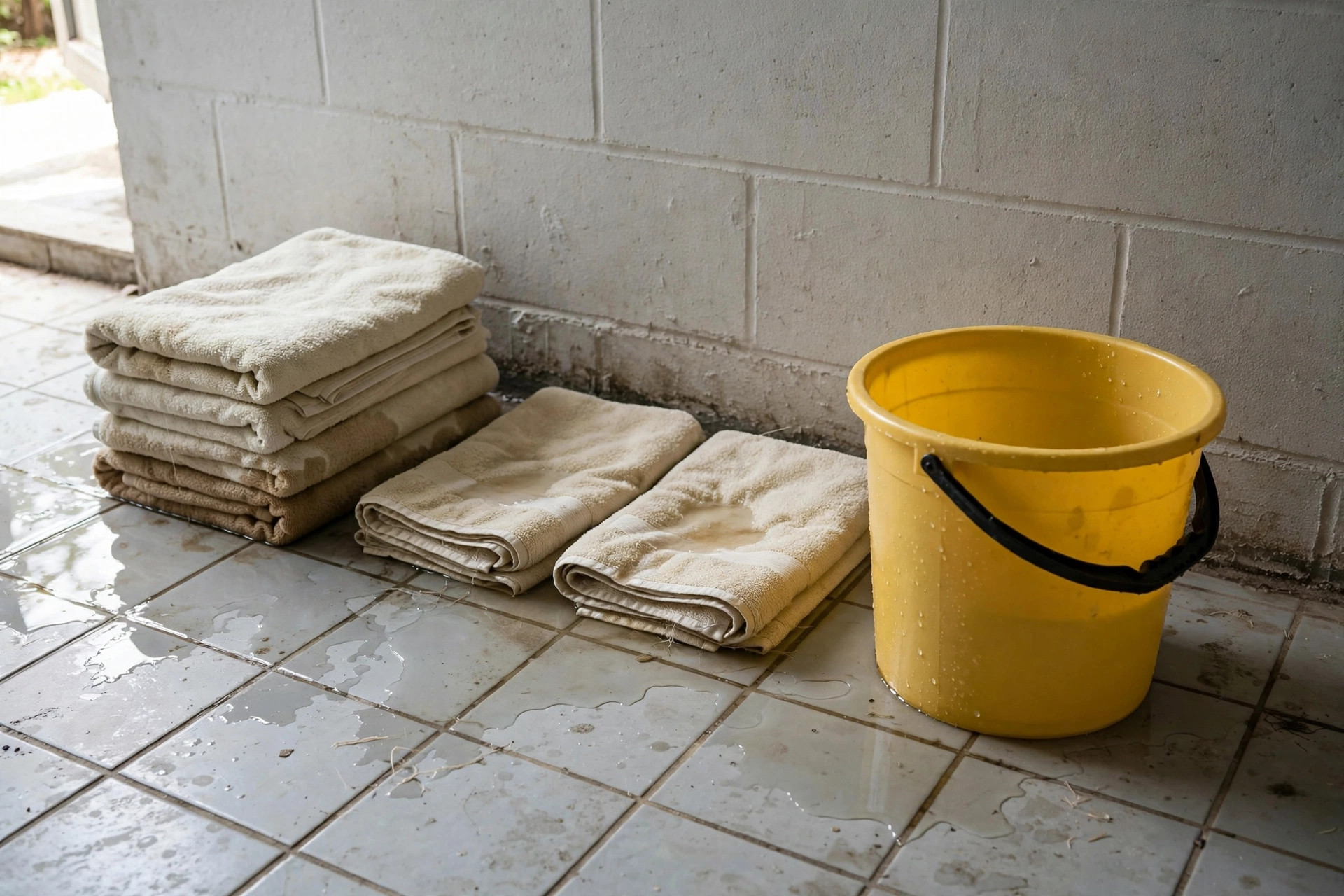
With the supply off and the area safe, your next job is damage control. Place buckets, pots or pans under active drips, and use towels or old blankets as dams at doorways to keep water from travelling into dry rooms. A wet-and-dry vacuum can pull up standing water from hard floors — never use a regular household vacuum, which creates an electrocution hazard.
Move what you can out of harm’s way: rugs, electronics, paperwork, boxes stored on the floor, and anything that stains or swells when wet. For furniture too heavy to move, slide foil or plastic underneath the legs to keep them off the wet surface. Pull curtains and fabric items up and away from damp floors.
Then start drying what you can. Open windows if the outdoor air is drier than indoors, aim fans across wet surfaces, and run a dehumidifier if you have one. Fast drying is your best defence against the mould growth that so often follows a leak — even materials that look fine can harbour moisture for days.
Document Everything for Insurance
Before you move or clean too much, take photos and video of the leak, the water’s path and everything it touched. Capture wide shots of each affected room and close-ups of damaged items, and do not forget the source area if you can see it. This documentation makes insurance claims and repair estimates faster and far less disputed.
Keep a simple written timeline too: when you discovered the leak, when you shut the water off, who you called and when. Note anything you threw away because it was ruined. If the water came from a hidden pipe or an appliance failure, that detail matters to insurers — our guide on whether insurance covers leak detection explains what homeowners policies typically do and do not cover.
Know Which Leaks Count as Emergencies
Not every leak needs a midnight call-out, and knowing the difference saves stress:
- Call immediately: burst pipes, active flooding, sewage backup, water pouring through ceilings, water near electrical systems, or no way to stop the flow.
- Can usually wait for business hours: a slow drip under a sink you have contained with a bucket, a running toilet you have shut off at the valve, a small isolated damp patch with the water supply stopped.
- When in doubt, call. If you are unsure whether a leak is serious, a quick call to a professional costs nothing and can prevent a small problem from becoming a large one. Describe what you see — where the water is, whether it is still flowing, and what you have already shut off.
After the Emergency: Finding the Real Source
Stopping the water is triage, not treatment. Once the immediate crisis is over, the underlying fault still needs to be found and fixed — and with hidden leaks, the visible damage is rarely the whole story. Water travels along pipes, framing and slab edges, so the spot where it appeared can be metres from where it started.
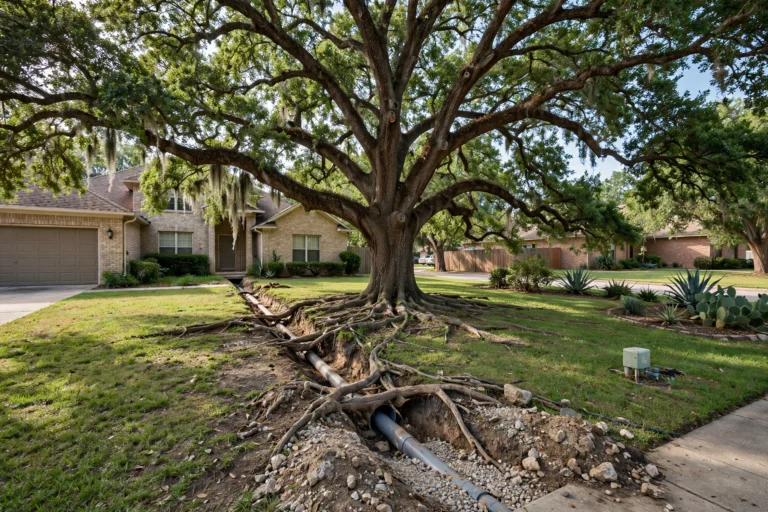
This is where professional leak detection earns its keep. Rather than opening walls or digging on a hunch, a methodical diagnosis traces the water back to its true origin first, so the repair is targeted and the disruption stays small. If your emergency involved a leak you could not see or locate, getting that precise answer is the difference between fixing it once and fixing it twice.
Prevent the Next Emergency
Once you have lived through one water emergency, prevention suddenly feels very worthwhile. Learn where every shut-off valve in your home is — fixture valves, the main valve, the water heater valve — and make sure everyone in the household knows too. Check supply hoses on washing machines and dishwashers for cracking or bulging, and glance under sinks now and then for the first hint of dampness.
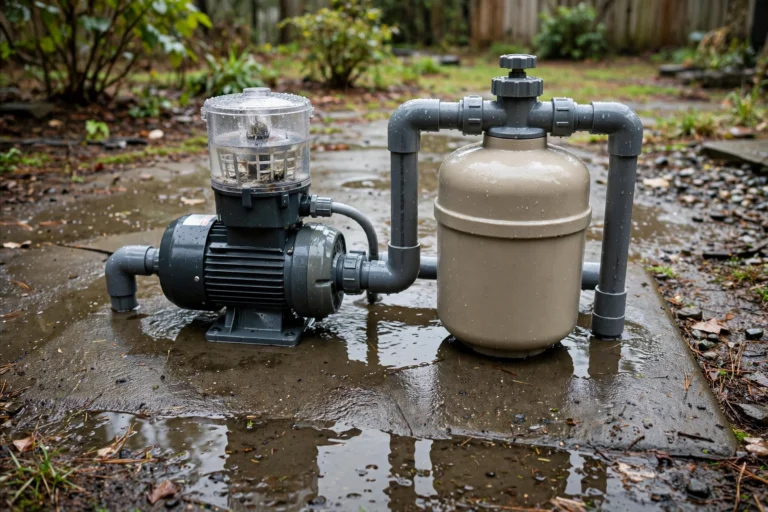
Technology can help as well. Smart water monitors and automatic shut-off devices watch your plumbing around the clock and can alert you — or even stop the water — when something goes wrong while you are away. Our guide to smart water monitors for Kyle homes explains how they work and what to consider. And if you want a direct line for the next emergency, save our contact page alongside the number below.
Save This Number Before You Need It
Keep these water leak emergency steps somewhere the whole household can find them — and if you have found a water leak in your Kyle home right now, follow the sequence above, then call Kyle Leak Detection Pros at (512) 729-5265. We will help you find the true source of the leak fast, so the repair can start with certainty instead of guesswork.