5 Signs of a Hidden Water Leak in Your Kyle, TX Home
Looking for Signs Of Hidden Water Leak? Most leaks don’t announce themselves with a puddle. They hide inside walls, under slabs, and behind appliances — quietly damaging your home while the water bill climbs. In Kyle, where expansive clay soil stresses buried pipes and summer heat pushes plumbing systems hard, knowing the early signs of…
Looking for Signs Of Hidden Water Leak? Most leaks don’t announce themselves with a puddle. They hide inside walls, under slabs, and behind appliances — quietly damaging your home while the water bill climbs. In Kyle, where expansive clay soil stresses buried pipes and summer heat pushes plumbing systems hard, knowing the early signs of a hidden water leak is the difference between a quick detection visit and a major repair. EPA WaterSense
This post is a quick homeowner checklist: the five signs to watch for, what each one means, and what to do about it. For a deeper explanation of how each sign forms and what detection involves, see our full guide on signs of a hidden water leak.
Signs Of Hidden Water Leak: 1. Your water bill keeps climbing
This is the number-one early warning. If your bill has risen for two or three months in a row with no change in household habits — no new occupants, no new irrigation schedule, no filled pool — water is going somewhere you can’t see. If you need Signs Of Hidden Water Leak, calling early usually saves money compared to waiting.
Pull up your last six months of bills and compare the same months year over year, not month to month (summer watering naturally raises usage). A sustained increase is a leak until proven otherwise. The simplest confirmation: turn everything off, note the meter reading, wait 20 minutes, and read it again. Movement means a leak. Our post on water bills and hidden leaks in Kyle walks through this check step by step.
2. Warm spots on the floor
A hot-water line leaking under your slab heats the concrete above it. Walk barefoot across tile or laminate rooms — if one patch feels noticeably warm while the rest is cool, treat it as a slab-leak symptom. For Signs Of Hidden Water Leak, the first step is always understanding your symptoms.
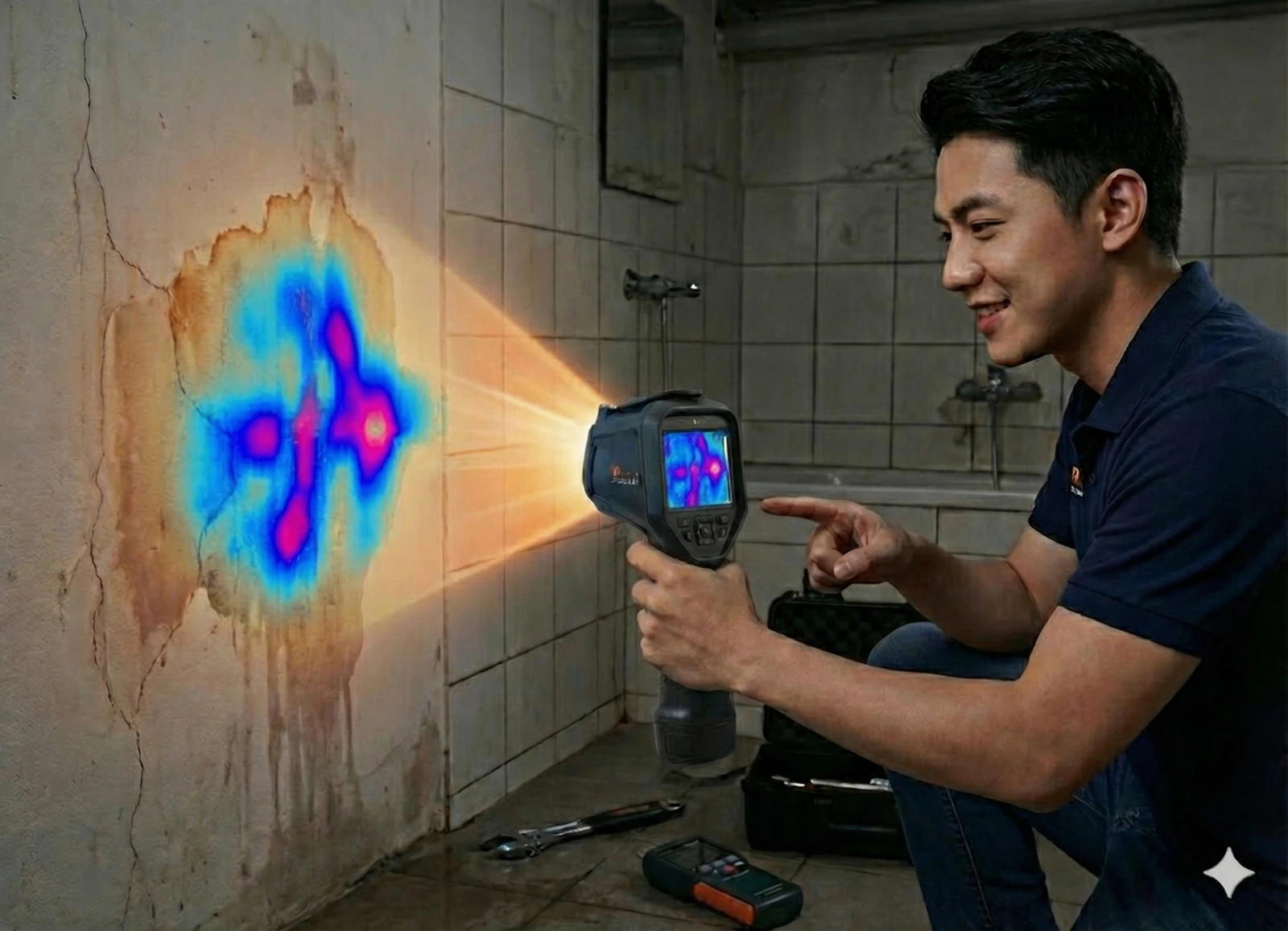
Sunlight through a window can warm tile too, so test at night or on a cloudy day. If the warm spot is localized and persistent, it’s worth investigating. See our page on slab leak detection in Kyle for what this type of leak involves and how we pinpoint it.
3. Musty or mouldy smells with no visible source
That damp, earthy smell in a hallway, closet, or bathroom — the one that doesn’t go away after cleaning — is often water trapped inside a wall cavity or under flooring. Mould needs moisture to grow; if you can smell it but can’t see it, moisture is getting in from somewhere hidden. Questions about Signs Of Hidden Water Leak? The sections above cover the most common ones.
Check the usual suspects first: under-sink cabinets, around toilet bases, behind the washing machine. If the smell persists and there’s no visible source, the leak is behind a surface — and finding it needs professional detection, not guesswork.
4. Damp spots, stains, or bubbling paint
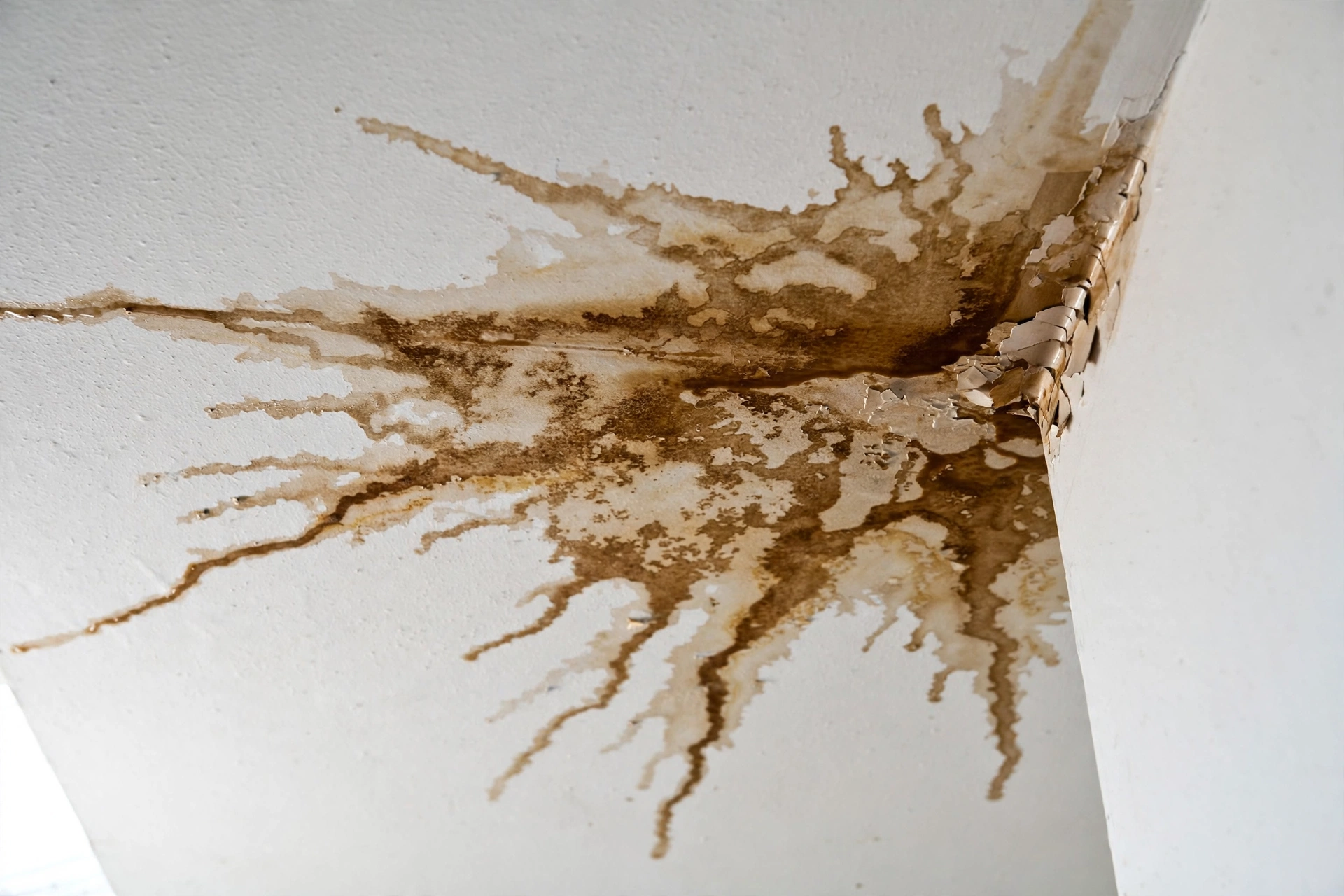
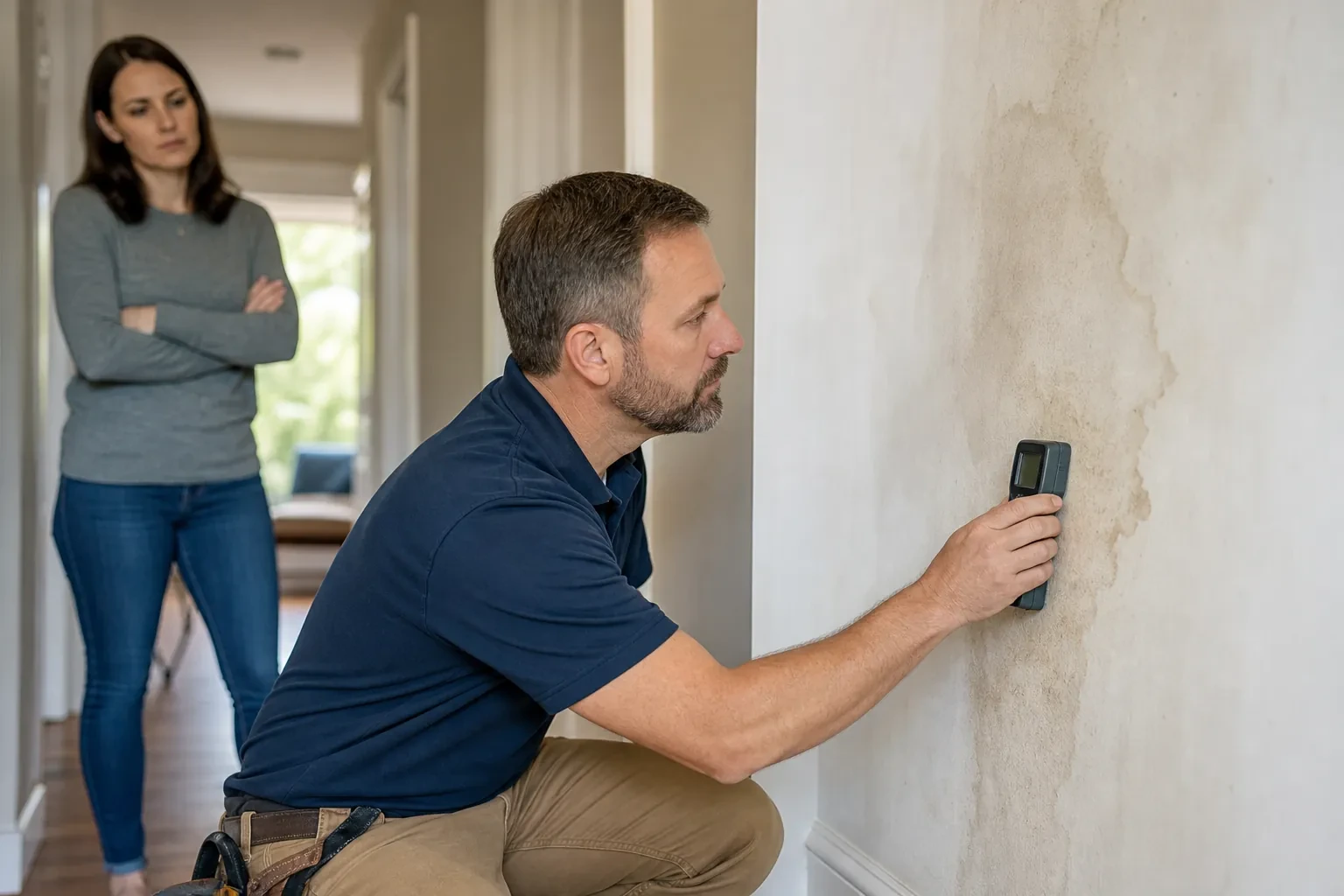
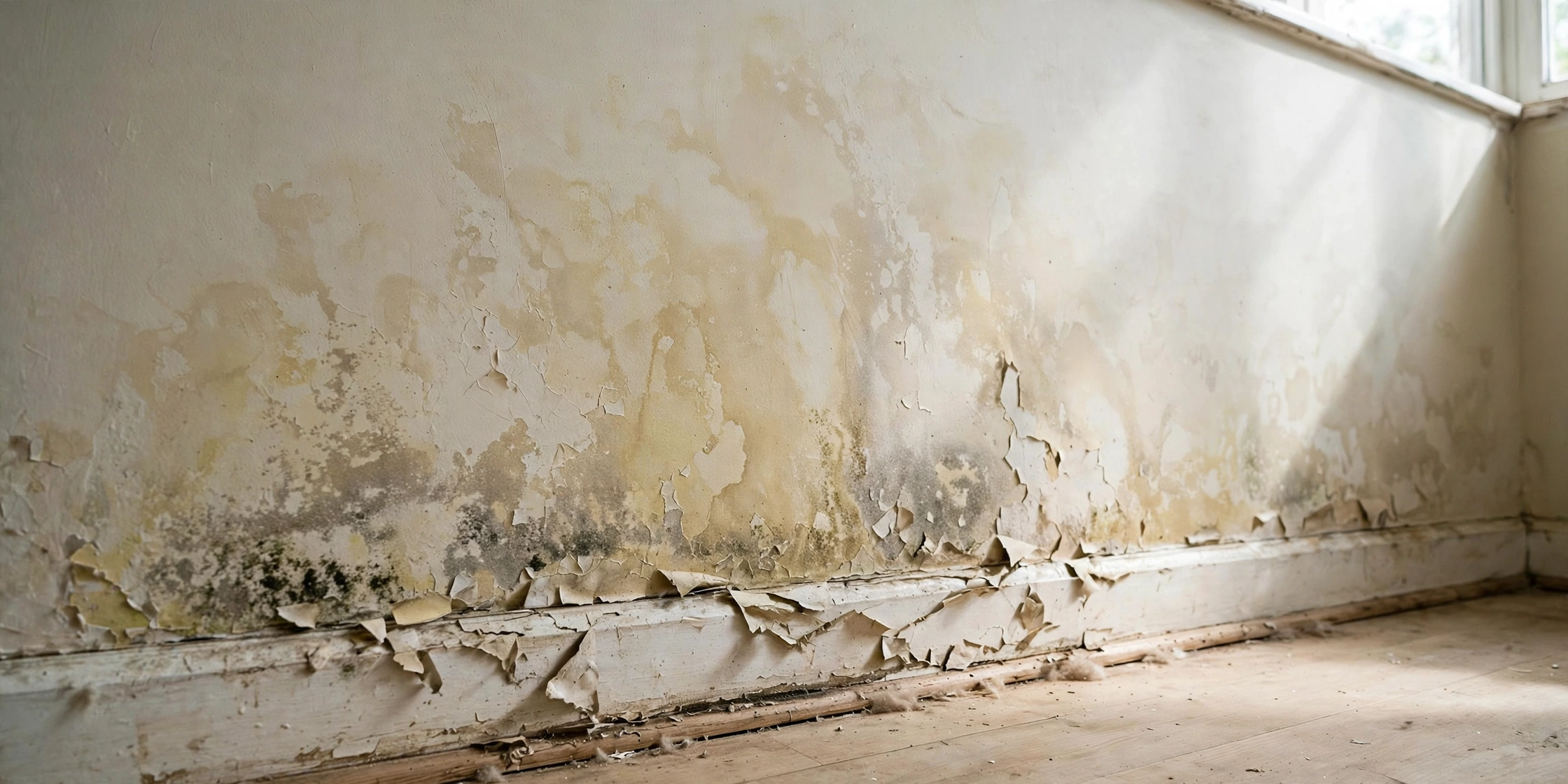
Yellow-brown rings on ceilings, paint that’s bubbling or peeling, wallpaper lifting at the seams, or a patch of carpet that never quite dries — all of these say water is moving through building materials. Note which direction the stain grows after rain versus after heavy indoor water use: rain-linked stains point at the roof, while stains that grow regardless of weather point at plumbing.
Small stains become big problems fast. Water wicks outward through drywall and insulation, so the visible stain is usually much smaller than the affected area.
5. The sound of running water when everything is off
Late at night, with the house quiet and every fixture off, press your ear to the wall near bathrooms or the water heater. A faint hissing or rushing sound means pressurised water may be escaping a pipe somewhere.
This is one of the most reliable DIY checks for a water line leak. If you hear it consistently, don’t wait — a pressurised leak that runs for weeks can erode soil, feed mould, or damage the structure around it.
Do a 10-minute home sweep
The five signs above work best when you check them together. Once a month — or the moment your bill surprises you — do this quick walkthrough:
- Read the meter. Everything off, irrigation controller fully off, note the reading, wait 15–20 minutes, read again. Any movement means water is flowing somewhere it shouldn’t.
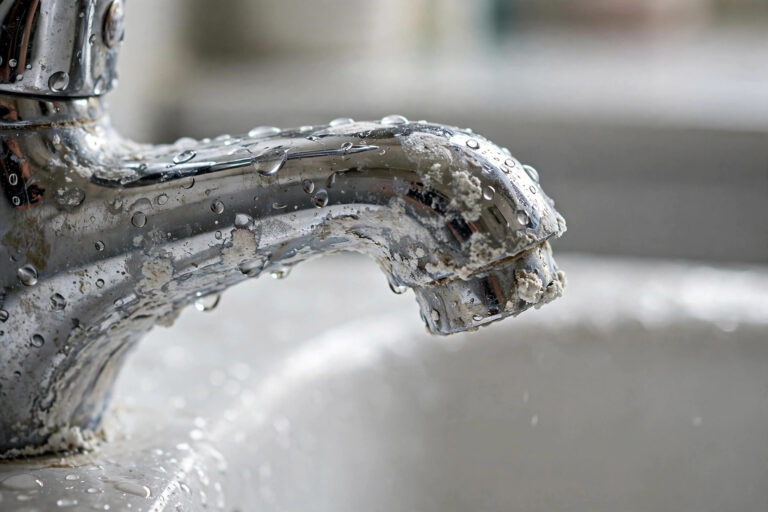
- Walk the wet areas. Under every sink, around each toilet base, behind the washing machine, and near the water heater. Run your hand along supply lines and look for moisture, staining, or white mineral crust.
- Check the floors and walls. Barefoot-walk tile rooms for warm patches, scan ceilings and upper walls for fresh stains, and note any paint that’s bubbling or wallpaper that’s lifting.
- Listen tonight. With the house quiet and everything off, listen near bathrooms and the water heater for hissing or rushing water.
- Smell check. Open closets and bathrooms you don’t use often. A musty smell in a room with no visible dampness deserves a second look.
Ten minutes, no tools, and you’ll either rule out a leak or have solid observations to describe when you call.
What to write down before you call
If one or more signs check out, a few notes make the call far more productive:
- Bill history: when the bill changed and roughly how much it rose.
- Sign locations: which room, which wall or floor area — photos help.
- Timing: when you first noticed each sign, and whether anything changed recently (new landscaping, a freeze, a storm).
- Home details: your home’s age, water heater age, and whether you’ve had plumbing repairs before.
The provider uses your observations to narrow the search. See how leak detection works for a plain-English overview of what happens after you call.
When one sign becomes urgent
Two or more signs together mean it’s time for professional detection — not a wait-and-see approach. And some situations shouldn’t wait for a checklist at all: visible flooding, a sudden drop in water pressure across the house, a stain that’s spreading by the hour, or water pooling where it shouldn’t. For those, see our emergency leak detection page and call (512) 729-5265 to discuss your situation.
Suspect a hidden leak? Call (512) 729-5265 to discuss your situation. Two or more signs together mean it’s time for professional detection — not a wait-and-see approach. See our leak detection cost guide for Kyle for what affects pricing.
Frequently Asked Questions
More Questions About Hidden Leaks
Can a hidden water leak fix itself?
No. Pressurised plumbing leaks don’t seal on their own, and the damage they cause — to drywall, flooring, framing, and foundations — only accumulates while they run. If your checks point to a leak, the next step is detection, not waiting.
Should I call a plumber or a leak detection service first?
If you know where the leak is — a dripping faucet, a cracked toilet tank — call a plumber directly. If you have signs but no visible source, detection comes first: finding the leak’s location before repair work starts avoids unnecessary demolition and exploratory digging.
My bill is high but the meter test showed no movement — what next?
First, re-check the test conditions: irrigation controllers must be fully off (not just rain-delayed), and ice makers and softeners must not cycle during the test. If the test was clean, look for usage changes — a running toilet, a pool autofill left on, or seasonal watering. Our high water bill guide covers this in detail.
Can a slab leak damage my foundation?
A slab leak means water is escaping under or within your concrete foundation, and Kyle’s expansive clay soil is sensitive to moisture changes. That’s exactly why a warm floor spot or an unexplained bill increase deserves prompt attention — early detection gives you the most repair options.