
Waiting for Your Leak Detection Appointment? What to Do (and Not Do) Meanwhile
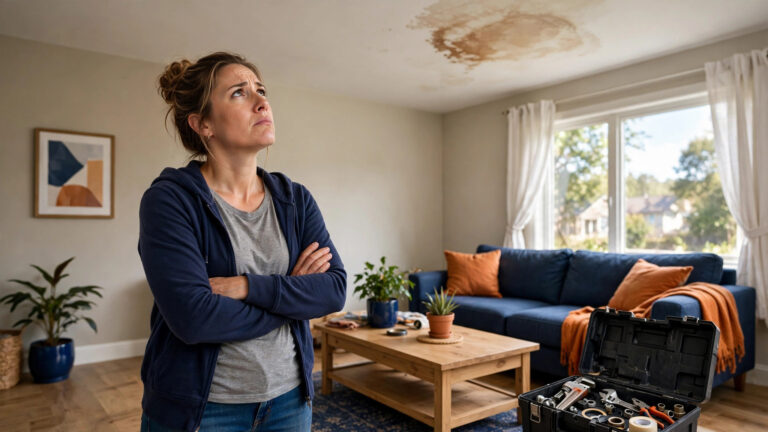
You’ve booked a leak detection appointment in Kyle, but the visit is still hours — or a day or two — away. That waiting window can feel worse than the leak itself. Every drip, every new damp spot, every climb on the water bill makes you wonder what is happening behind your walls. The good…
You’ve booked a leak detection appointment in Kyle, but the visit is still hours — or a day or two — away. That waiting window can feel worse than the leak itself. Every drip, every new damp spot, every climb on the water bill makes you wonder what is happening behind your walls.
The good news: there is plenty you can do right now to protect your home, limit damage, and make your upcoming leak detection appointment as productive as possible. None of it requires special tools or plumbing experience — just a calm plan. (If water is actively flooding your home, don’t wait for anything: call (512) 729-5265 and see our emergency leak detection page.)

1. Know Where Your Main Water Shutoff Valve Is — and When to Use It
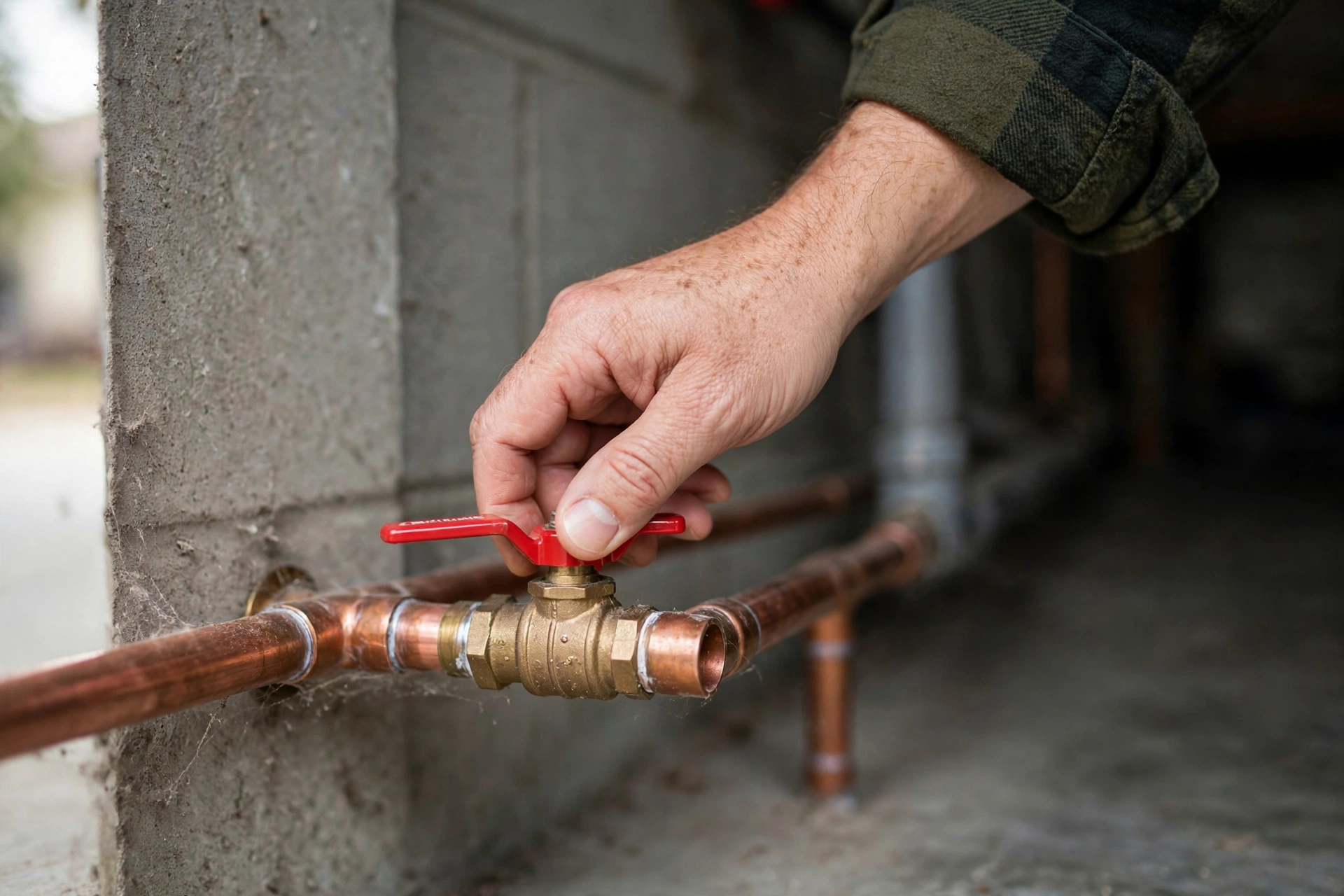
The single most useful thing you can do before a leak detection appointment is learn the location of your main water shutoff valve. In most Kyle homes it sits in the garage, near the water heater, or in a utility closet where the water line enters the house. Go find it now, while things are calm — not at midnight when a pipe is spraying.
Try turning it gently so you know it works. Older valves can stick, and discovering that during an emergency is the worst possible moment. If it won’t budge with light pressure, leave it alone and make a note for the technician.
When should you actually shut the water off? If water is spreading across floors, if a ceiling is bulging, or if your meter is spinning fast with everything off, shutting off the main stops the damage clock. For a slow, contained drip, you can usually leave the water on and move to the steps below. If your meter seems to move on its own, read our guide on why your water meter moves when everything is off.
2. Document Everything With Photos and Video
Before you touch anything, grab your phone and document the scene. Photograph every stain, drip, damp patch, and puddle from a couple of angles. Take a short video of any active dripping with sound — a slow drip caught on video tells a technician more than a verbal description ever could.
Also photograph your water meter reading today and again closer to your appointment. Those two readings show whether water use is climbing and give the technician a useful baseline. For a refresher on reading your meter correctly, see how to check your water meter for a leak.
Write down when you first noticed each sign and whether anything changed recently — a higher bill, a running toilet, new landscaping work, a pressure change. Notes like these are gold during a leak detection appointment because they point the technician toward the right part of your system first.
3. Limit Water Use and Contain What You Can
While you wait, use water sparingly. Skip the dishwasher and laundry loads, keep showers short, and don’t run sprinklers. Every gallon you avoid sending through the pipes is one less gallon that can feed the leak. If you suspect a hot-water-line leak (warm spots on the floor, hot water running out fast), cut back on hot water use in particular.
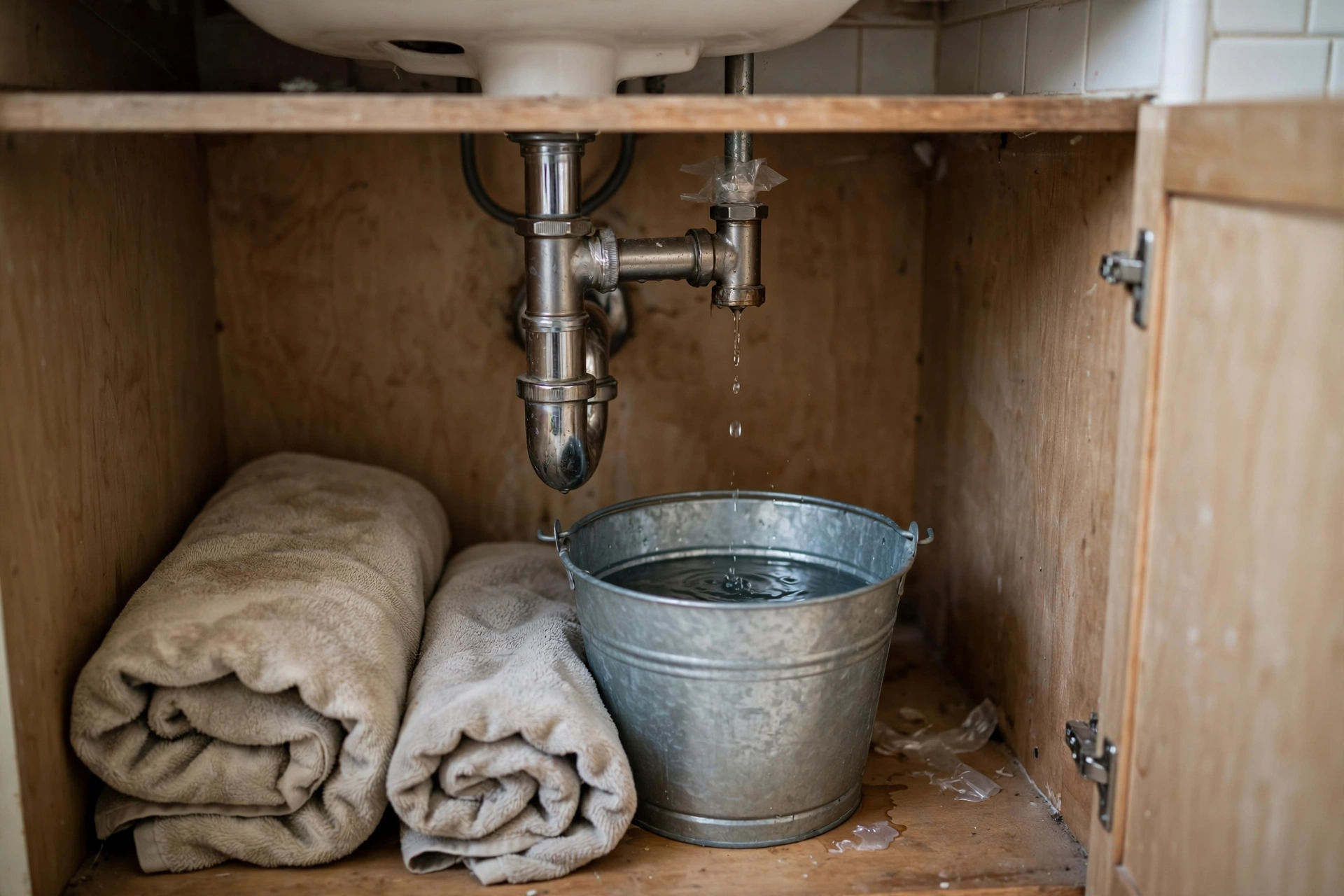
For visible drips, simple containment works fine: slide a bucket or large bowl under the drip, lay towels around it, and swap them out before they soak through. Move the water carefully — wringing a soaked towel over a wood floor just spreads the problem. Check the containment a couple of times a day and empty the bucket so it doesn’t overflow overnight.
If water is collecting in a carpet or rug, prop the area up so air can circulate underneath. The EPA’s WaterSense program notes that small household leaks can waste far more water than people expect, so limiting use while you wait genuinely matters — for your floors and your bill.
4. Move Valuables and Furniture Out of the Suspected Area
Water damage spreads quietly. Pull rugs, electronics, important papers, photo albums, and anything that can’t survive a soaking away from the area where you’ve seen signs. In closets and cabinets near the suspected leak, move stored items to higher shelves.
If furniture legs are sitting on damp carpet, slide small blocks or foil-wrapped coasters under them to keep wood and upholstery off the wet surface. This is a five-minute job that can save a couch. Leave anything heavy and immobile — that’s what the technician’s equipment and experience are for once your leak detection appointment begins.
5. Prepare Your Home for the Technician’s Visit
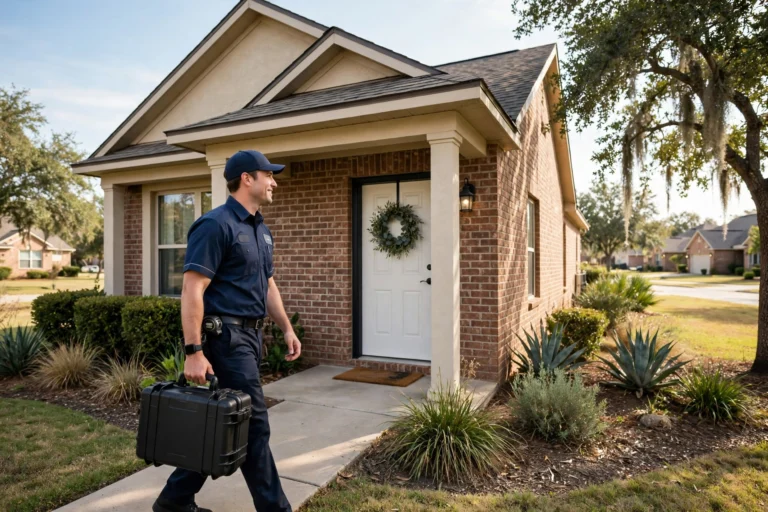
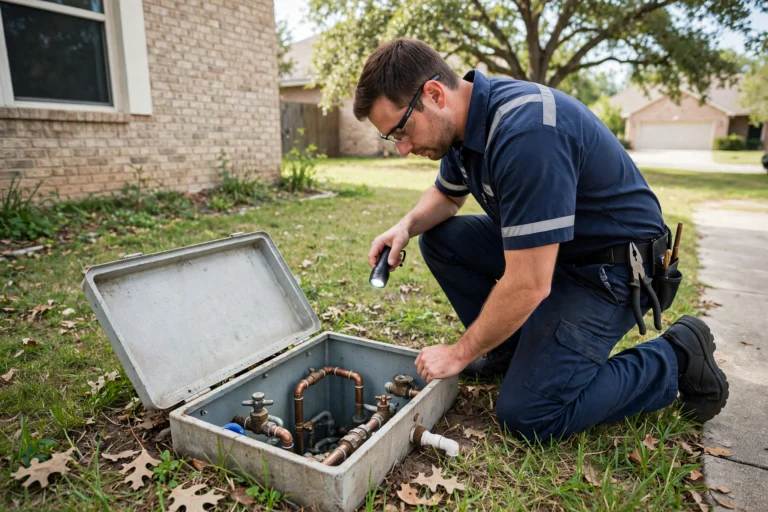
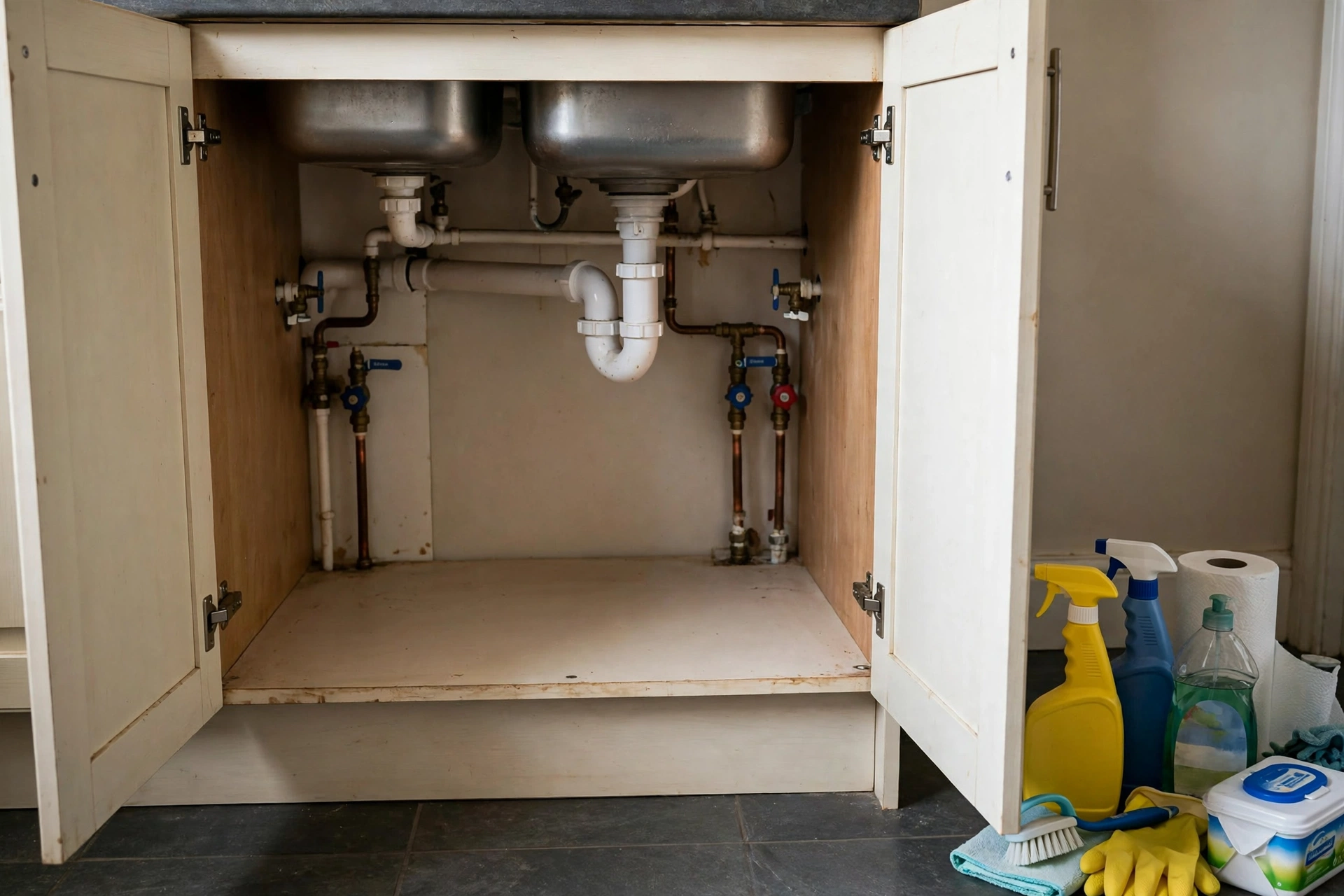
A little preparation makes the appointment faster and more accurate. Clear access to the places a technician will need to reach: under kitchen and bathroom sinks, around the water heater, the water meter box outside, and any access panels. You don’t need to empty rooms — just move cleaning supplies, stored boxes, and clutter out of the way so nobody has to work around them.
If you have pets, plan to keep them in a separate room during the visit. Technicians will open cabinets, move through rooms with equipment, and may need quiet to listen for leak sounds — a curious dog underfoot slows everything down.
Gather anything useful for the visit: your photo documentation, the two meter readings, your notes about when signs appeared, and any recent water bills. If you know where your main shutoff is (step 1), great — the technician will appreciate not having to hunt for it. To know exactly what happens once they arrive, read what happens during a leak detection visit, and for a realistic sense of timing, see how long leak detection takes.
6. What NOT to Do While You Wait for Your Leak Detection Appointment
The waiting period tempts people into actions that make things worse. Avoid these mistakes:
Don’t tear open walls or floors yourself. Cutting into drywall or pulling up flooring without knowing where the leak is creates expensive repairs on top of the original problem — and it can disturb insulation, wiring, or pipes you didn’t know were there. Locating the leak precisely is the entire point of the visit.
Don’t accept a repair quote for a leak nobody has located yet. A repair estimate made before anyone knows the leak’s location is guesswork. The right sequence is always locate first, then price the repair. If you’re wondering what the diagnostic visit itself involves cost-wise, read our explanation of the leak detection diagnostic fee.
Don’t ignore it if things get worse. Waiting is fine for a stable, contained situation — it is not fine if the leak accelerates, a ceiling starts to sag, or water reaches electrical outlets. If conditions change before your appointment, call (512) 729-5265 right away and ask about the soonest availability or emergency service. Never touch an outlet, switch, or appliance that water has reached — leave that area alone until it’s checked.
Don’t pour chemical sealants into your pipes. Over-the-counter “leak seal” products marketed for plumbing rarely fix real leaks and can complicate the actual repair later. They also make it harder for a technician to get clean readings.
Frequently Asked Questions About Your Leak Detection Appointment
These are the questions Kyle homeowners ask most while waiting for a leak detection appointment:
Should I turn off my water completely before the leak detection appointment?
Usually not, unless water is spreading or a ceiling is bulging. Leaving the water on can actually help, because many detection methods work by tracing active water flow and pressure. If the leak is contained and stable, keep the water on, limit your use, and let the technician see the system in its normal state.
How long will I have to wait for an appointment?
It depends on the season, the day of the week, and how urgent the situation is. The best move is to call and ask about the soonest availability rather than guessing from a website. While you wait, the steps above — shutoff location, documentation, containment — keep you in control of the situation.
Can I still use water while waiting?
Yes, but use it sparingly. Avoid running dishwashers, washing machines, and sprinklers, and keep showers short. The goal is to avoid feeding the leak more water than necessary while still living your life. If the water is shut off because of an active problem, obviously don’t turn it back on to “test” things.
Should I call my insurance company before the visit?
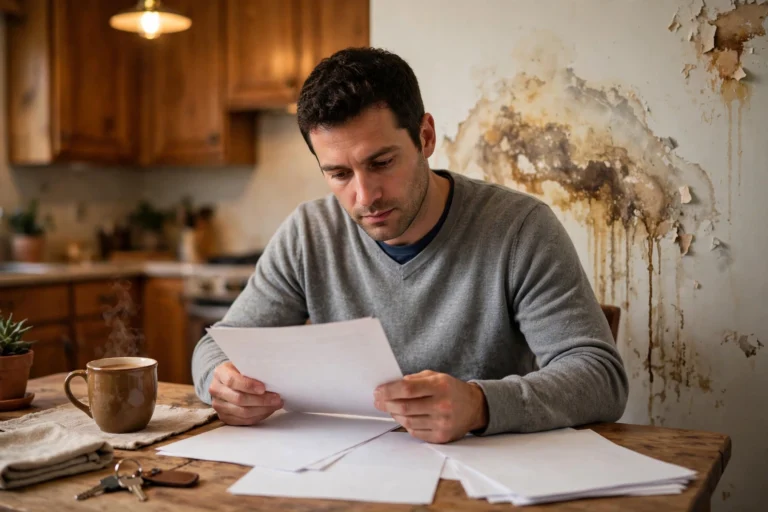
It doesn’t hurt to review your homeowner’s policy so you know what it says about sudden water damage versus gradual leaks. You don’t need to file a claim before the appointment, but having your policy number and your documentation photos ready will make any later conversation much smoother.
What if the leak gets worse before the appointment?
Move to containment mode: shut off the main water valve if water is spreading, protect valuables, and call (512) 729-5265 to ask about the soonest availability. If there is standing water near outlets or your electrical panel, stay out of that area and treat it as an emergency.
Do I need to be home for the leak detection appointment?
Yes — someone 18 or older should be there. The technician needs access to every part of the house, may need to ask you questions about what you’ve noticed, and will want to walk you through the findings before leaving. Your notes and photos from the waiting period will be genuinely useful during this walkthrough.
Use the Waiting Time Well — Then Call Kyle Leak Detection Pros
The hours before your visit don’t have to be anxious ones. Find your shutoff valve, document everything, contain the drip, move your valuables, and clear access for the technician. Those five steps protect your home and make your leak detection appointment faster and more accurate.
If you haven’t booked yet, or if the situation has changed since you booked, call (512) 729-5265 to ask about the soonest availability. Kyle Leak Detection Pros serves Kyle and the surrounding Hays County area, and we’ll help you figure out the right next step — whether that’s a standard appointment or urgent help right now.