Leak Detection vs Leak Repair: What’s the Difference?
“We found water, but we can’t tell where it’s coming from.” If a plumber has ever said something like that to you, you have already met the gap between leak detection and leak repair — two different services, two different skill sets, and confusing the two is one of the most expensive mistakes a homeowner…
“We found water, but we can’t tell where it’s coming from.” If a plumber has ever said something like that to you, you have already met the gap between leak detection and leak repair — two different services, two different skill sets, and confusing the two is one of the most expensive mistakes a homeowner can make.
It works like this: detection is the diagnosis, repair is the cure. One answers “where exactly is the leak and what is causing it?” The other answers “how do we fix it?” They sound like two halves of one job, and sometimes they are handled by the same company — but they are not the same thing, they are not priced the same way, and you should never pay for the second before you have the first.
This guide explains what each service actually covers, why diagnosis has to come before repair, when you need both, and how to make sure you are paying for answers — not guesswork.
What Leak Detection Is
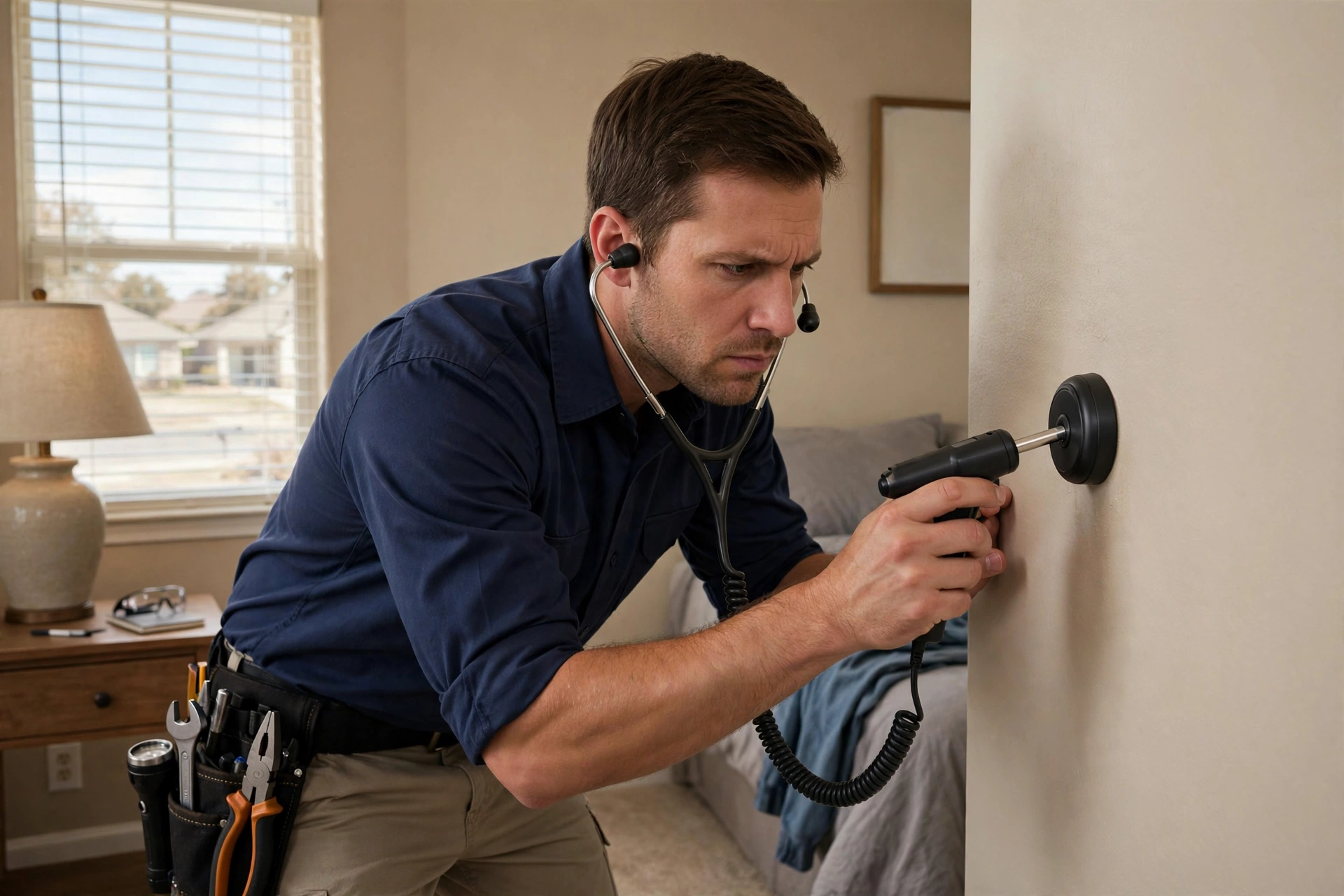
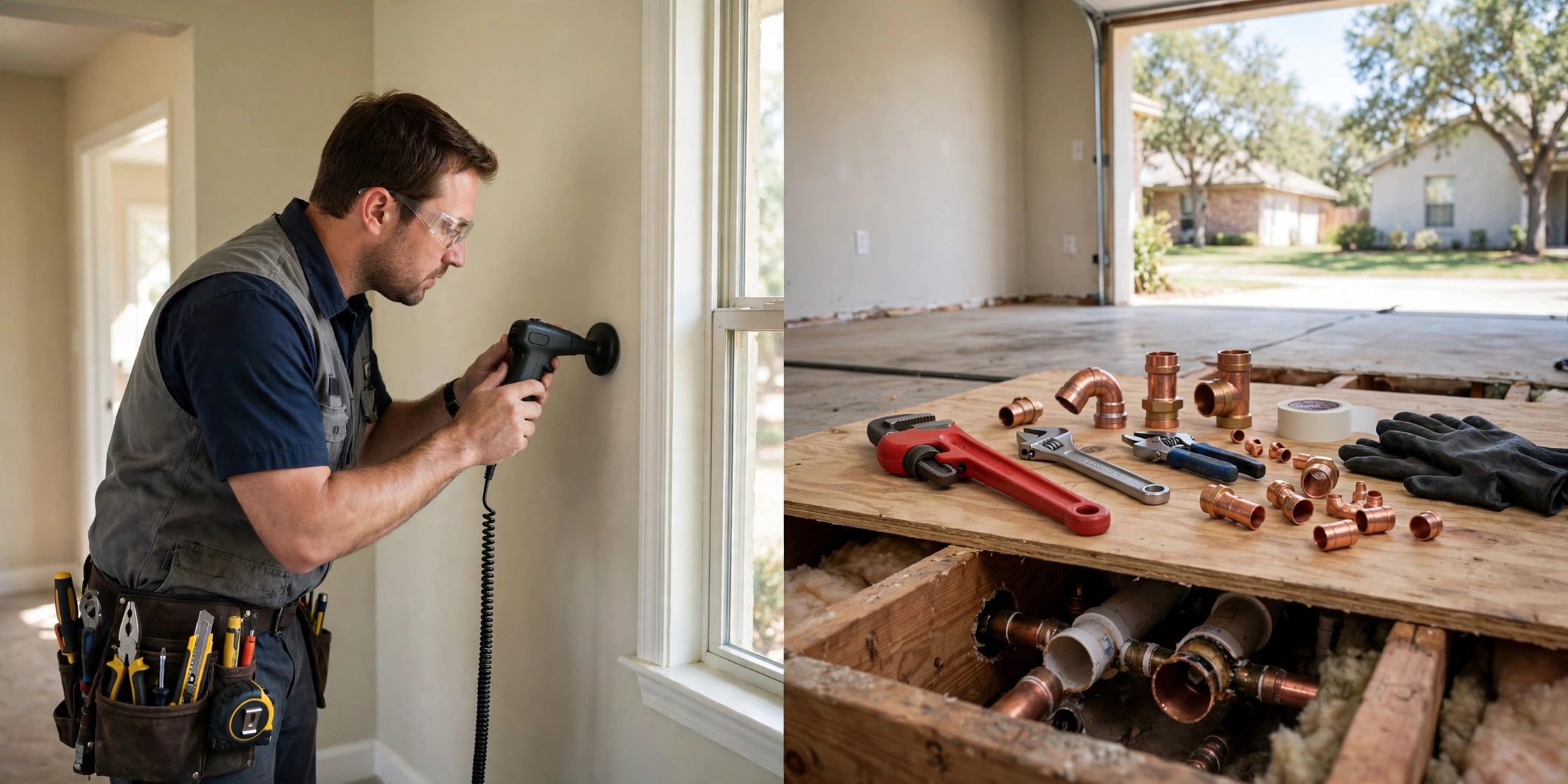
Leak detection is the investigation. A detection specialist’s job is to find the exact source of a leak — which pipe, which joint, which spot — and to document it clearly enough that a repair can be planned with confidence. Nothing gets fixed during a detection visit. No walls are opened for repair, no pipes are replaced. The deliverable is knowledge: here is the leak, here is the proof, here is what needs to happen next.
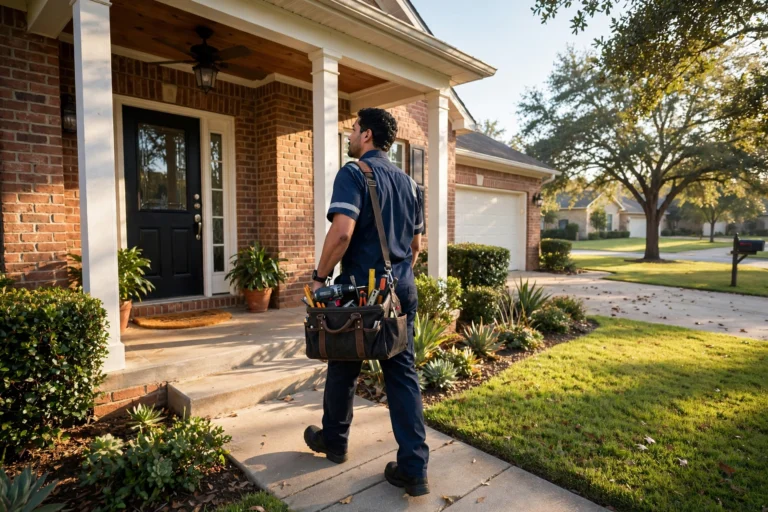
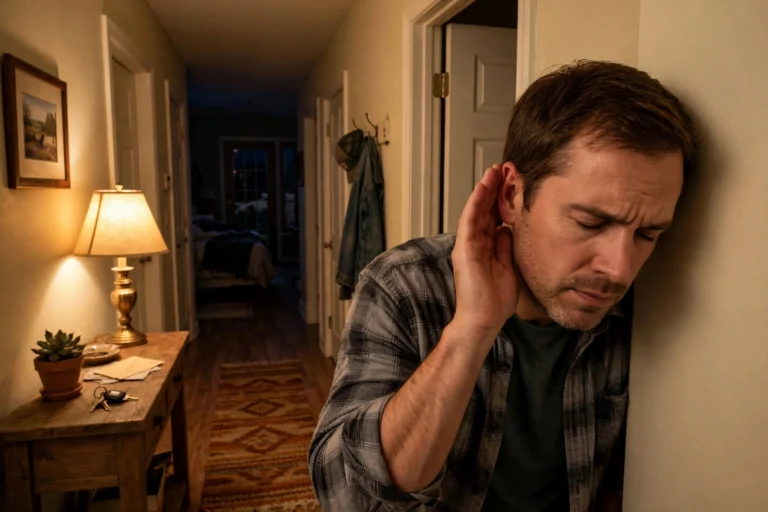
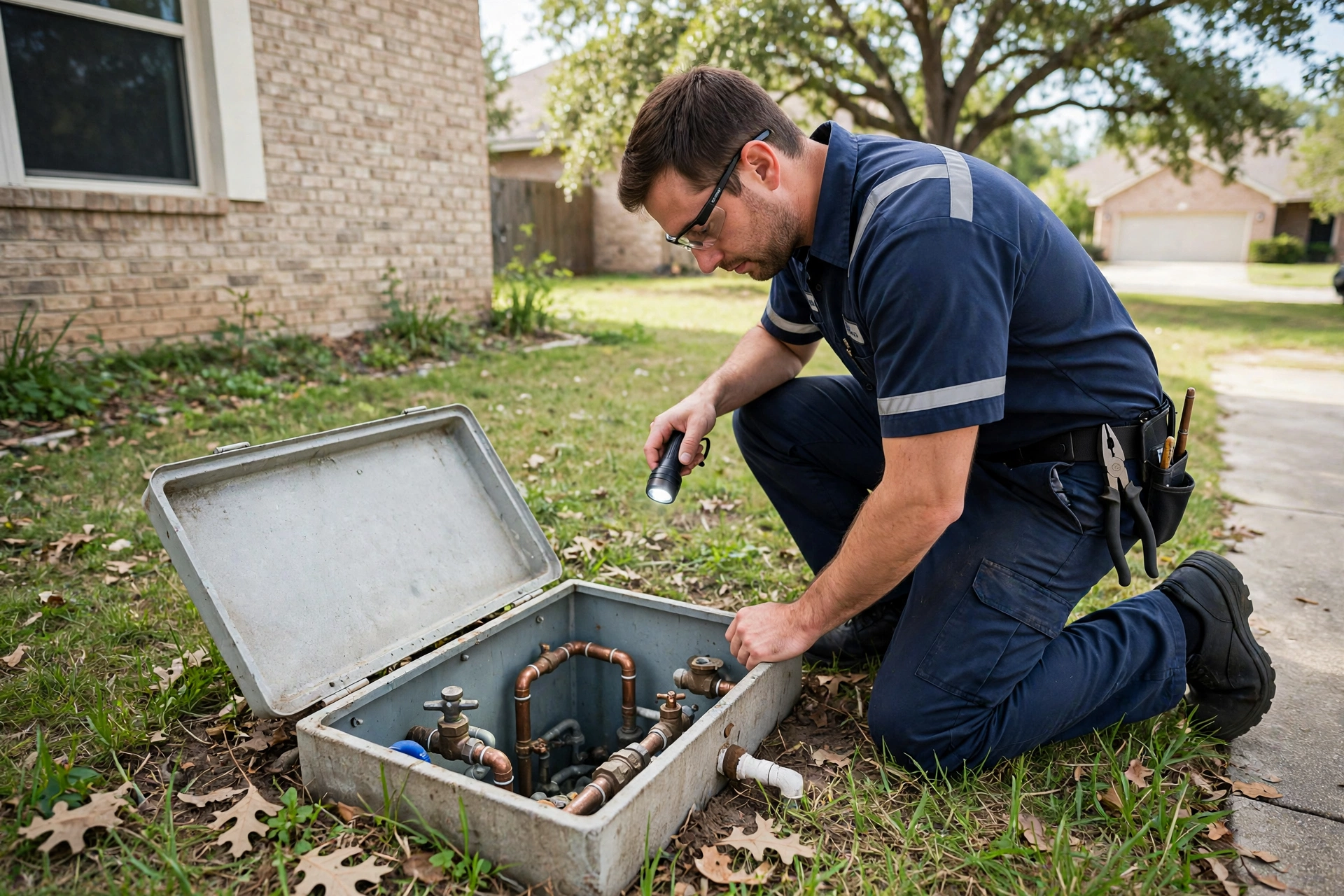
A typical detection visit follows a logical process of elimination. The technician starts with the big picture — confirming with the water meter that water really is escaping somewhere — then narrows it down section by section: isolating fixture groups, testing individual lines, and listening at walls, floors and fixtures for the tell-tale signs of water moving where it should not be. Each test rules something out until only the culprit remains.
This matters enormously in Kyle homes because of how water behaves here. Many homes in neighbourhoods like Plum Creek, Six Creeks and Crosswinds sit on slab foundations, and water from a slab leak does not politely appear directly above the break. It travels along the foundation, follows the path of least resistance, and can surface in a completely different room. Our guide to the signs of a hidden water leak explains why the damp patch you can see is so often far from the leak you cannot.
Detection is also what protects you from the wrong repair. A repair crew working from a vague diagnosis — “somewhere under the bathroom” — has to open up a wide area and hope. A repair crew working from a pinpointed location opens one precise spot. The difference in damage, dust and disruption to your home is enormous, and it all comes from the quality of the detection work done beforehand.
What Leak Repair Is
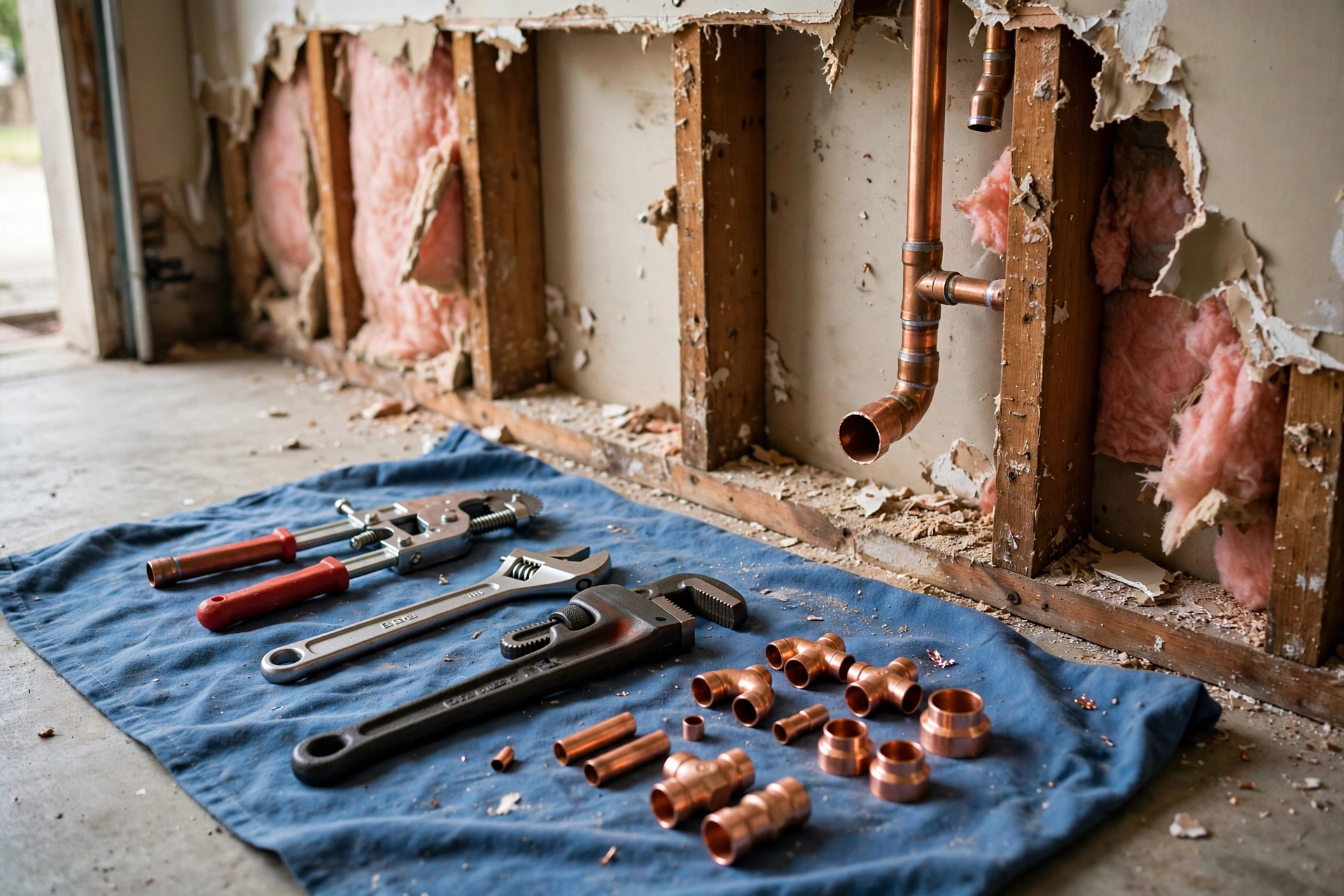
Leak repair is the fix. Once the leak’s location is known, repair means opening access, cutting out or bypassing the failed section, installing sound pipe and fittings, testing the repair under pressure, and putting things back — patching drywall, closing up flooring, restoring the area as close to its original state as the scope allows.
Repairs range from the small to the structural. A failed supply valve under a sink might take a single visit and leave barely a trace. A slab leak repair might mean rerouting a water line through walls and attic space so it no longer runs beneath the foundation. A deteriorated section of pipe might mean replacing a run of plumbing across several rooms. The repair is priced on the scope of the fix: how much has to be opened, how much pipe is replaced, and how much restoration is involved.
Here is the critical point: a repair can only be as good as the diagnosis it is built on. Repairing the wrong pipe — or repairing the right pipe in the wrong place — does not just waste money. It leaves the real leak running, which means the water damage continues, the water bill keeps climbing, and you get to pay for a second repair on top of the first. Every one of those outcomes traces back to skipping or skimping on detection.
Why Diagnosis Has to Come First
Think about how you would handle any other expensive unknown. You would not let a mechanic replace your car’s transmission because it “might be the problem.” You would not approve surgery on a blurry scan. Yet homeowners routinely authorise leak repairs — sometimes very disruptive ones — on the strength of a ten-minute look and a confident guess.
The review-mining from real customer experiences keeps returning to the same themes: people are scared of being overcharged, and what they want is certainty — to be walked through what is wrong and why, in plain language, before anyone picks up a tool. Paying for detection first is how you buy that certainty. It turns “we think it’s under the slab” into “the leak is in the hot water line, three feet from the north wall of the laundry room, and here is the evidence.”
There is a financial logic too. Detection is the smaller, bounded cost; repair is the larger, open-ended one. Spending a little on a precise diagnosis before committing to a large repair is the cheapest insurance in the whole process. It is also what lets you get meaningful second quotes: two repair companies bidding on the same documented leak location will give you comparable numbers, while two companies guessing at different locations will give you numbers you cannot compare at all.
When You Need Both — and In What Order
Most hidden-leak situations need both services, in this order: detect, then repair. The detection visit produces the map; the repair visit follows it. Sometimes one company handles both, which can be convenient — but the two phases should still be distinct in your mind and, ideally, in the paperwork. You want to see what the diagnosis found before you approve what the repair will cost.
There are situations where detection alone is the whole job. If a previous plumber could not find your leak, a dedicated detection visit gives you the answer you have been missing — and you can then take that documented finding to any repair contractor you trust. If you are buying a home in Waterleaf or Steeplechase and want to know the plumbing is sound, detection is a standalone peace-of-mind service. If two repair quotes disagree wildly, an independent detection visit is the tiebreaker.
And there are situations where repair comes without a separate detection phase — but only when the leak is already obvious. A visibly burst supply line under a sink, a toilet supply valve spraying water: the diagnosis is self-evident, and paying for a formal detection visit would be silly. The rule of thumb is simple: if you can see exactly where the water is coming from, you need repair. If you cannot, you need detection first.
What a Detection Visit Covers — and What It Does Not
Clarity about scope is one of the biggest things customers ask for — “work exactly as described, no surprises.” So here is the honest breakdown. A detection visit covers: confirming whether a leak exists, systematically narrowing down its location through testing, documenting the findings, and explaining your repair options in plain language. You should leave the visit knowing where the leak is, how it was found, and what the sensible next steps are.
What it does not cover: the repair itself. The technician will not cut open walls to fix the pipe, will not replace fittings, and will not patch anything — because opening things up before the location is proven is exactly the guesswork detection exists to prevent. If a company offers to “detect and fix in one visit” for a hidden leak, ask how they can promise the fix before they have finished the finding. The honest answer is that detection comes first, the findings are reviewed, and the repair is scheduled as a separate, clearly scoped job.
This separation also protects you on warranties and accountability. When the diagnosis and the repair are documented as distinct steps, there is no ambiguity later about what was found versus what was done. If the repair does not solve the problem, the written detection findings tell everyone exactly where to look next.
Two Quotes, One Problem: How Detection and Repair Work Together
Here is the practical workflow that saves Kyle homeowners the most money and stress. Step one: notice the symptom — a high bill, a damp spot, the sound of running water. Step two: book detection, and get the leak located and documented. Our comparison of plumbers versus leak detection specialists explains why the specialist is the right call for this phase. Step three: take the documented findings and get repair quotes against that specific, proven scope. Step four: choose the repair contractor who explains the work clearly and puts it in writing.
Notice what this sequence gives you at every stage: after step two, you know the truth about your plumbing regardless of who does the repair. After step three, you are comparing like with like instead of comparing guesses. And throughout, you are the person with the information — not the person hoping the contractor’s guess was right.
If you are currently holding a repair quote that was written without any real detection work behind it, treat that as unfinished business, not a finished estimate. Getting the leak properly located first is not an extra expense — it is the step that makes every dollar of the repair money well spent. For an independent, documented detection visit anywhere in Kyle, call Kyle Leak Detection Pros at (512) 729-5265.
Frequently Asked Questions
Can the same company do both detection and repair?
Yes, and it is often convenient — but keep the two phases distinct. Ask for the detection findings in writing before you approve the repair scope and price. A company that is confident in its diagnosis will have no problem with that sequence.
Is leak detection worth it if I already know roughly where the leak is?
“Roughly” is where expensive mistakes live. Water travels, especially under slabs and inside walls. Confirming the precise location before anyone opens anything up is what keeps a small repair small.
Will a detection visit damage my walls or floors?
No. Detection is non-invasive by design — meter checks, fixture isolation and listening tests happen without opening anything. The whole point is to minimise how much has to be opened during the repair phase.
What if detection finds more than one leak?
It happens, particularly in older plumbing systems. A good detection visit documents every leak found, prioritises them, and explains which ones need immediate repair and which can be monitored. That complete picture is far better than fixing one leak and discovering the second one months later.
Detection finds it. Repair fixes it. In that order, every time. Get the diagnosis documented, get the repair quoted against that diagnosis, and choose the contractor who walks you through what is wrong and why. That is how a hidden leak becomes a solved problem instead of an expensive saga.
For specialist leak detection across Kyle and the surrounding Hays County communities — the “find it before you fix it” step that every repair should start with — call Kyle Leak Detection Pros at (512) 729-5265.