How to Get a Second Opinion on an Expensive Leak Repair
There is a particular kind of silence that falls over a kitchen table when a plumber slides a repair estimate across it. You read the number twice. You ask them to explain it again. And after they leave, one thought keeps circling: is this really what it should cost? If that sounds familiar, you are…
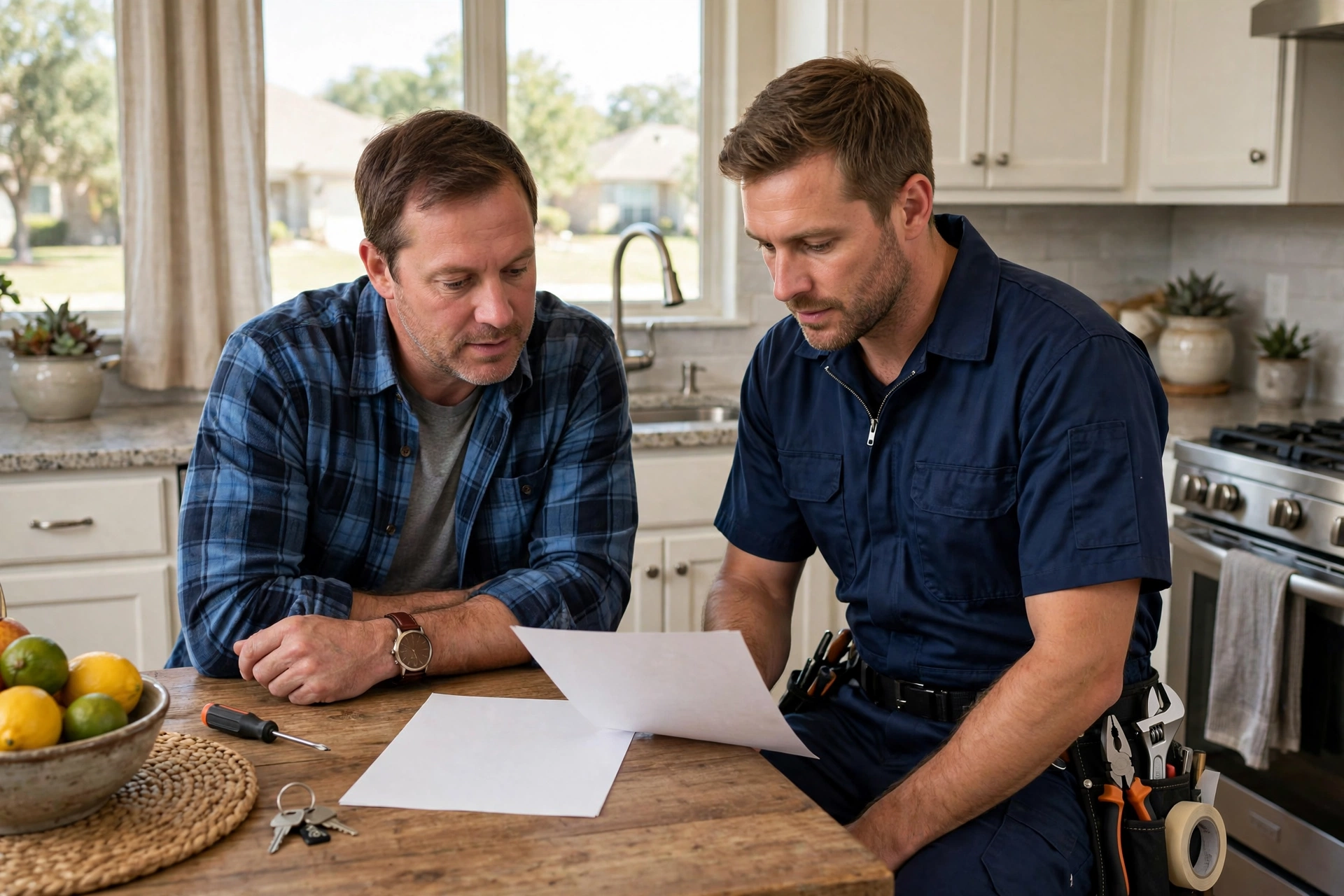
There is a particular kind of silence that falls over a kitchen table when a plumber slides a repair estimate across it. You read the number twice. You ask them to explain it again. And after they leave, one thought keeps circling: is this really what it should cost?
If that sounds familiar, you are far from alone. When you look at what homeowners across Kyle, Buda and San Marcos say after difficult plumbing jobs, two phrases come up again and again: they were scared of being overcharged, and what they wanted most was no surprises. A repair quote that feels like a leap of faith is exactly the moment to slow down and get a second opinion.
Getting a second opinion is not an accusation. It is due diligence. Leak repairs — especially the big ones, like rerouting a water line around a slab or repiping a section of the house — are priced on a diagnosis. If the diagnosis is shaky, the repair built on top of it is shaky too. A second set of eyes, ideally from a specialist whose whole job is finding leaks, gives you the evidence to say yes with confidence — or to walk away from a quote that does not add up.
Here is how a second opinion leak repair review works when done right: what it should cover, the red flags that mean a quote deserves scrutiny, the questions that separate straight answers from sales talk, and what to do when two plumbers disagree.
Why Leak Repair Quotes Feel So Uncertain
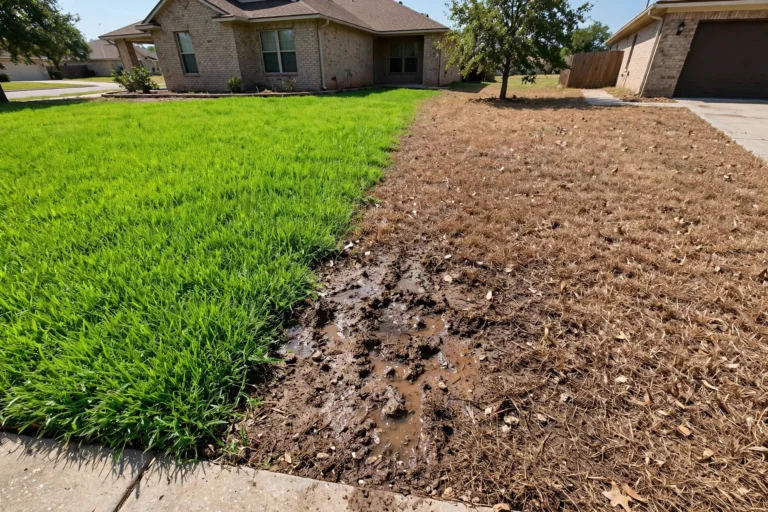
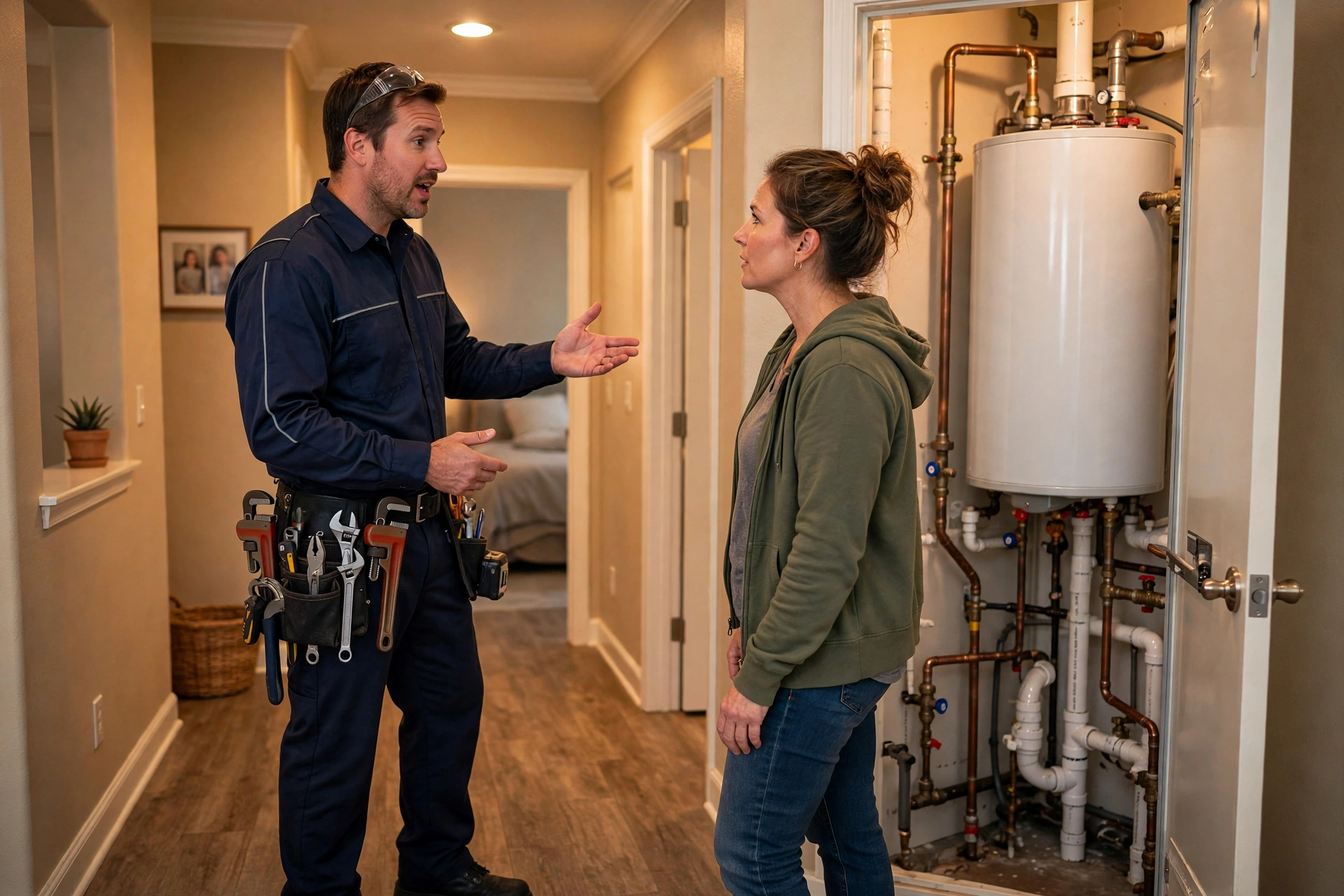
Most home repairs are easy to price in your head. A new tap, a replaced water heater — you can see the part and picture the job. A hidden leak is different. The thing you are paying to fix is invisible: a pinhole under a slab in a Plum Creek home, a failing joint inside a wall in Six Creeks. You cannot verify the problem with your own eyes, so the entire quote rests on the plumber’s diagnosis.
That is why leak repair estimates cause more anxiety than almost any other plumbing work. Real customer language says it plainly: people want the work to go exactly as described, with no surprises. When the problem is hidden and the fix is expensive, the only thing standing between you and an unpleasant surprise is the quality of the diagnosis underneath the quote.
This is also why the most expensive-sounding recommendations — rerouting a water line around a slab foundation, opening a wall to replace a section of pipe, repiping a bathroom group — deserve a second look more than any small fix. The bigger the job, the more it matters that the leak is real, that it is where they say it is, and that the proposed fix is the sensible one rather than simply the most profitable one.
What a Good Second Opinion Actually Covers

A proper second opinion is not someone glancing at the first quote and undercutting it slightly. That is just a cheaper guess. A real second opinion re-does the diagnosis from scratch and gives you an independent picture. Here is what it should include.
Independent confirmation that a leak exists
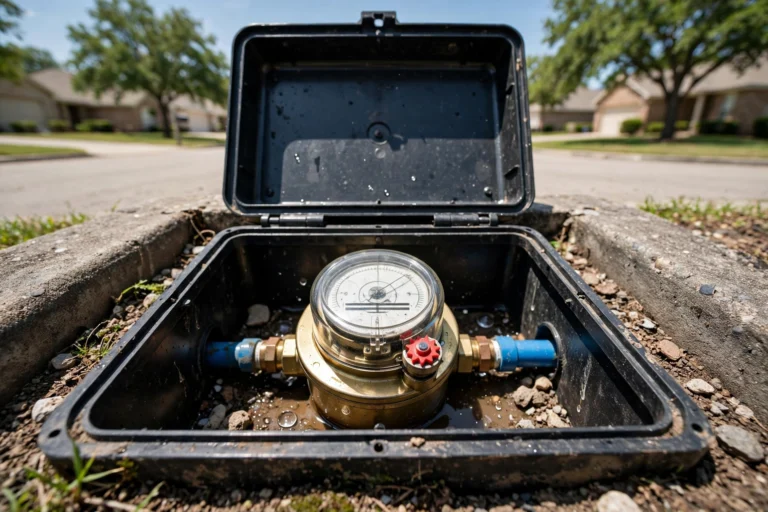
The second technician should verify the leak with their own testing — not take the first company’s word for it. A sensible starting point is the water meter check: with everything in the house turned off, the meter should sit still. Our guide to checking your water meter for a leak walks through the same ten-minute test a technician will start with.
A precise location, not a general area
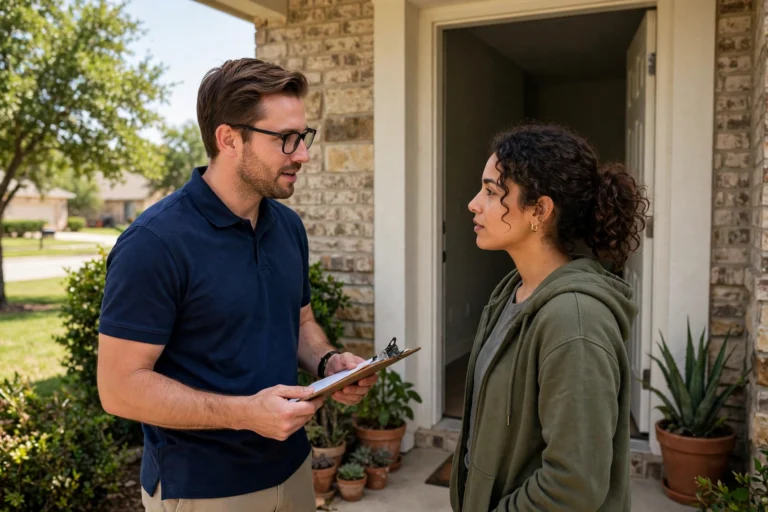
“Somewhere under the slab” is not a diagnosis; it is a neighbourhood. A good second opinion narrows the leak to a specific line and a specific spot, and the technician should be able to walk you through how they got there — which fixtures were tested, what was ruled out, and why the remaining suspect is the likely source. Ask them to show you, not just tell you.
The full range of options
The plumbers customers praise most are the ones who get creative to save them money — who explain everything and lay out choices instead of presenting a single take-it-or-leave-it fix. A trustworthy second opinion does the same: repair in place versus reroute, spot fix versus partial repipe, what each option means in disruption as well as money, and what happens if you choose to monitor the situation for now.
Findings in writing
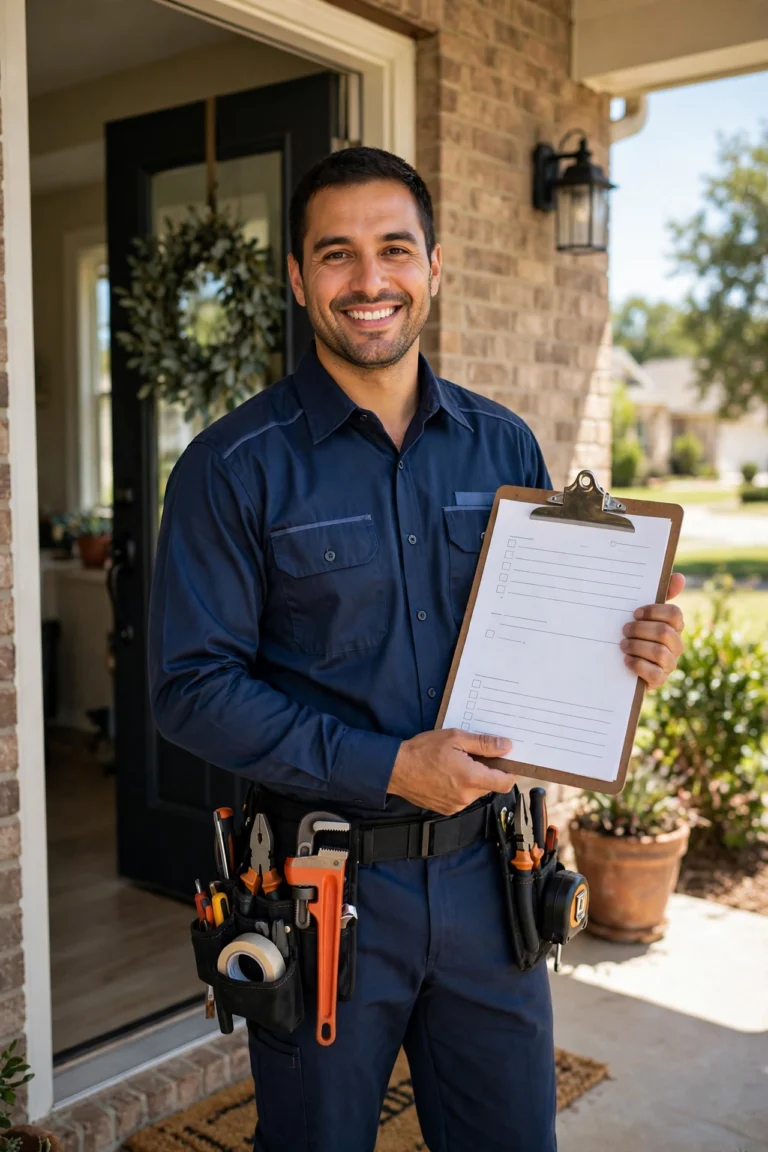
Ask for the findings in writing: what was tested, what was found, what is recommended, and what is excluded. A written summary protects both sides and gives you something concrete to compare against the first quote. “Work exactly as described” starts with the description being written down.
Red Flags in a Repair Quote
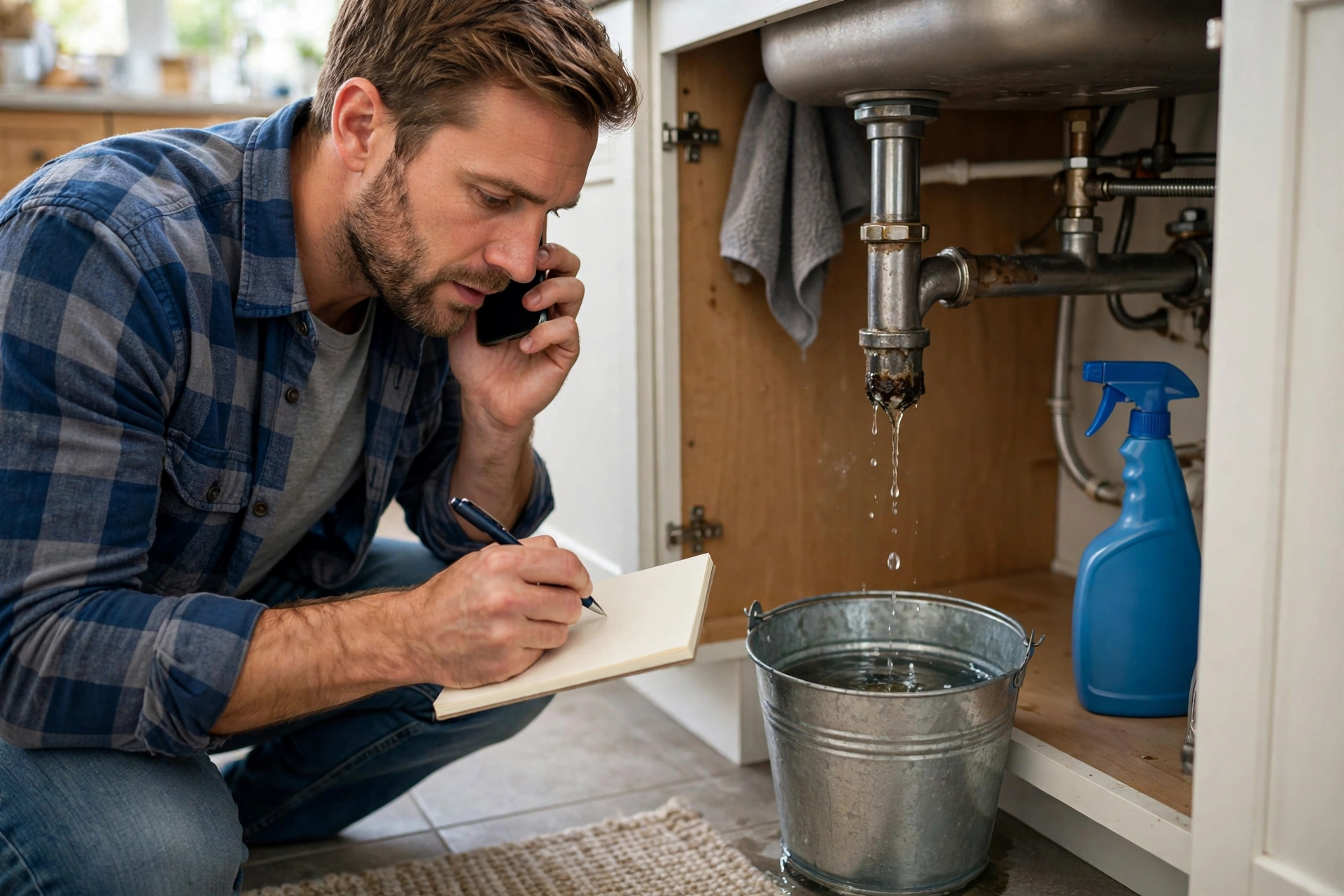
Not every high quote is a bad quote — some leaks genuinely require disruptive, labour-intensive repairs. But certain patterns should make you pause and get that second opinion before signing anything:
- Pressure to decide immediately. “This price is only good today” is a sales tactic, not a plumbing fact. A real leak will still be there tomorrow, and a real professional will still honour a fair price tomorrow.
- A quote with no testing behind it. If nobody ran water through the lines, checked the meter, or carried out any form of specialist testing, the quote is a guess dressed up as a number.
- Vague scope. “Fix leak under house” tells you nothing. Where exactly? Which line? How will they reach it? What gets opened up, and who puts it back?
- Only one option presented. When a technician cannot or will not explain alternatives, you are not getting advice — you are getting a sales pitch.
- Reluctance to explain. You asked “what does this mean?” and got jargon, impatience, or a change of subject. Customers consistently say plain-language explanations are what they value most — their absence is telling.
- The quote keeps growing on the day. Extras discovered mid-job do happen, but a pattern of low opening quotes that balloon once work starts is a classic warning sign.
If you recognise your quote in that list, do not feel embarrassed — feel informed. The whole point of a second opinion is to turn that uneasy feeling into either confidence or a better plan. If you want an independent read before you commit, call Kyle Leak Detection Pros at (512) 729-5265 — locating leaks and documenting exactly what is wrong is the core of what we do.
Green Flags: Signs a Quote Is Honest
Fairness has a look, too. A quote you can trust usually comes with a technician who walks you through what is wrong and why, in words you understand. The scope is specific: which line, which location, what will be opened and what will be restored. Options are on the table, including the option to do nothing yet and what that risks. Questions are welcomed, not brushed aside. And nothing important lives only in conversation — it is written down.
One more green flag worth naming: a company that is comfortable with you getting a second opinion leak repair review. Professionals who stand behind their diagnosis do not flinch when you say you want it double-checked. If a contractor reacts badly to that sentence, you have learned something valuable before spending anything.
Second Opinion Leak Repair: Questions to Ask at the Second Visit
You do not need plumbing knowledge to get a useful second opinion — you need good questions. Ask these, and listen for specific answers rather than general reassurance:
- What test did you run to confirm there is a leak, and can you show me the result?
- Where exactly is the leak — which line, and how confident are you in the location?
- What are my repair options, from the smallest fix to the most complete one?
- What happens if I wait a few months? What gets worse, and what stays the same?
- Does your quote include opening up and patching back — walls, flooring, concrete?
- Do you handle both the detection and the repair, or would I need a separate contractor?
- Can I have all of this in writing?
Notice what these questions do: they force the conversation onto evidence, scope and choices — the three things that separate a professional diagnosis from a sales call. Take notes. Compare the answers, not just the bottom line.
Why Specialist Leak Detection Is the Strongest Evidence
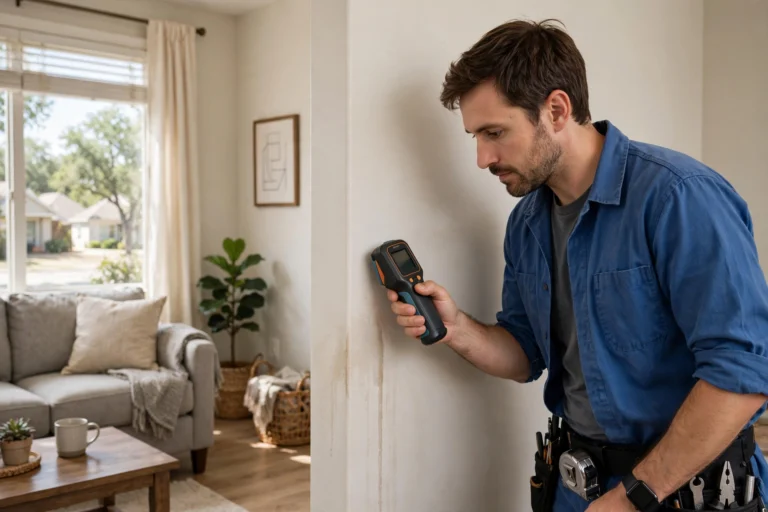
There is a useful distinction to understand before your second appointment: plumbers and leak detection specialists do different jobs. A general plumber is trained to fix what is broken; a detection specialist is trained to prove exactly what is broken and where. For a second opinion on a big repair, that second skill is the one you want.
A specialist visit gives you an independent, documented location for the leak — the evidence base both quotes should be measured against. If the first quote says “reroute the hot line under the slab” and the specialist’s testing shows the leak is actually in a wall line on the opposite side of the house, you have just saved yourself from paying for the wrong repair. That happens more often than homeowners expect, particularly with slab leaks, where water can travel along the foundation and surface far from its source.
Think of it this way: you would not approve surgery on a blurry scan. A second opinion backed by proper detection work is the clear scan.
What to Do When Two Quotes Disagree
Disagreement between two professionals is uncomfortable, but it is also useful — it tells you the diagnosis is not as settled as the first quote implied. Compare the quotes line by line on scope, not just price. A cheaper quote that excludes patching, permits or restoration is not actually cheaper.
Then take each technician’s findings back to the other. “The other company said the leak is here — what do you make of that?” Straightforward professionals will engage with a competing finding; evasive ones will dismiss it without explanation. You are looking for the person who explains, not the person who insists.
And if the two opinions genuinely cannot be reconciled, that is what a third data point is for: a dedicated detection visit whose only job is location, with no repair sale attached — much like the situations described in our guide for when a plumber could not find the leak. An unbiased map of the problem settles most disputes.
Frequently Asked Questions
Is it rude to ask for a second opinion on a plumber’s quote?
Not at all — it is normal consumer diligence, and any professional expects it on larger jobs. You do not need to announce it as distrust. “I always get a second quote on bigger work” is a complete sentence.
Should I show the second plumber the first quote?
Show them the findings, not the price — at least at first. Let them carry out their own diagnosis and give their own recommendation before they know what the first company proposed. Then compare. If you lead with the price, you invite them to simply beat it rather than think independently.
What if the second opinion confirms the first quote?
Then you have bought something valuable: confidence. Proceed with the repair knowing the diagnosis held up under scrutiny, and keep both written findings in case anything about the job changes halfway through.
Can a second opinion be done without tearing anything up?
Yes. A proper second opinion relies on non-invasive testing — meter checks, fixture isolation, listening tests — before anyone talks about opening walls or floors. If a company wants to start cutting before it has finished diagnosing, that is information too.
An expensive leak repair quote deserves respect — and verification. Get a second opinion leak repair assessment: get the leak independently located, get the options in writing, and choose the contractor who explains everything and leaves you with no surprises. That is how a scary quote becomes a confident decision.
If you are staring at a big repair estimate anywhere in Kyle — from Plum Creek to Steeplechase — and want an independent, documented second read on the leak itself, call Kyle Leak Detection Pros at (512) 729-5265. We find and document leaks across Kyle and the surrounding Hays County communities every day.