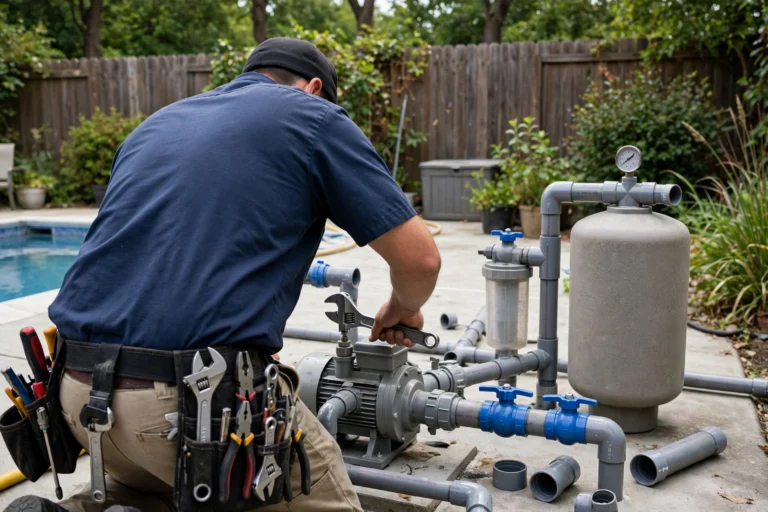

Water Bill Suddenly High in Kyle? How to Tell If It’s a Leak
Looking for High Water Bill Leak Kyle? Few things sting like opening a water bill that’s double what you expected. Before you assume it’s a leak — or assume it isn’t — there’s a simple way to know for sure. This guide walks Kyle homeowners through a practical diagnostic: a short series of checks that…
Looking for High Water Bill Leak Kyle? Few things sting like opening a water bill that’s double what you expected. Before you assume it’s a leak — or assume it isn’t — there’s a simple way to know for sure. This guide walks Kyle homeowners through a practical diagnostic: a short series of checks that separate a genuine high water bill leak in Kyle from ordinary high usage. Work through the steps in order, and by the end you’ll know whether a leak is the likely culprit — and roughly where it is hiding.
High Water Bill Leak Kyle: Step 1: Compare the right months
First, rule out the obvious. Compare this bill against the same month last year, not against last month. In Kyle, summer irrigation alone can double a household’s water use — a July bill will always dwarf a January one. If usage is up year-over-year with a similar watering schedule, something changed. If it’s just seasonal, you may simply be watering more than you realised. If you need High Water Bill Kyle Leak, calling early usually saves money compared to waiting.
Compare the usage figures (gallons or CCF), not just the dollar amount. A rate increase or a new surcharge can inflate the total without any extra water flowing through your pipes. Real growth in usage — with no change in household habits — is the signal that matters. Our High Water Bill Kyle Leak process is straightforward and explained in plain language.
Also check for silent usage changes before you go any further: For High Water Bill Kyle Leak, the first step is always understanding your symptoms.

- A running toilet. Listen for the tank refilling on its own, long after the last flush. A toilet that runs silently around the clock is one of the most common causes of a sudden bill spike.
- A new or adjusted irrigation zone. Longer run times, an added zone, or a controller that reset itself after a power outage can add far more water than you expect.
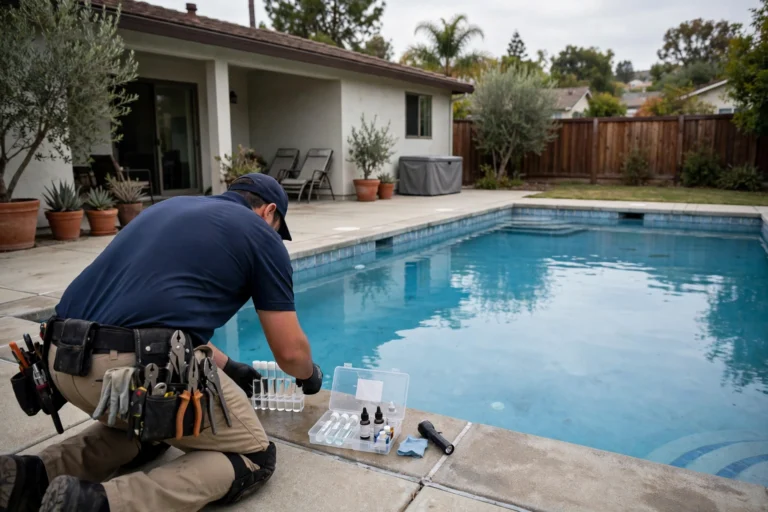
- A pool autofill left on. A stuck or misadjusted autofill valve can feed a surprising amount of water into the pool continuously.
- Guests staying over. Extra showers, laundry, and dishwashing add up faster than most people estimate.
Eliminate these before hunting for leaks. If none of them explain the jump, move to Step 2. We provide High Water Bill Kyle Leak for homes across the Kyle area.
Step 2: The 20-minute meter test
This is the single most useful leak check a homeowner can do — no tools required: Questions about High Water Bill Kyle Leak? The sections above cover the most common ones.
- Turn off every water-using fixture and appliance in the house.
- If you have irrigation, switch the controller fully OFF (the physical switch, not a rain-delay skip).
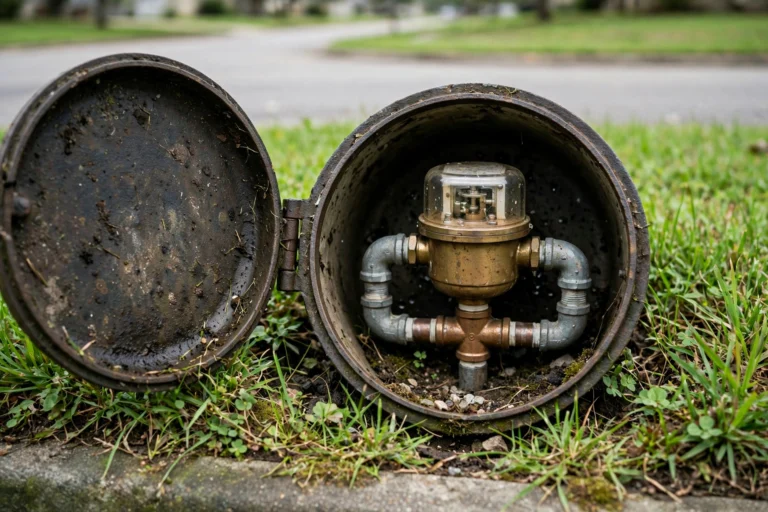
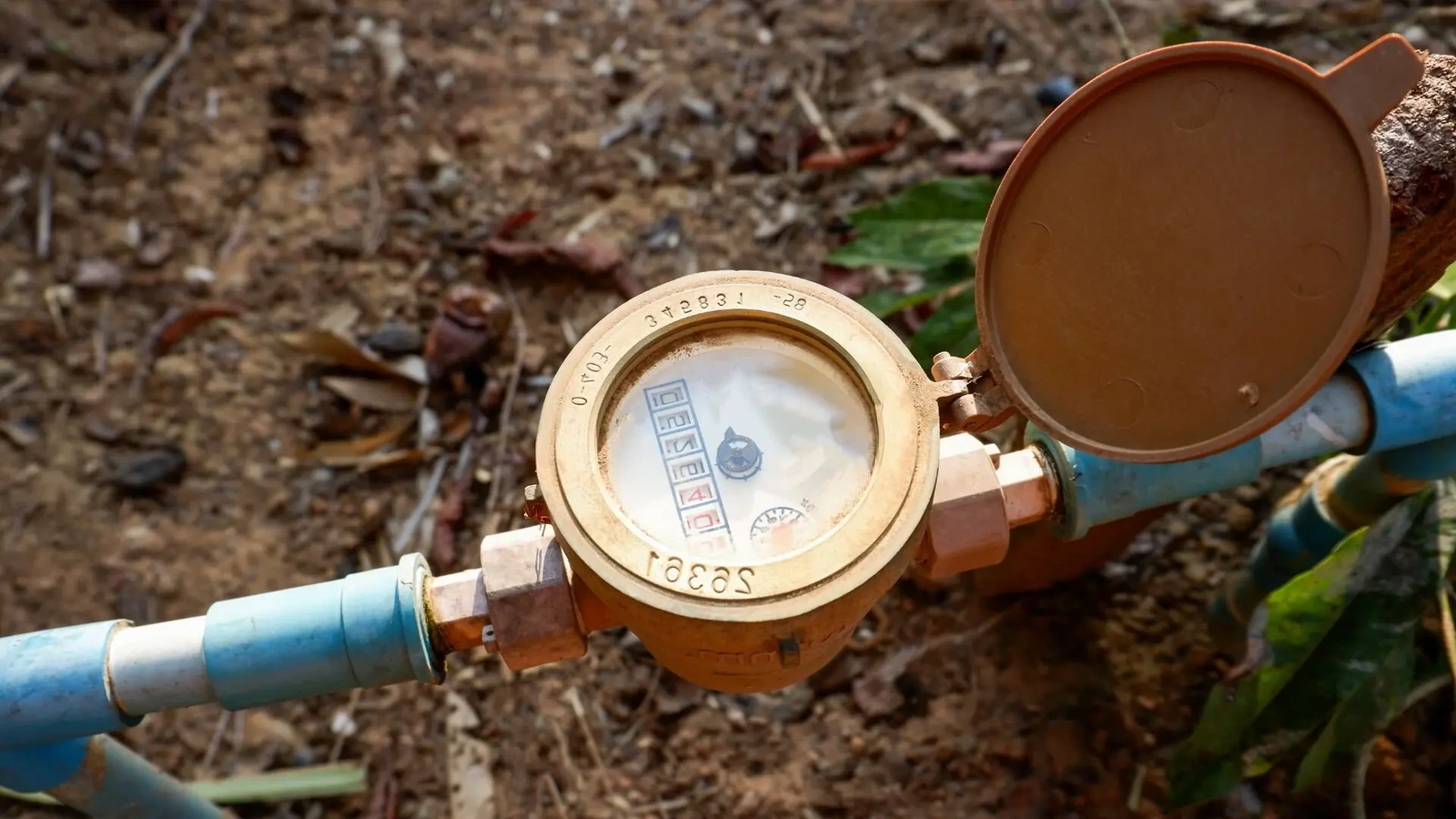
- Find your water meter — usually in a ground-level box near the street or sidewalk.
- Note the exact reading (or photograph the dial), wait 15–20 minutes without using any water, then read it again.
- Any movement at all means water is flowing somewhere it shouldn’t.
How to read your meter in Kyle
Most Kyle homes have the meter in a rectangular ground-level box at or near the curb. Lift the lid carefully — these boxes attract spiders and fire ants — and wipe the dial clear of dirt so you can read it. Many Kyle meters also have a small leak-indicator dial or triangle that spins with even tiny flows — watch that first; it’s more sensitive than the main numbers. If the indicator is moving while everything in the house is off, water is going somewhere. Professional High Water Bill Kyle Leak helps you avoid guesswork and unnecessary repairs.
What the result means
A meter that moves during the test means water flowed through your plumbing while nothing should have been using it — a strong sign of a leak. If the reading stayed identical, a continuous leak is unlikely. One caveat: an intermittent leak, such as a toilet that only runs overnight, can slip past a single daytime test. If the bill stays high, repeat the test in the late evening or early morning, when the house is quiet for the longest stretch and nobody is likely to accidentally use water.
Prefer not to babysit the meter? The City of Kyle’s WaterSmart portal shows your hourly water usage online and can send leak alerts. A spike in the middle of the night, when nothing should be running, is the same red flag as a moving meter — just easier to spot from your phone.
Step 3: Narrow it down — house or yard?
A positive meter test tells you there is a leak; this step tells you roughly where. Run the test twice if you can — once with the irrigation controller on its normal schedule, and once with it switched fully off. Reliable High Water Bill Kyle Leak starts with a clear diagnosis, not a sales pitch.
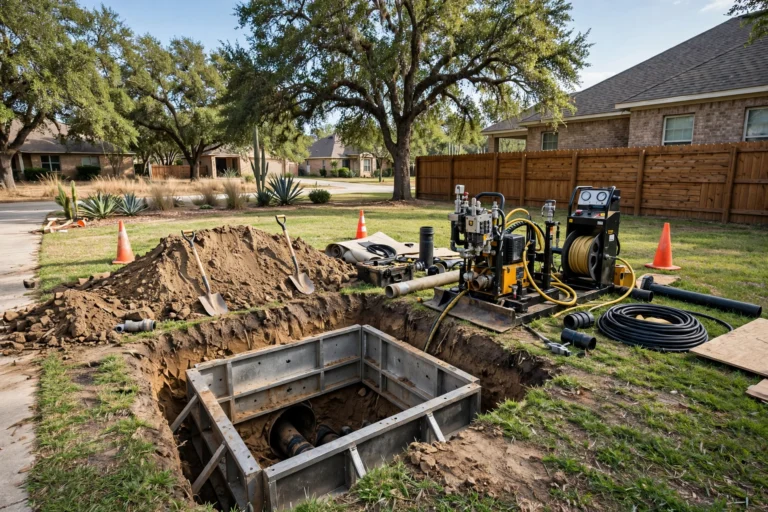
If the meter moved with the irrigation off, the leak is in the house plumbing or the underground service line — not the sprinklers. That’s the expensive kind, and it deserves prompt attention: a water line leak can waste a surprising amount of water over a month. Leaks in this category hide inside walls, under the slab, or in the buried line between the meter and the house — places you can’t inspect visually, which is exactly why the meter test matters so much.
If the meter only moves when the irrigation runs, the leak is in the sprinkler system. Broken heads, cracked lateral lines, and weeping valves are common in Kyle — mower damage, settling clay soil, and freeze-cracked backflow assemblies are the usual culprits. See our guide to irrigation leak detection.
If the meter moves in both cases, you may be dealing with more than one problem — fix the obvious one first, then re-test.
Step 4: Walk the property
While you’re at it, do a five-minute visual sweep. You’re looking for anything wet, damp, or greener than it should be:
- Yard: soggy patches that never dry, greener-than-normal grass strips, or water pooling near the meter or along the driveway. A strip of unusually lush grass over a buried line is a classic tell — the leak is fertilizing the lawn.
- House exterior: damp foundation walls, water seeping from under the slab edge, or a hose bib that drips constantly. Check around the water meter box itself too; standing water there can point to the service line.
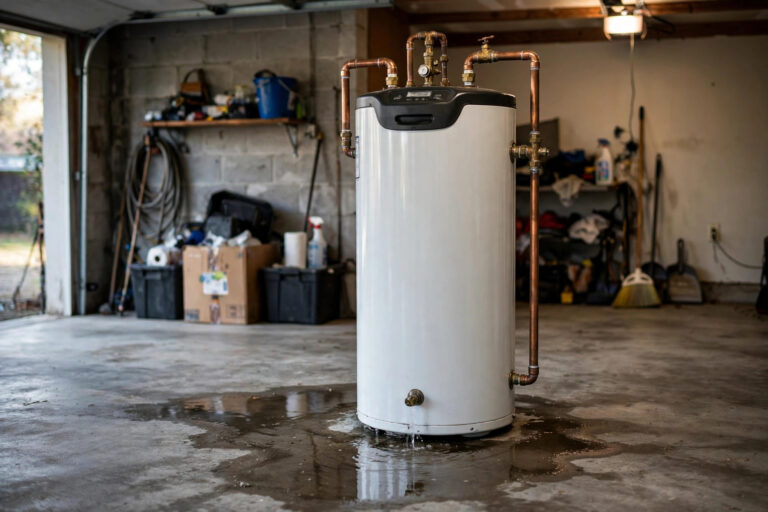
- Inside: under-sink cabinets, toilet bases, water heater connections, and the laundry area. Run your hand along supply lines feeling for moisture, and look for warped cabinet floors, musty smells, or mineral staining on connections.
Note everything you find — even small things. A detection technician uses your observations to narrow the search fast, and a written list beats trying to remember what you saw once someone is asking questions.
When to call a professional
Call for detection when: the meter test shows movement you can’t explain, the bill keeps climbing after you’ve ruled out usage changes, or you find damp spots, warm floors, or running-water sounds.
The meter test costs you 20 minutes and answers the biggest question: leak or no leak. Run it the moment a bill surprises you — catching a leak in month one instead of month four is the difference between a detection visit and a repair project.

Want the broader picture — the common causes behind bill spikes and how to keep them from happening again? Our high water bill guide covers those angles in more depth. If you’re wondering what a professional assessment involves and what affects its price, see our leak detection cost guide for Kyle. And if you’re seeing physical symptoms too — damp spots, musty smells, floors that buckle — compare them against the signs of a hidden water leak.
High bill with no explanation? Call (512) 729-5265 to discuss your situation. Describe what your checks turned up — the meter result, what moved and what didn’t — and we’ll help you figure out the right next step.
HIGH WATER BILL LEAK KYLE: FREQUENTLY ASKED QUESTIONS
How long should I wait between water meter readings for the leak test?
Fifteen to twenty minutes is enough for most leaks. Shorter waits can miss very slow leaks, while much longer waits increase the chance someone in the house uses water and skews the result. Late evening or early morning is the best time, when nobody is likely to run a tap.
My meter moved with the irrigation controller switched fully off. What does that mean?
The leak is in the house plumbing or the underground service line between the meter and the house — not in the sprinklers. That category of leak is hidden and worth prompt attention. Note the result and call (512) 729-5265 to discuss your situation.
The meter only moves when my sprinklers run. Is that an irrigation leak?
Very likely, yes. A zone valve that won’t close, a broken head, or a cracked lateral line can all keep the meter turning. Walk each zone while it runs and watch for geysers, misting heads, or soggy patches — then see our irrigation leak detection page for what comes next.
Can a running toilet really raise my water bill on its own?
Yes. A toilet with a worn flapper or a misadjusted fill valve can leak silently around the clock without any visible sign. Listen for the tank refilling on its own between flushes, and check the water level in the tank — it should sit below the overflow tube.
I ruled out a leak but my bill is still high. What else could it be?
Revisit seasonal causes honestly: irrigation schedule creep, pool top-offs in Texas heat, new landscaping, guests, or a softener regenerating too often. If none fit and the meter test was positive, a hidden leak in a wall, under the slab, or in the service line is still the most likely answer.