

High Water Bill Kyle TX Causes: Why Your Water Bill Jumped — and How to Think About It
Few household surprises are as unwelcome as opening a water bill that is noticeably higher than last month. Your first instinct may be to assume something is broken — and sometimes it is. But high water bill Kyle TX causes are more varied than most homeowners expect. A hidden leak is one possibility, but so is a sprinkler system running longer than you realize, a change in household routine, or a rate adjustment you never noticed on the bill. EPA WaterSense
This guide walks through the most common causes of a high water bill for Kyle homeowners, what each one typically looks like, and the practical next step for each. It is a broad overview meant to help you sort possibilities, not a step-by-step diagnostic procedure — once you have a sense of the likely culprit, you can decide whether it is a DIY fix, a phone call to the utility, or a professional assessment. If you call (512) 729-5265 to discuss your situation, knowing which category your bill fits into will make that conversation much more productive. If you have a high water bill Kyle homeowners often start by comparing usage month to month.
The Most Common Causes of a High Water Bill
1. A Hidden Leak Somewhere in the System
This is the cause homeowners fear most, and it deserves its spot at the top. A leak you cannot see — under a slab foundation, inside a wall cavity, or on an underground line to the house — can run continuously for weeks before any visible sign appears. The only evidence may be a bill that climbs month after month with no change in your habits. A high water bill Kyle TX residents notice usually traces back to one of the causes below.
What it tends to look like: a steady upward trend across several billing cycles rather than a single spike. You may also notice secondary clues — the faint sound of running water when everything is off, a warm spot on the floor, or a patch of unusually green grass outside. Our deeper guide on the signs of a hidden water leak explains each of these in detail. Understanding your high water bill Kyle starts with the meter test described here.
What to do: if nothing else explains the increase, treat a hidden leak as a serious suspect. This is the point where a professional assessment makes sense, because guessing at the location wastes time while the meter keeps running. Call (512) 729-5265 to discuss your situation. Many homeowners searching for High Water Bill Kyle start by checking the signs listed above.
2. A Running or Silently Leaking Toilet
Toilets are among the most common sources of household water waste, and the frustrating part is that many toilet leaks are completely silent. A worn flapper or a faulty fill valve can let water trickle from the tank into the bowl around the clock without any sound or visible sign — just a bill that creeps upward. If you need High Water Bill Kyle, calling early usually saves money compared to waiting.
What it tends to look like: a moderate, persistent increase. Sometimes you can spot it by checking whether the bowl water ripples when the toilet has not been used recently, or whether you hear the tank refilling on its own. Our High Water Bill Kyle process is straightforward and explained in plain language.
What to do: this is usually a homeowner-level fix. Lift the tank lid and look, or try the simple food-coloring test — a few drops of coloring in the tank, wait without flushing, and see whether color appears in the bowl. If it does, the flapper is the likely culprit and is generally an inexpensive part to replace. For High Water Bill Kyle, the first step is always understanding your symptoms.
3. Irrigation and Sprinkler System Issues
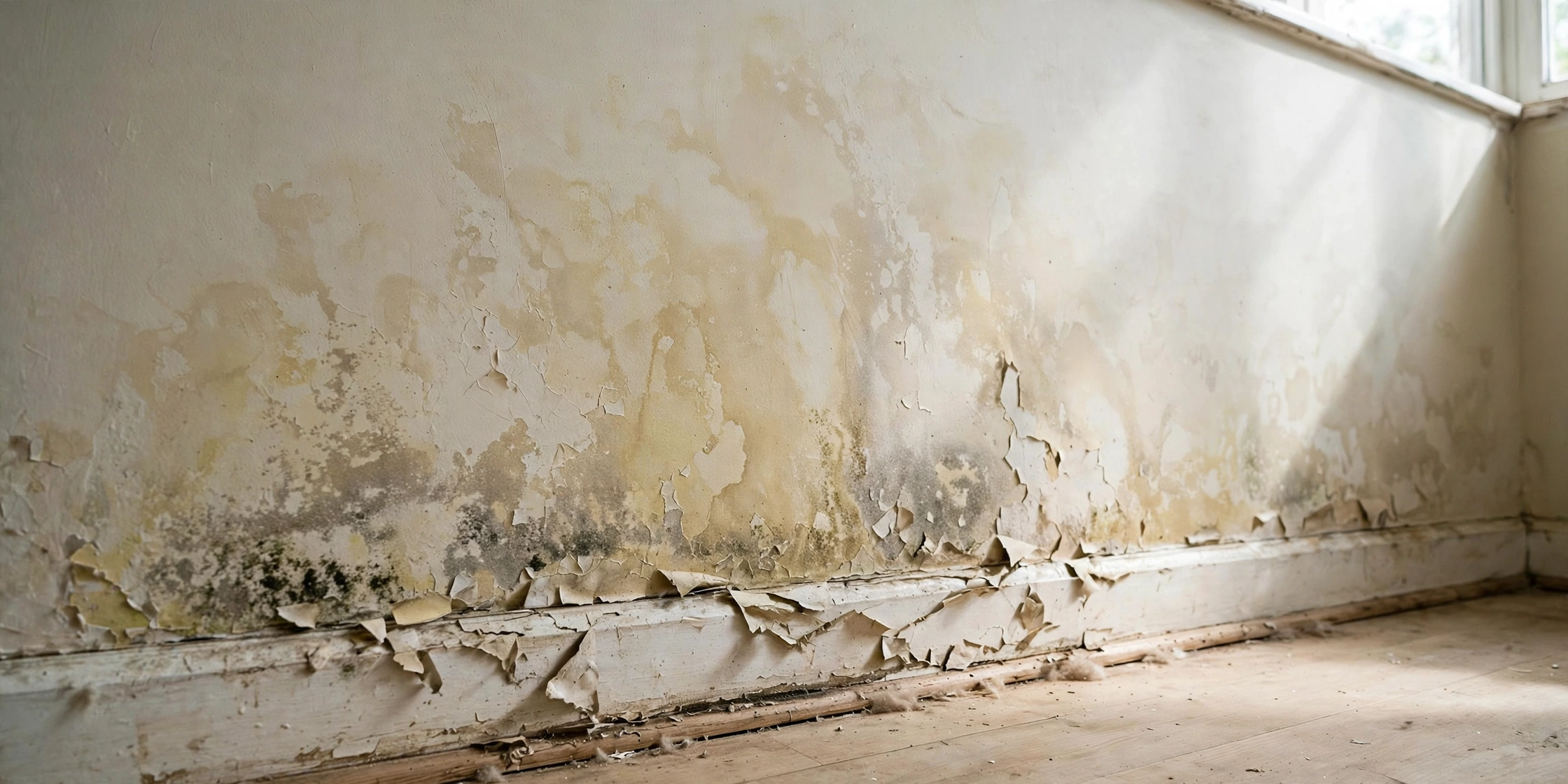
In Central Texas, lawn irrigation is one of the biggest residential water uses, and it is a frequent cause of bill shock in Kyle — especially in neighborhoods like Plum Creek, Six Creeks, and Waterleaf where established lawns and landscaping are common. A system with a broken head, a stuck valve, or a schedule that runs too often can use far more water than you imagine, often at night when you never see it running. We provide High Water Bill Kyle for homes across the Kyle area.
What it tends to look like: the bill jumps during the warm months and drops when the system is off. Soggy patches in the yard, misting or geyser-like spray from a head, or zones that run far longer than the rest are supporting clues. Questions about High Water Bill Kyle? The sections above cover the most common ones.
What to do: walk the system while it runs and look for broken heads, misaligned spray, or pooling water. Check your controller's schedule — seasonal over-watering is extremely common. If a zone seems to run constantly or you suspect an underground line break, our page on irrigation leak detection in Kyle covers how suspected underground irrigation leaks are assessed. Professional High Water Bill Kyle helps you avoid guesswork and unnecessary repairs.
4. Seasonal Changes in Water Use
Not every increase means something is wrong. Kyle summers are hot, and household water use naturally rises: more showers, more laundry, kids home from school, and lawns that need more water to survive the heat. If your bill climbs every summer and settles each fall, that pattern itself is the explanation. When it comes to High Water Bill Kyle, experience with local homes makes a difference.
What it tends to look like: a predictable annual cycle that mirrors the weather, with usage returning to normal in cooler months.
What to do: compare the same month year over year rather than month to month. If this year's July looks like last year's July, your usage is probably behaving normally. The real question is whether the increase is bigger than the weather alone would explain.
5. Changes in Your Household
A new baby, a teenager home for the summer, guests staying for a few weeks, a new washing machine, or a newly filled pool — all of these change water consumption in ways that show up plainly on the bill. Because these changes feel normal, homeowners often overlook them when hunting for an explanation.
What it tends to look like: the bill rises at the same time as the household change, and the timing lines up neatly.
What to do: think back over the billing period. Did anything change about who lives in the house or how water gets used? If the answer is yes, the mystery may already be solved. Pool owners should also remember that a pool loses water to evaporation in Texas heat, and frequent refilling adds up — our pool leak detection page helps distinguish normal evaporation from an actual pool leak.
6. Water Rate or Fee Changes
Sometimes the cause is not usage at all. Utilities periodically adjust rates, add fees, or shift billing tiers, and the change may be buried in fine print on the bill. If your usage looks identical to previous months but the total is higher, the price of the water itself may have moved.
What it tends to look like: usage (gallons) unchanged, but the dollar amount up. Tiered rate structures can also amplify this — cross into a higher usage tier and the extra gallons cost more per gallon.
What to do: compare the usage figure, not just the total. If gallons are flat, call your water provider and ask whether rates or fees changed. This is a utility question, not a plumbing one.
7. A Misread or Estimated Meter
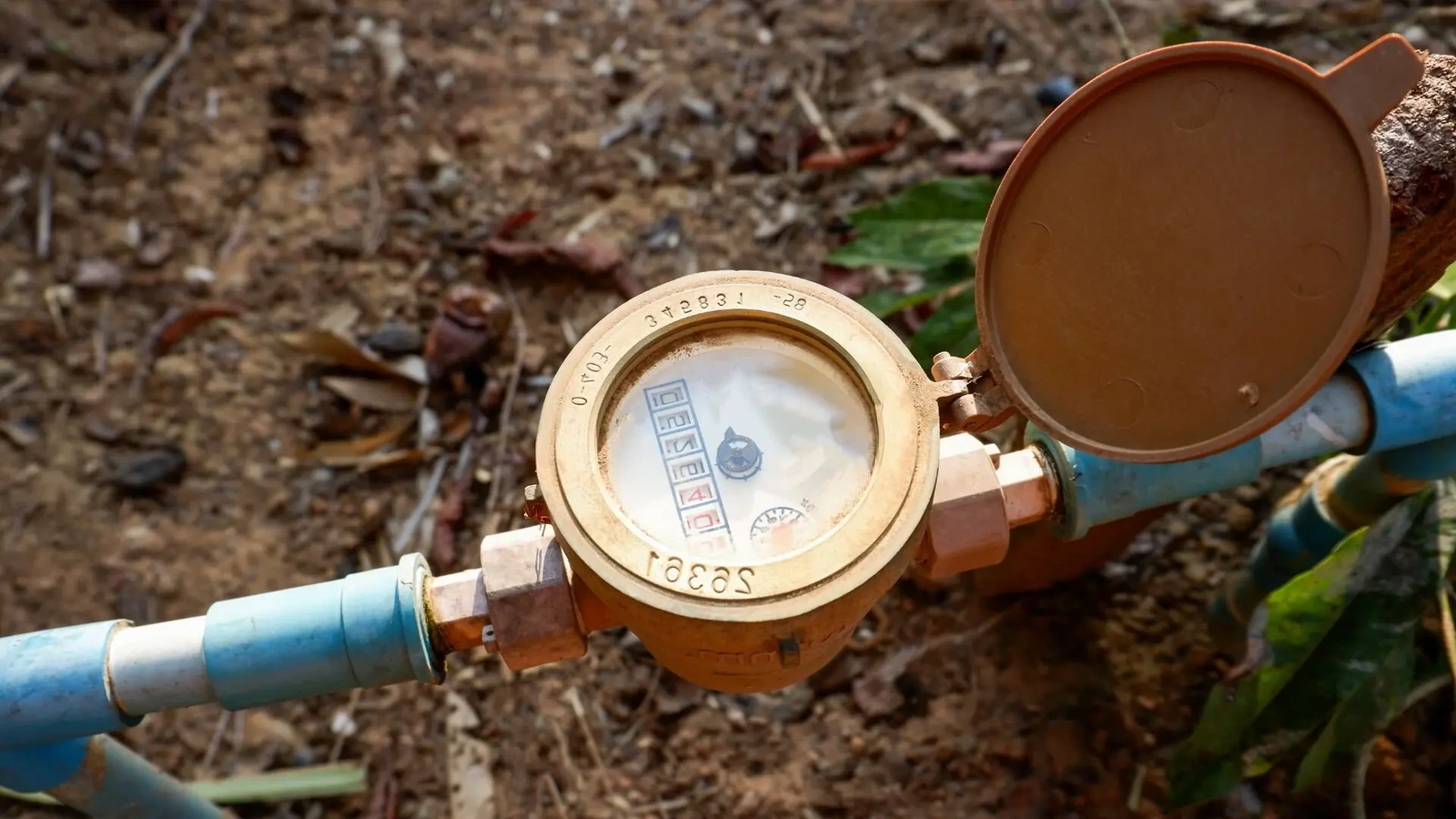
It happens less often than leaks, but meters do get misread, and estimated bills — issued when a meter cannot be read — can be corrected later in ways that make a single bill look alarming. A reading error in either direction eventually corrects itself, but the month it lands can be confusing.
What it tends to look like: a single anomalous bill with usage wildly out of line with your history, followed by a return to normal — or a credit on the next bill.
What to do: check whether the bill says "estimated." If so, or if the usage number looks impossible for your household, contact your water provider and ask for a re-read.
8. A Leak on the Service Line
The service line — the pipe running from the meter to your house — is your responsibility in most cases, and a leak there is invisible by definition. Water escaping underground may never surface, or it may show up only as a persistently soft patch of soil or unexplained greenery along the line's path.
What it tends to look like: a sustained increase with no indoor symptoms at all. If your indoor fixtures all check out and irrigation is off, the service line moves up the suspect list.
What to do: this one is hard to investigate yourself. If you have ruled out the other causes, a professional assessment is the sensible next step — our water leak detection services page explains how whole-property investigations are handled. Call (512) 729-5265 to discuss your situation.
Prevention: Keeping Future Bills in Check
Once you have identified the cause, a few habits help keep bills predictable going forward:
- Know your baseline. Glance at usage each month, not just the dollar total. Familiarity with your normal range is what makes abnormal jumps obvious early.
- Adjust irrigation seasonally. Lawns need far less water in cool months. Reviewing the controller schedule twice a year prevents the slow creep of over-watering.
- Fix small fixture issues promptly. A dripping faucet or a toilet that runs occasionally is easy to postpone and expensive to ignore.
- Walk your property periodically. A quick look at the yard, the meter box area, and under sinks every month or two catches problems while they are small.
- Insulate exposed pipes before winter. Burst pipes from a freeze are a dramatic — and entirely preventable — cause of bill spikes. Our guide to freeze protection for Kyle homes covers the seasonal prep that matters here.
When to Call a Professional
DIY investigation has its limits, and knowing where yours are saves both time and money. Consider calling a professional when:
- The increase is sustained and you cannot find an explanation after checking the items above.
- You suspect a hidden leak — under the slab, inside a wall, or on the service line.
- You hear running water when nothing is in use.
- The bill keeps climbing while your usage habits have not changed.
- You want an informed second opinion before authorizing repair work.
A professional assessment narrows the search systematically instead of by guesswork. If you want to run the hands-on diagnostic checks yourself first — including the meter test that confirms whether water is actually escaping — our step-by-step post on tracking down a high water bill from a possible leak walks through the procedure in order. To understand what that visit involves, read our guide on how leak detection works. And if you are weighing the investment, our leak detection cost guide explains the factors that shape pricing.
The Bottom Line
A high water bill is a symptom, not a diagnosis — and in Kyle, the range of possible causes runs from a ten-dollar toilet part to a hidden underground leak. The smart approach is to sort the possibilities: check the easy household explanations first, compare usage rather than just totals, and call in a professional when the trail points somewhere you cannot see. The sooner you act, the less water — and money — goes out the door.
If your bill is climbing and you have ruled out the simple stuff, call (512) 729-5265 to discuss your situation. You can also browse all of our homeowner resources in the guides section.
Frequently Asked Questions
What is the most common cause of a high water bill?
Across most homes, the leading suspects are toilet leaks, irrigation issues, and hidden plumbing leaks. Seasonal usage changes and rate adjustments are the most common non-leak explanations. The pattern of the increase — sudden versus gradual — helps narrow it down.
My bill doubled but I changed nothing. What should I check first?
Check for a running toilet and review your irrigation schedule, since those are the two fastest to verify. Then compare the usage in gallons against the same month last year to see whether the jump is real usage or a rate or meter issue.
Can a small leak really cause a big bill increase?
Yes. A leak that runs continuously adds up over a full billing cycle in a way that intermittent use does not. Even a slow, steady loss can move a bill noticeably over 30 days, which is why sustained increases deserve attention.

Should I call my water company or a leak detection professional first?
It depends on what you see. If usage looks wrong or the bill says "estimated," call the utility first. If usage is genuinely up and you cannot find the reason, a professional assessment is the next step.
How can I tell if my irrigation system is the problem?
The seasonal pattern is the biggest clue: bills that rise when the system runs and fall when it does not. Walking the zones while they operate and checking the controller schedule will usually confirm or rule it out.