

Looking for Slab Leaks Clay Soil? Many Kyle homes sit on concrete slab foundations, and many of their water lines run through or beneath that slab. That design is fine — until the ground underneath starts moving. Kyle sits on expansive clay soil, the kind that swells dramatically when wet and shrinks when dry. Every seasonal swing flexes the slab, and every flex stresses the rigid copper or PEX lines buried in it. Understanding the connection between slab leaks and clay soil is the first step to catching one early. EPA WaterSense
This guide explains the soil-slab-pipe connection, the warning signs of a slab leak in a clay-soil market, and how under-slab leaks get located without tearing up your floors. Many homeowners searching for Slab Leaks Clay Soil start by checking the signs listed above.
Slab Leaks Clay Soil: Why Kyle's Clay Soil Moves (and Stresses Pipes)
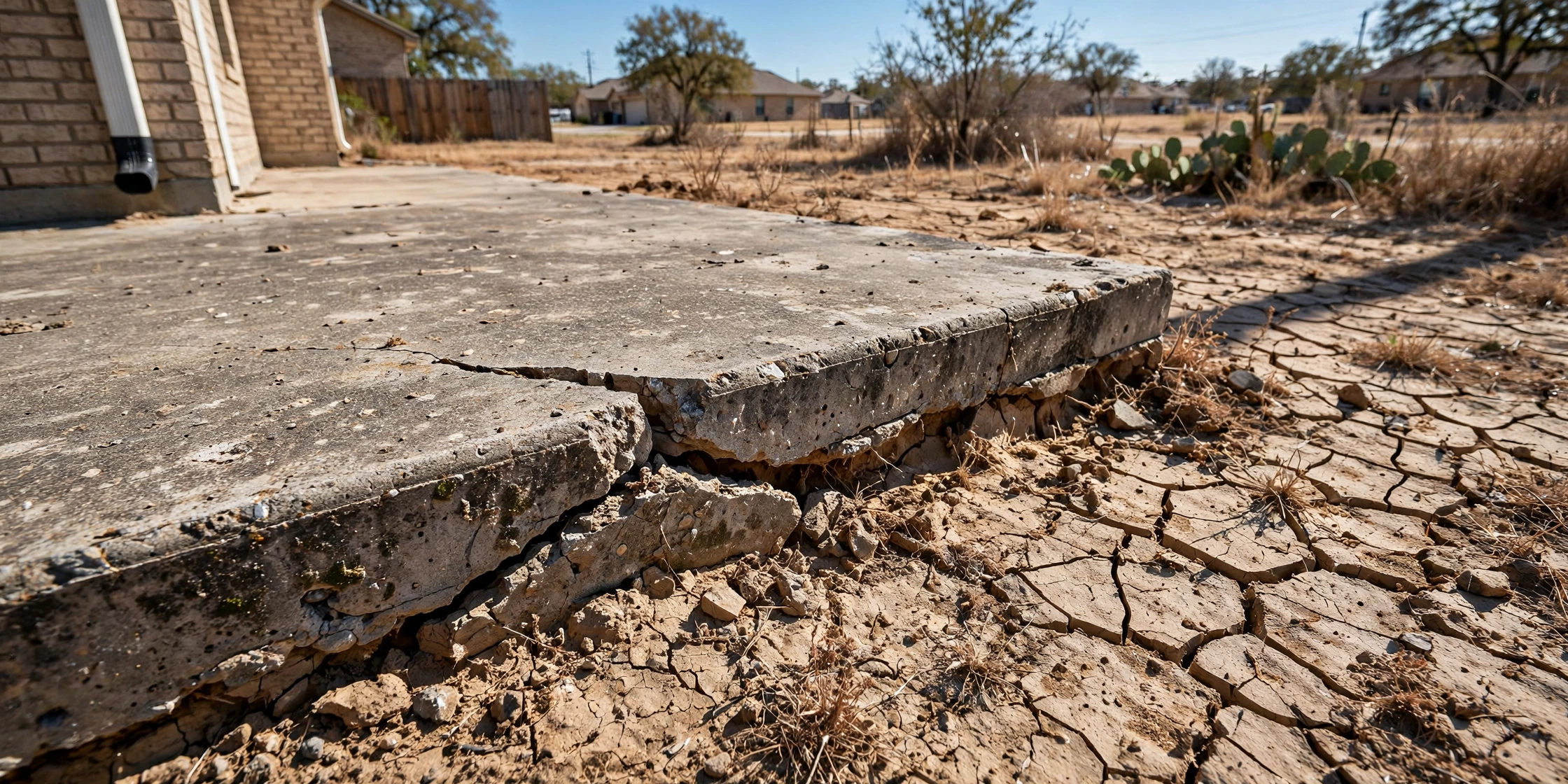
Central Texas clay (part of the famous Blackland Prairie soils) contains minerals that absorb water like a sponge. The cycle works like this: If you need Slab Leaks Clay Soil, calling early usually saves money compared to waiting.
- Wet season / leak saturation: clay absorbs water and expands, pushing upward unevenly — whichever area gets wettest lifts most.
- Dry season: clay loses moisture and shrinks, sometimes opening visible gaps between the soil and the foundation edge.
- Repeat for years: each cycle flexes the slab slightly. Concrete is strong but brittle; repeated flexing cracks it and, more importantly, works the pipe joints and bends embedded in it.
A single season won't break a pipe. But a decade of swell-shrink cycles — plus one unusually wet spring or one leaking line keeping one zone permanently saturated — can fatigue fittings until a joint weeps, then drips, then flows. Our Slab Leaks Clay Soil process is straightforward and explained in plain language.
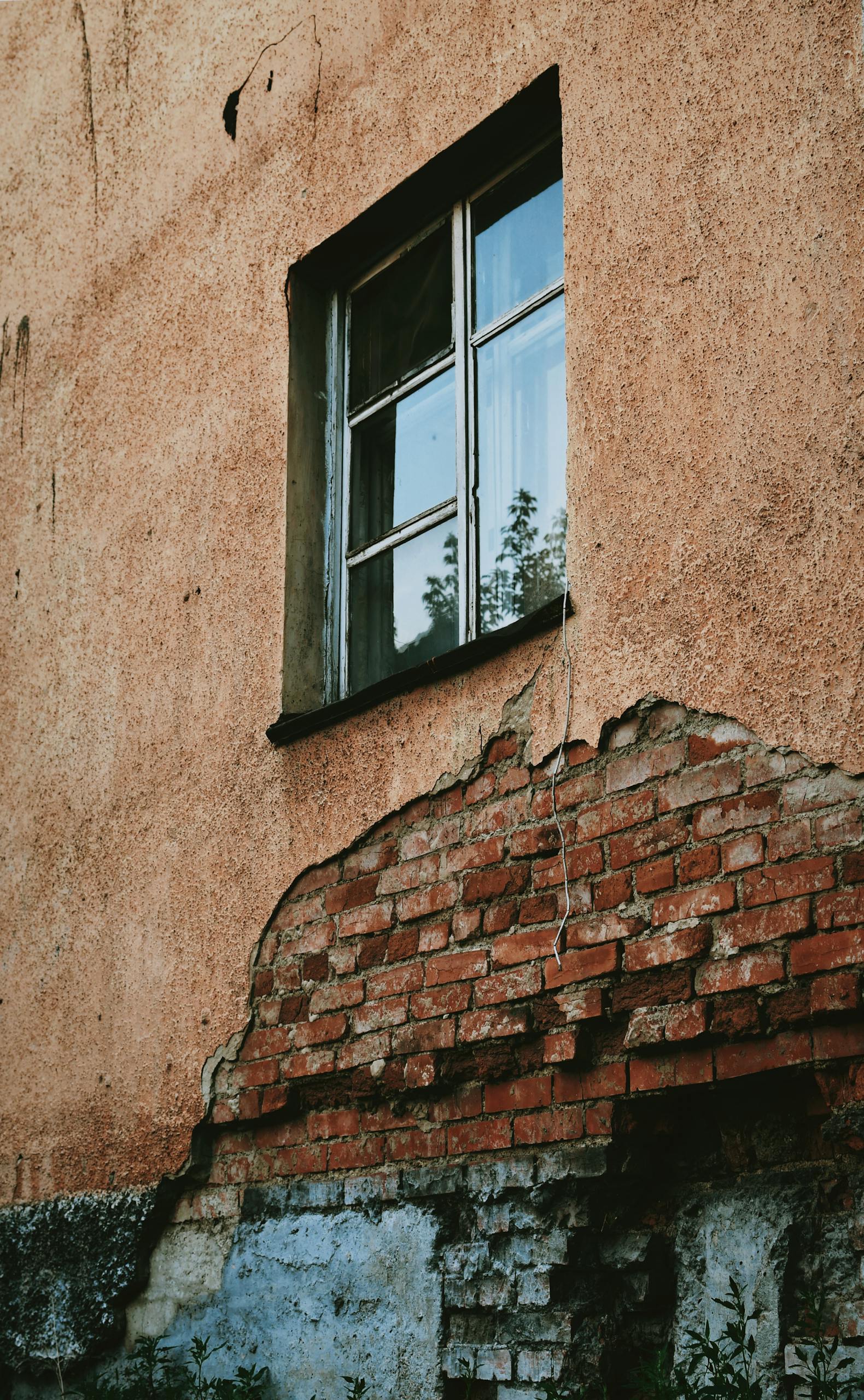
The cruel feedback loop: a small slab leak wets the clay, the clay swells and lifts the slab unevenly, the movement stresses the pipe further, and the leak can grow. Catching it early breaks the loop. For Slab Leaks Clay Soil, the first step is always understanding your symptoms.
Slab Leak Warning Signs (Clay-Soil Edition)
Standard slab leak signs, with the Kyle-specific twists:
- A warm patch on the floor. Walk barefoot: a hot-water line leak warms the concrete above it. No vent nearby + rising water bill = investigate now.
- The sound of running water when everything is off — loudest at night, often near bathrooms or the water heater wall.
- Water bill climbing with no change in habits. See our high water bill guide for the meter test that confirms it.
- Doors and windows that suddenly stick. Uneven slab lift from saturated clay racks door frames first. If a door that worked fine last month now won't latch, the foundation moved — and a leak is a prime suspect for why.
- New cracks in brick veneer or interior drywall, especially stair-step cracks in mortar or cracks above door frames.
- Damp carpet or flooring along exterior walls, or mildew smells with no visible source.
- Low water pressure in one area of the house — a significant leak bleeds off pressure before it reaches the fixtures.
- The water heater running constantly, particularly with a higher gas or electric bill — it may be replacing hot water lost to a hot-side slab leak.
Two or more of these together is a strong case. One warm floor patch alone might be nothing; a warm patch plus a climbing bill plus a sticking door is a pattern. We provide Slab Leaks Clay Soil for homes across the Kyle area.
How Under-Slab Leaks Are Found
Breaking concrete to "have a look" is the most expensive possible way to find a leak. The professional sequence is: Questions about Slab Leaks Clay Soil? The sections above cover the most common ones.
- Confirm the leak first — comparing meter readings and isolating lines to identify whether the hot or cold side is losing water, and which fixture run is involved.
- Narrow down the area — listening and scanning techniques locate the leak's signal through the slab, narrowing the search to a small area of floor.
- Confirm the location — cross-checking readings to settle on the most likely spot before anything is marked.
- Mark it for the plumber — so the repair opens one small section of slab, not a trench across the room. Our how detection works guide covers each method in detail.
New Construction vs. Older Kyle Homes
The soil doesn't care how old your house is, but the risk profile differs: Professional Slab Leaks Clay Soil helps you avoid guesswork and unnecessary repairs.
- Newer homes (under 10 years): the fill soil around and under the foundation is still settling, which shifts buried lines. Construction-era issues — a kinked PEX run, an over-tightened fitting, a rock pressed against a pipe — tend to fail early. If a young home shows slab-leak signs, suspect installation stress plus settling.
- Older homes (20+ years): copper lines have endured decades of swell-shrink flexing. Pinhole leaks from the inside (water chemistry) combine with fatigue from the outside (soil movement). In these homes, one slab leak can mean the system is entering its failure window — after detection and repair, ask your plumber for an honest assessment of the remaining lines.
Either way, the detection process is the same: confirm, isolate, narrow down, and mark the location. Age changes the odds, not the process.
What Happens After Detection
Detection ends with a marked location and a clear explanation of the findings. What comes next is the plumber's domain, and it's worth knowing the options so you can have an informed conversation:
- Spot repair: open the slab at the mark, fix the section, patch the concrete. Least invasive when the rest of the line tests sound.
- Reroute: abandon the under-slab line and run a new line overhead through walls or attic. Common when lines are old and multiple leaks are likely.
- Repiping: for homes with systemic pipe failure, replacing runs entirely.
We focus on detection — locating the leak accurately so the repair decision (and the repair itself) rests on solid information. If your home needs slab leak detection in Kyle or water line leak detection, that's our specialty.
Prevention in Clay Country
You can't change the soil, but you can reduce the movement:
- Keep soil moisture consistent around the foundation. Soaker hoses in dry months prevent the extreme shrinkage that opens gaps; proper drainage and gutters prevent the saturation that swells clay. Consistency is the goal — not wet, not dry, but even.
- Fix exterior leaks fast. A dripping hose bib or a leaking irrigation line near the foundation feeds exactly the uneven saturation that lifts slabs.
- Watch the gaps. If you see soil pulling away from the foundation edge in summer, that side is shrinking — even, slow watering closes the gap before the fall rains slam it the other way.
- Know your plumbing's age. Older copper under slabs in 20+ year-old Kyle homes deserves a periodic meter-test check even with no symptoms.
Related: slab leak detection in Kyle · water line leak detection · Steeplechase leak detection · Waterleaf leak detection · browse all guides
Frequently Asked Questions
Does Kyle really have expansive clay soil?
Yes — much of the Kyle area sits on the clay soils of the Blackland Prairie region, known for dramatic swell-shrink behavior. It's the reason foundation movement is such a common local issue, and why slab leaks deserve extra attention here.
How do I know if it's a slab leak or just foundation settling?
Settling alone doesn't move your water meter. Run the 15-minute meter test with everything off — if the meter moves, water is escaping, and it's a leak, not just settling. Sticking doors plus a climbing bill is the classic combination.
Will finding a slab leak require tearing up my whole floor?
No — that's the point of professional detection. The location is narrowed to a small, marked area, so the repair opens one section. Random exploratory demolition is what happens without detection.
Are slab leaks covered by insurance?
The resulting sudden water damage often is; the pipe repair itself usually isn't; long-running gradual leaks are typically excluded. Our insurance guide walks through the distinctions — and remember, that's general information, not advice; check your own policy.
How much does slab leak detection cost?
It varies with access and complexity — see our cost guide for Kyle for ranges. Whatever it costs, it's a fraction of exploratory concrete removal in the wrong spot.
My home is only 10 years old — can I still get a slab leak?
Yes. Soil movement doesn't wait for pipes to age, and construction-era issues (a kinked line, a stressed joint) can fail early. Age raises the odds, but youth isn't immunity — the meter test works the same at any age.
Warm floor, climbing bill, sticking doors? That's the slab-leak pattern — call (512) 729-5265 to discuss your situation before anyone breaks concrete.