Gas Leak vs Water Leak: How to Tell the Difference in Kyle TX
It usually starts the same way. You walk into the kitchen or the laundry room and something is not right: a strange smell, a brown patch of lawn that appeared overnight, or a faint hissing sound you have never noticed before. Your first thought is a water leak — but a quieter, scarier thought follows:…
It usually starts the same way. You walk into the kitchen or the laundry room and something is not right: a strange smell, a brown patch of lawn that appeared overnight, or a faint hissing sound you have never noticed before. Your first thought is a water leak — but a quieter, scarier thought follows: could this be a gas leak?
A water leak can soak your walls and wreck your flooring if you ignore it for weeks. A gas leak can turn dangerous in minutes. Getting it wrong costs money; getting it badly wrong can cost lives. This guide helps you tell the difference fast.
One thing up front: this site is a water leak detection service for Kyle, not a gas company, and we do not handle gas lines. Because the question of gas leak detection Kyle TX comes up whenever a homeowner hears hissing or smells something odd, we want you to act safely first — then, if your problem turns out to be water, that is where we can help. In subdivisions like Plum Creek, Six Creeks, Crosswinds, Steeplechase, and Waterleaf, gas and water lines often run through the same walls, floors, and yards.

Gas Leak Detection Kyle TX vs Water Leak Detection: The Telltale Signs
Most people searching for gas leak detection Kyle TX really want one answer: is this gas or is this water? Compare what you see, hear, and smell against this table.
| Clue | Gas leak sign | Water leak sign |
|---|---|---|
| Smell | Rotten egg or sulphur — utilities add mercaptan to odourless gas. The most reliable gas indicator. | Damp, musty, earthy — mould or mildew where water sits. No sulphur note. |
| Sound | Hissing, whistling, or roaring near a gas line, meter, or appliance, with no water in sight. | Dripping, trickling, or running water behind walls or under floors when no taps are on. |
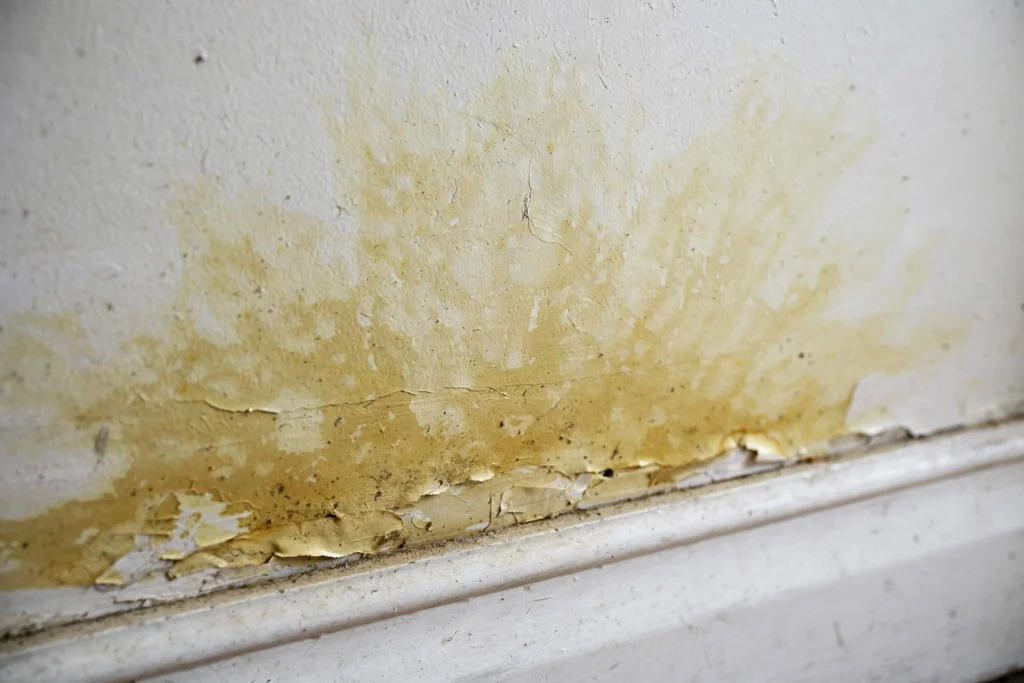
| Indoors | Very little to see — gas is invisible. Dust may blow up where it escapes under the slab. | Stains on ceilings or walls, bubbling paint, warped flooring, puddles, warm floor spots. |
| Outdoors | Dead, brown grass in an otherwise healthy lawn — gas kills vegetation from below. | Soggy patches, standing water, or one spot of unusually lush grass. |
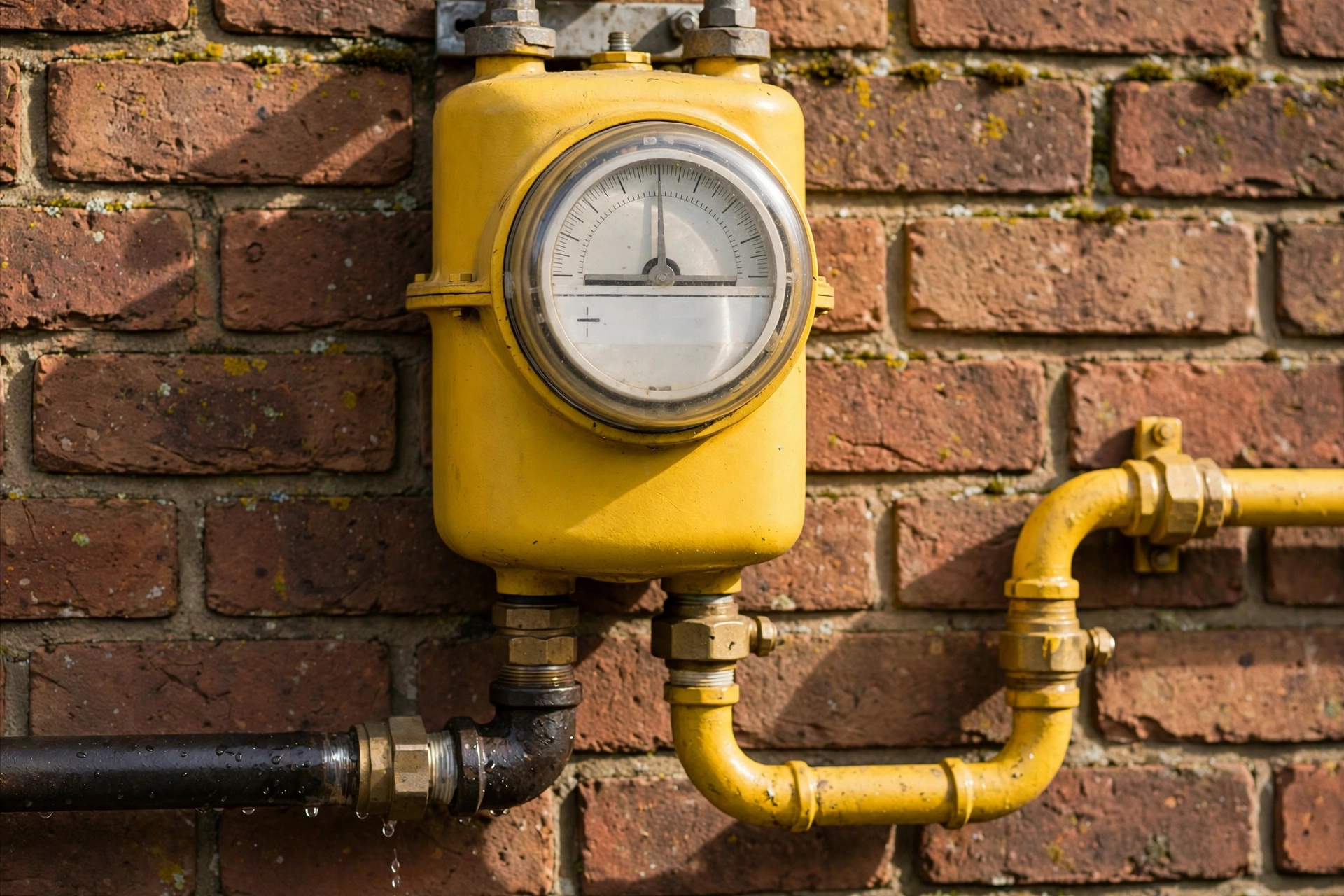
| Location | Near the gas meter, furnace, water heater, fireplace, stove, or gas service line. | Near bathrooms, kitchens, laundry, water heaters, irrigation lines, or the main water line. |
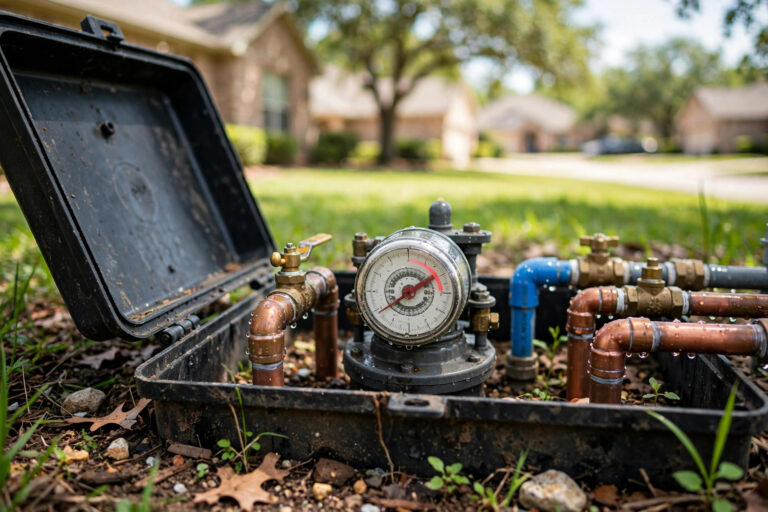
| Meter | Gas meter dial moves with every gas appliance off. | Water meter dial moves with every tap off — the classic water leak test. |
If You Suspect a Gas Leak: Leave First, Ask Questions Later
This section reflects general safety guidance, not our trade — we do not locate or repair gas leaks. If you smell rotten egg or sulphur, hear hissing near a gas line, or feel dizzy in a way that clears outdoors:
- Leave the house immediately. Do not open windows, collect valuables, or investigate. Get everyone — people and pets — out and upwind.
- Do not flip switches or use electrical appliances. A spark from a switch or a plugged-in phone can ignite gas.
- Do not use a phone near the leak. Wait until you are a safe distance away — across the street is a good rule — before calling anyone.
- Call your gas provider’s emergency line first. The number is on your bill and usually on the meter. Report the smell and your address.
- Then call emergency services if the smell is strong or anyone feels ill — and do not go back inside until they say it is safe.
Never hunt for the leak with a flame, and never assume it is “probably just the sewer” — sewer smells can carry a sulphur note too. When in doubt, treat it as gas.
If It’s Water: The Signs You Can Handle at Home
Once the rotten-egg smell is ruled out, the urgency drops — but the repair clock is still ticking.
Stains and discolouration
Water leaves a trail: yellowish-brown stains on ceilings and walls, bubbling paint, wallpaper pulling away at the seams — often far from the actual leak, because water travels along framing before it shows itself.
Warped floors and warm spots
In Kyle’s slab-on-grade homes, a leaking pipe under the foundation often announces itself through the floor — buckling laminate, tile grout that stays dark, or a warm spot above a hot water line.
Musty smells
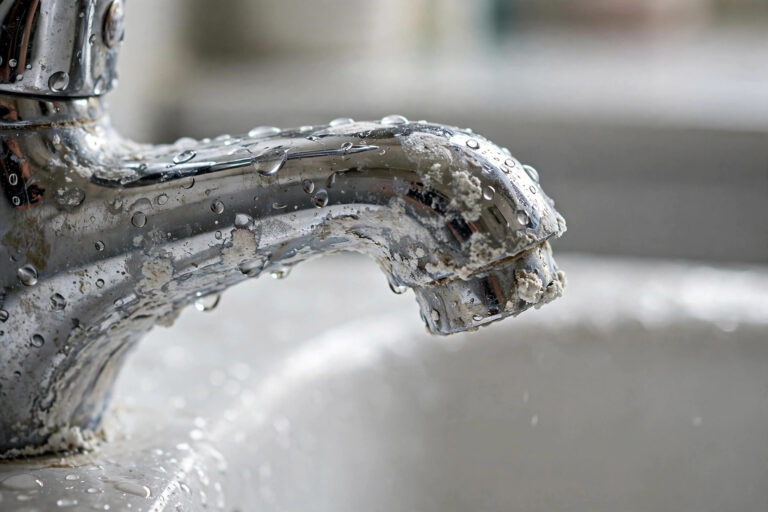
A damp, earthy smell that never quite goes away — especially in a bathroom, laundry room, or closet — usually means water is sitting where it should not be. Musty is soft and organic; the sulphur note of gas is sharp and chemical.
A climbing water bill
A common way Kyle homeowners discover hidden leaks is the water bill. If usage jumps while your habits stay the same, run the meter test: turn off every tap, note the reading, wait a couple of hours, and check again. If the dial moved, you have a leak — and our water leak detection in Kyle TX service finds leaks this test proves but your eyes cannot.
Shut Off Your Main Water Valve When It’s Actively Leaking
If water is visibly flowing — a burst supply line, a split washing machine hose, a steadily dripping ceiling — do not wait for a professional. Find your main water shutoff valve and turn it off first.
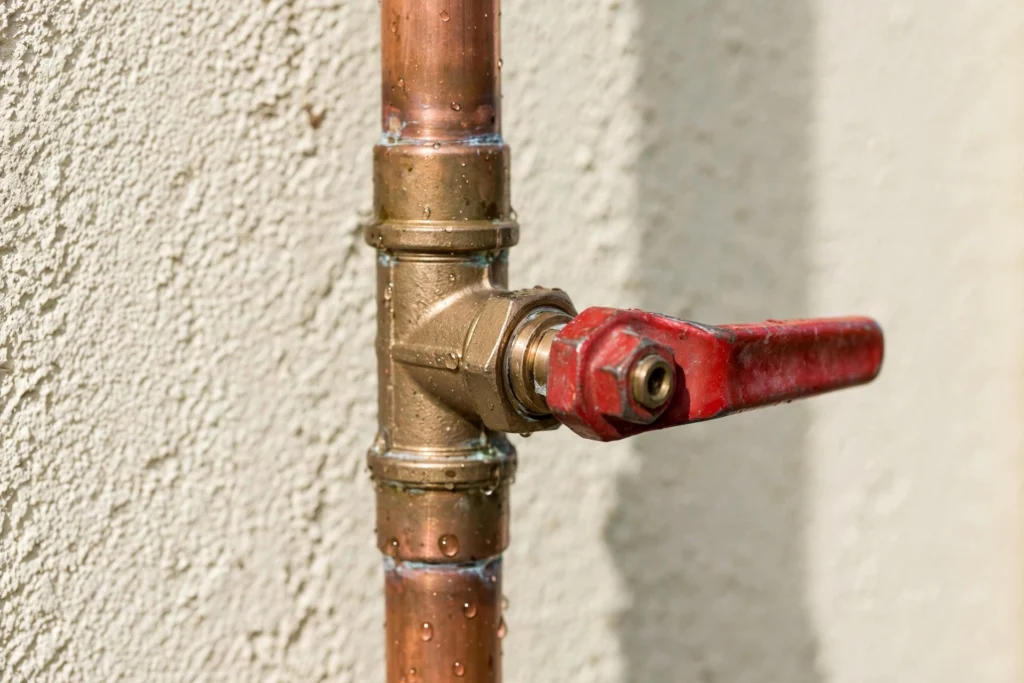
In most Kyle homes the shutoff is where the water line enters the house — often the garage or near the water heater — or at the curb stop by the meter box. Turn a round valve clockwise until it stops; turn a lever handle a quarter-turn.
- Find the valve before you need it. Older valves can be stiff — check yours this weekend, not mid-leak.
- Know which valve is which. A separate irrigation shutoff does not stop a leak inside the house.
- After shutting off, open a tap at the lowest point in the house to drain remaining pressure and slow the drip.
- Do not touch the gas shutoff unless told to. Only the gas company or emergency responders should handle it.
When It’s Ambiguous: The Smell Test and the Meter Test
Sometimes the signs refuse to line up: an odd smell that is not quite rotten egg, a hissing sound near a damp spot.
The smell test. Step outside for a minute, then walk back in. A sulphur or rotten-egg smell on re-entry is the hallmark of mercaptan in natural gas — treat it as gas and leave. A musty smell that builds slowly is water and mould. If you still cannot name it, treat it as gas.
The meter test. From a safe position, check your water meter: a moving dial with everything off confirms a water leak. But it does not rule out a gas issue too — never ignore a sulphur smell just because the water meter is moving.
The appliance angle. Did the smell start after using the stove, fireplace, or water heater? A pilot light that went out can release unburned gas. If the smell is strong, skip the detective work and leave.
Who to Call: A Simple Decision List
- Rotten-egg smell, hissing near gas lines, dizziness that clears outdoors → Leave. Call your gas provider’s emergency line from a safe distance. We do not handle gas leaks.
- Water actively flowing indoors → Shut off your main water valve, then call a plumber. Cannot find the source? Call us.
- Stains, warping, musty smell, or a climbing bill with no visible source → The classic hidden water leak. Our Kyle water leak detection service pinpoints the source so a plumber fixes it in one visit.
- Water emergency at night or on a weekend → Our emergency leak detection in Kyle TX handles urgent water situations. Gas emergencies always go to the gas provider first.
- Sewer smell, no sulphur note → Usually a dry drain trap — run water in unused drains. If you cannot tell it from gas, treat it as gas and leave.
- Dead grass patch, no moisture, no smell indoors → Any gas odour means calling the gas provider; no gas odour means a water line assessment is next.
Frequently Asked Questions
Can a water leak smell like gas?
Occasionally. Sewer gas and drain bacteria can produce a sulphur-like note that mimics mercaptan. If you cannot tell them apart, treat it as a gas leak: leave and call your gas provider from outside.
Do you offer gas leak detection in Kyle TX?
No. We specialise in water leak detection for Kyle homes — hidden leaks in walls, slabs, and yards. We do not work on gas lines and do not offer gas leak detection Kyle TX as a service. If you suspect a gas leak, call your gas provider and leave the building.
How can I tell if the hissing sound is gas or water?
Hissing near the gas meter, furnace, or stove with no water present points to gas — leave and call the gas provider. Hissing inside a wall or under a floor, especially near bathrooms, points to pressurised water. Sulphur plus hissing is gas until proven otherwise.
Should I shut off the gas myself if I smell gas?
No — leave the shutoff to the gas company or emergency responders unless they instruct you otherwise, and never turn gas back on yourself. For water the advice is the opposite: shut your main valve off immediately during an active leak.
My water bill spiked but I don’t smell gas or see water. What now?
A spiking bill with no visible signs is a classic hidden-leak presentation in Kyle. Run the water meter test to confirm it, then call for professional water leak detection — the leak is real, just somewhere you cannot see, like under the slab or inside a wall.
If It’s Water, We’re the Ones to Call
If anything pointed to gas — the sulphur smell, hissing near a gas line, symptoms that clear outdoors — the gas provider is your call. Gas is not our trade and we will not pretend otherwise.
But if the signs point to water — the stains, the musty smell, the bill that keeps climbing — that is the problem we solve every day in Kyle. Hidden water leaks do not fix themselves, and the longer they run, the more the repair costs. Call (512) 729-5265 and we will find the source so it can be fixed properly the first time.