

If you are searching for “high water pressure Kyle TX” because your pipes bang when the washing machine stops, your toilets run on their own, or someone mentioned your home’s PSI – you are asking the right question. High water pressure is one of the most misunderstood plumbing issues: invisible, easy to ignore, and quietly hard on everything it touches.
Local homeowners describe the same confusion again and again. One person hears 60 psi is normal, another hears 75, someone else says 80 – and nobody explains which number applies to their house. Then there is the worry about what fixing it costs, especially when the words “pressure reducing valve” enter the conversation. This guide clears up the numbers, the risks, and the practical next steps – in plain English, with no sales pitch.
What does “high” actually mean? Making sense of PSI
Ask three people what normal water pressure is and you may hear 60, 75, or 80 psi – and that confusion is exactly why searching for high water pressure Kyle TX advice can feel so murky. Here is the honest version: there is not one magic number every house must hit. The right pressure for your home depends on its plumbing, its fixtures, and even its elevation.
What is settled is the ceiling. Plumbing codes used across Texas cap static (standing) water pressure at 80 psi – anything sustained above that is too high by definition. Below that cap, the comfortable range varies from house to house, which is why a professional measures your actual pressure rather than guessing from a phone description.
The practical takeaway: if a gauge on your hose bib consistently reads near or above that 80 psi ceiling, you have high water pressure, full stop. If it reads in the 60s or 70s and you are seeing the symptoms below, the number alone does not settle it – the symptoms matter too.
7 warning signs your pressure is too high
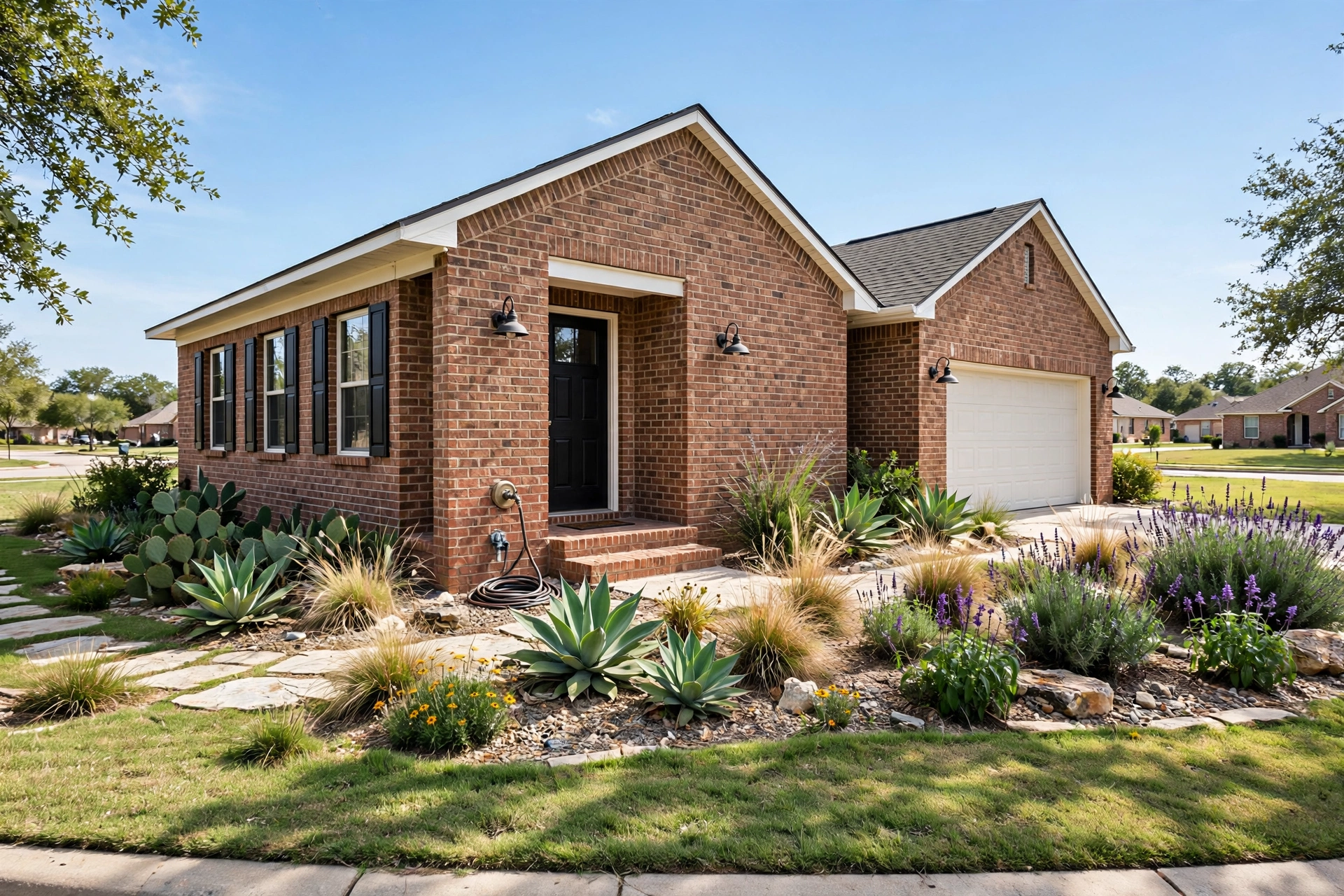
High water pressure Kyle TX homes experience rarely announces itself with one dramatic symptom. More often it is a pattern of small annoyances that add up:
- Banging or hammering pipes. A loud bang when a faucet or appliance shuts off – called water hammer – is the classic sign. High pressure makes every sudden stop hit harder.
- Toilets that run on their own. Excess pressure can force water past fill valves, so toilets mysteriously refill or never quite shut off.
- Dripping faucets and showerheads. Fixtures wear out faster under constant high pressure, and washers give up sooner.
- Pinhole leaks in copper lines. Tiny pinhole leaks are a known consequence of sustained high pressure stressing pipe walls and fittings over time.
- Failed supply lines and fittings. Flexible supply hoses, angle stops, and connections fail earlier than they should.
- A water heater that dies young. High pressure strains the tank and the temperature-and-pressure relief valve; a dripping T&P valve is worth investigating, not ignoring.
- Water bills creeping upward. Pressure does not just stress pipes – it pushes more water through every fixture, so leaks and running toilets waste more.
What causes high water pressure in the first place?
Most of the time, high pressure starts outside your home. Municipal water systems deliver water at pressures designed to serve entire neighborhoods – including homes on hills and far from the supply. If your house sits downhill from the water source or close to it, the pressure at your tap can be higher than average. If you suspect the supply is the cause, your water provider – the City of Kyle for most local homes – can tell you about typical supply pressure in your area. See cityofkyle.gov for water utility contact information.
The other common cause is closer to home: a failing – or missing – pressure reducing valve (PRV). Many Kyle homes have a PRV where the main line enters the house; its whole job is to step high street pressure down to a level your plumbing likes. If your home has one and the pressure is high anyway, the valve may be worn out or stuck – one of the most common causes of high water pressure Kyle TX plumbers investigate. If your home never had one, street pressure arrives unfiltered.
A third contributor is thermal expansion: as your water heater warms water, pressure in a closed system rises. This is why pressure problems sometimes show up alongside water heater symptoms.
What is a PRV – and what if you do not have one?
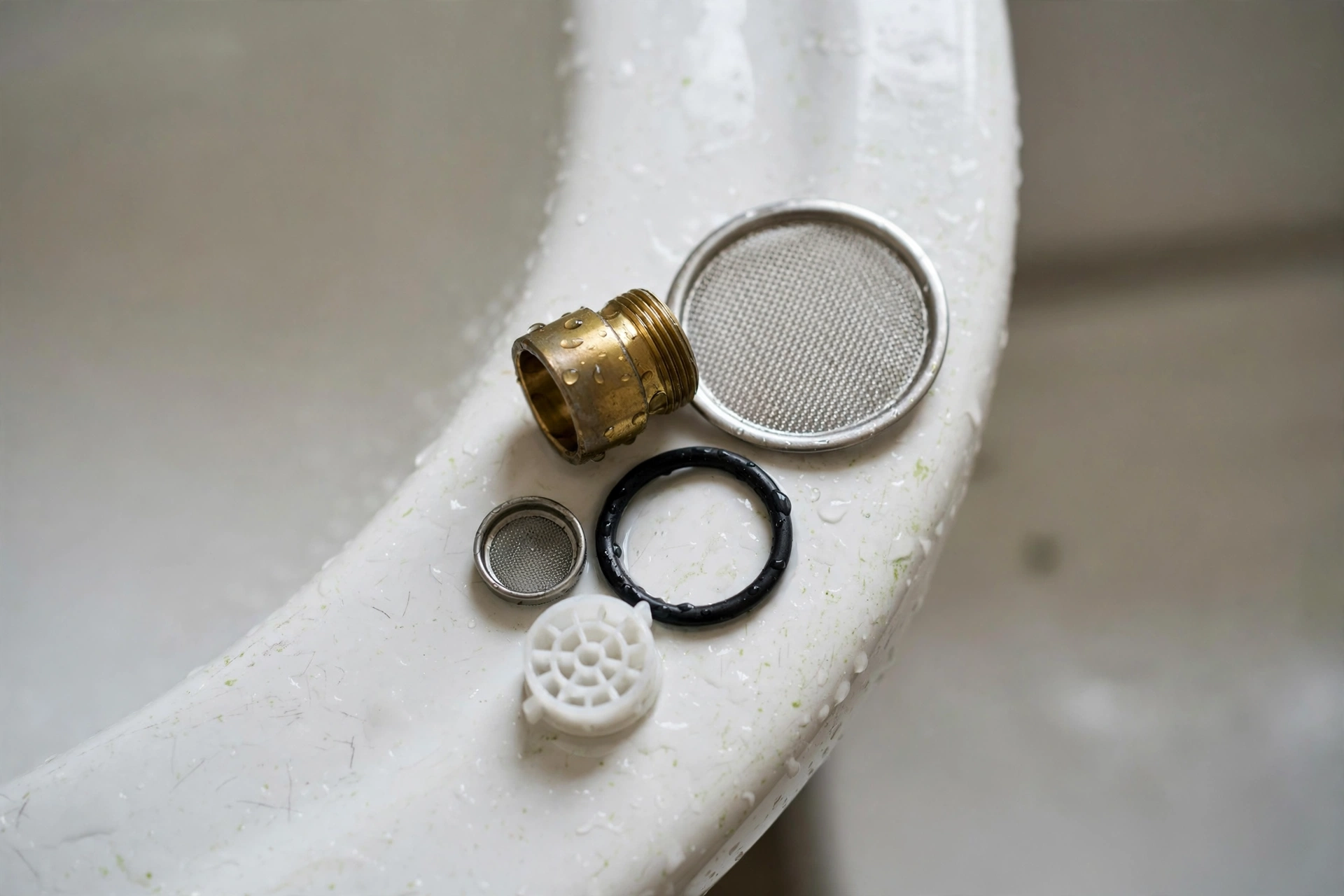
A pressure reducing valve (PRV) is a bell-shaped device, usually found where the main water line enters your home or at the meter. It takes high incoming pressure and reduces it to a steady, lower level for your household plumbing. When it works, you never think about it. When it fails, pressure creeps up – sometimes gradually, sometimes all at once.
It is natural to worry about what a PRV costs. We will not quote a number here, because the price depends on your home’s setup – where the valve goes, what has to be cut into the line, and local labor. What we will say: get it in writing. A proper quote describes the work, the parts, and what happens if the installation reveals complications. That is true for any plumbing work, and it is how you avoid the vague verbal estimates that cause so much grief.
One more note: this guide is educational only. We are a lead-generation service that connects Kyle-area homeowners with qualified independent professionals – we do not install valves or perform plumbing work ourselves, so nothing here is a recommendation for or against any particular product or installer.
How to check your own pressure in 5 minutes
You do not need a plumber for this first step – just a simple water pressure gauge that screws onto a hose bib, available at any hardware store:
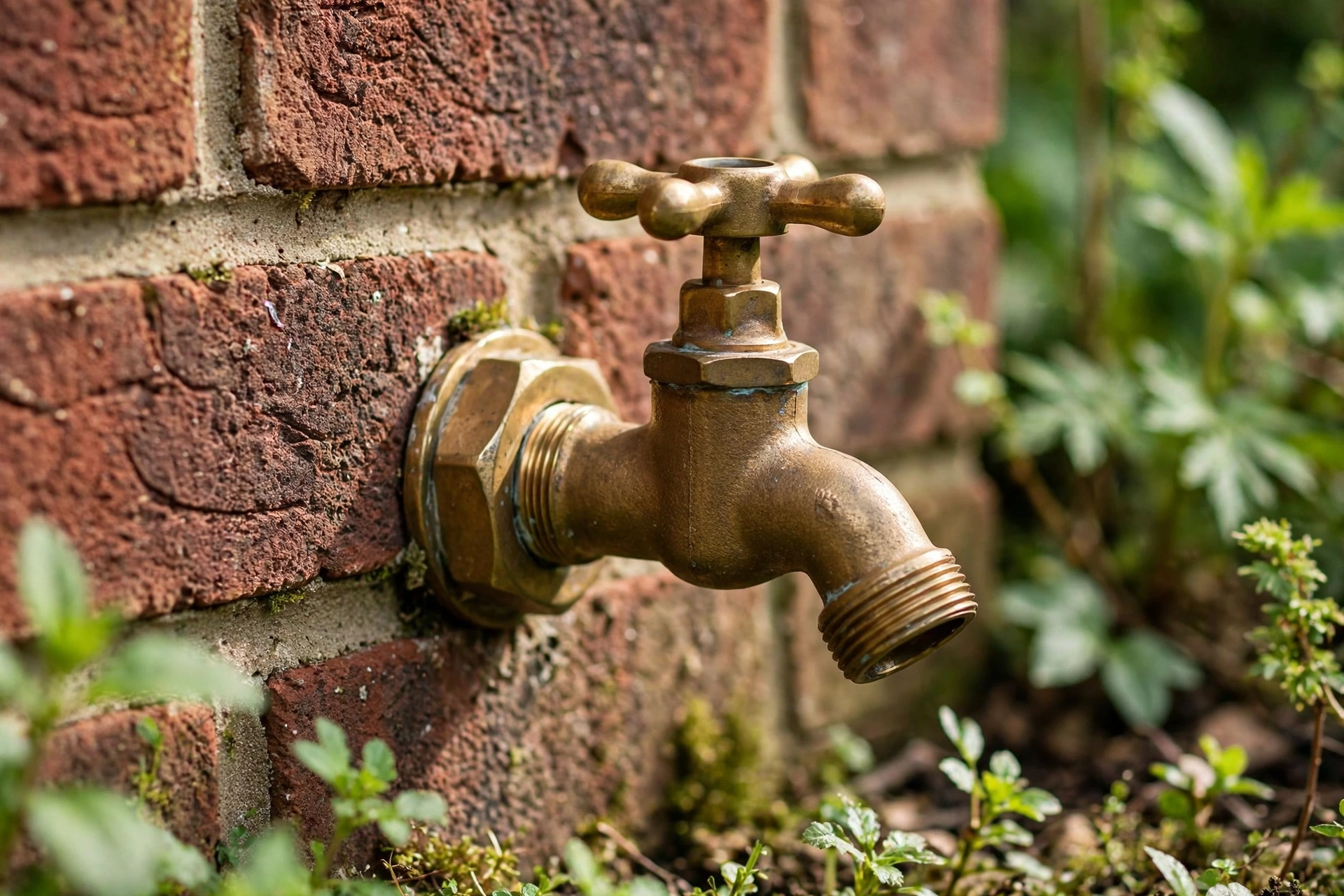
- Pick a hose bib (outdoor spigot) close to where the main line enters the house.
- Make sure no water is running anywhere in the home – no dishwasher, no sprinklers, no showers.
- Screw the gauge on hand-tight and open the spigot fully.
- Read the static pressure. Note the number, the date, and the time of day.
- For a fuller picture, check once in the morning and once in the evening – municipal pressure can vary through the day.
Write the readings down. If you end up calling a professional about high water pressure Kyle TX, those numbers – and when you took them – are genuinely useful information, not just trivia.
What to do if your pressure is high
If you confirm high water pressure Kyle TX readings on your gauge – or you recognize the warning signs above – here is a sensible order of operations:
- Verify the reading. Test twice, at different times of day, and make sure nothing was running. One odd reading is a data point; a pattern is a diagnosis.
- Look for a PRV. Check where your main line enters the house. If you find a bell-shaped valve, note its condition – corrosion or mineral buildup is worth mentioning to a pro.
- Do not ignore it. High pressure rarely fixes itself, and the damage it does – pinhole leaks, failed fittings, shortened appliance life – accumulates quietly.
- Call a qualified professional. A plumber can confirm the readings, check the PRV, and recommend the right correction for your home. Get the plan and the price in writing before work starts.
- Watch for leaks in the meantime. If high pressure has already caused a pinhole leak or a failed fitting, finding it early limits the damage. Our water leak detection service in Kyle can help track down the source.
Frequently asked questions
Common questions about high water pressure Kyle TX homeowners ask:
Is high water pressure actually dangerous?
Not to you directly – but it is hard on your home. Sustained high pressure stresses pipes, joints, valves, and appliances, shortening their service life and raising the odds of leaks. Think of it as wear and tear running at double speed.
Can high water pressure cause a slab leak?
High pressure is a stressor, not a sole cause. Slab leaks usually involve a combination of factors – pipe material, age, soil movement, and pressure. But chronic high pressure certainly does not help lines buried under your foundation. If you suspect a slab issue, read our slab leak detection guide for Kyle.
My pressure is 75 psi. Is that high?
It is below the 80 psi code ceiling, but whether it is fine for your house depends on your plumbing and whether you are seeing symptoms. This is exactly the 60-vs-75-vs-80 confusion homeowners describe. A single number does not tell the whole story – consistent readings plus symptoms do. When in doubt, have a professional measure it properly.
Can I just live with it?
You can, in the sense that nothing will explode tomorrow. But the costs show up over time: fixtures that need replacing early, a water heater that dies young, supply lines that burst at the worst moment, and water wasted through every small leak. Addressing it is maintenance, not an emergency – but it is maintenance worth doing.
The bottom line
High water pressure is a quiet problem with loud symptoms – banging pipes, running toilets, pinhole leaks, and appliances that give up early. The numbers feel confusing because there is no single perfect PSI for every home, but the approach is simple: measure it yourself with a gauge, note the symptoms, and if the two point the same direction, get a qualified professional to confirm and correct it.
And if high pressure has already caused a leak – a mysterious wet spot, a hissing wall, a bill that makes no sense – finding the source quickly limits the damage. Call (512) 729-5265 and we will connect you with a qualified local professional who can track down what high water pressure Kyle TX homes sometimes hide: the leak you cannot see yet.