Trenchless Water Line Replacement vs Digging: What’s Better in Kyle TX? (2026)
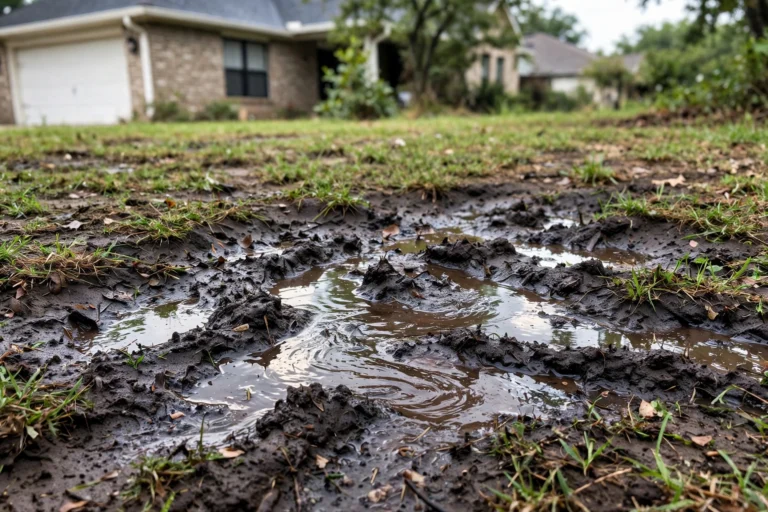
Your yard line is shot — corroded galvanized, second leak in two years — and the plumber just offered you two options: trenchless water line replacement or traditional digging. One promises your yard stays intact. The other is the way it’s been done for a century. Which one is actually better for a Kyle TX…
Your yard line is shot — corroded galvanized, second leak in two years — and the plumber just offered you two options: trenchless water line replacement or traditional digging. One promises your yard stays intact. The other is the way it’s been done for a century. Which one is actually better for a Kyle TX home?
The honest answer: it depends on your pipe, your yard, and what’s sitting on top of the line. This guide compares both methods head-to-head — real costs, real timelines, and the Kyle-specific factors (clay soil, driveways, mature oaks) that tip the decision.
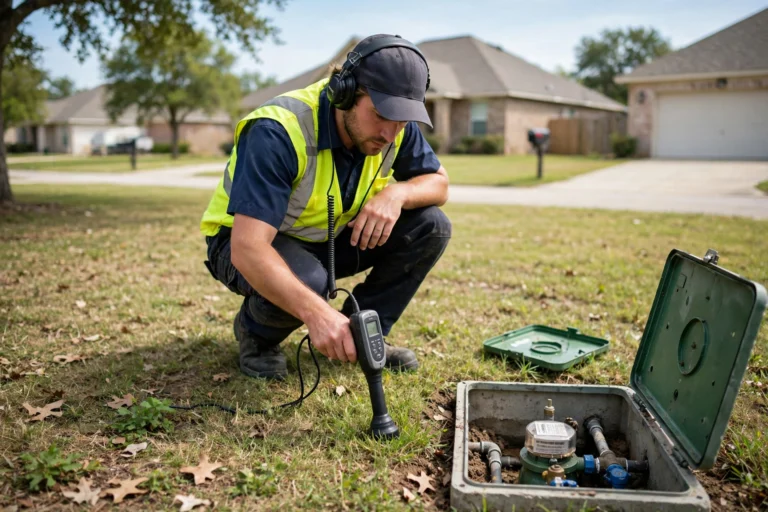
One rule before anything else: neither method should start until the leak is pinpointed. A 1–2 hour water leak detection visit in Kyle TX ($150–$400) maps the line and marks the failure — so you’re replacing the right section, not excavating on a guess. Call (512) 729-5265.
Trenchless Water Line Replacement vs Digging: Head-to-Head
| Trenchless (pipe bursting / boring) | Traditional dig-and-replace | |
|---|---|---|
| How it works | New pipe is pulled or bored through the old line’s path underground; only small entry/exit pits are dug | Open trench dug along the entire line path, old pipe removed, new pipe laid |
| Typical cost per linear foot | $75–$150/ft | $50–$250/ft |
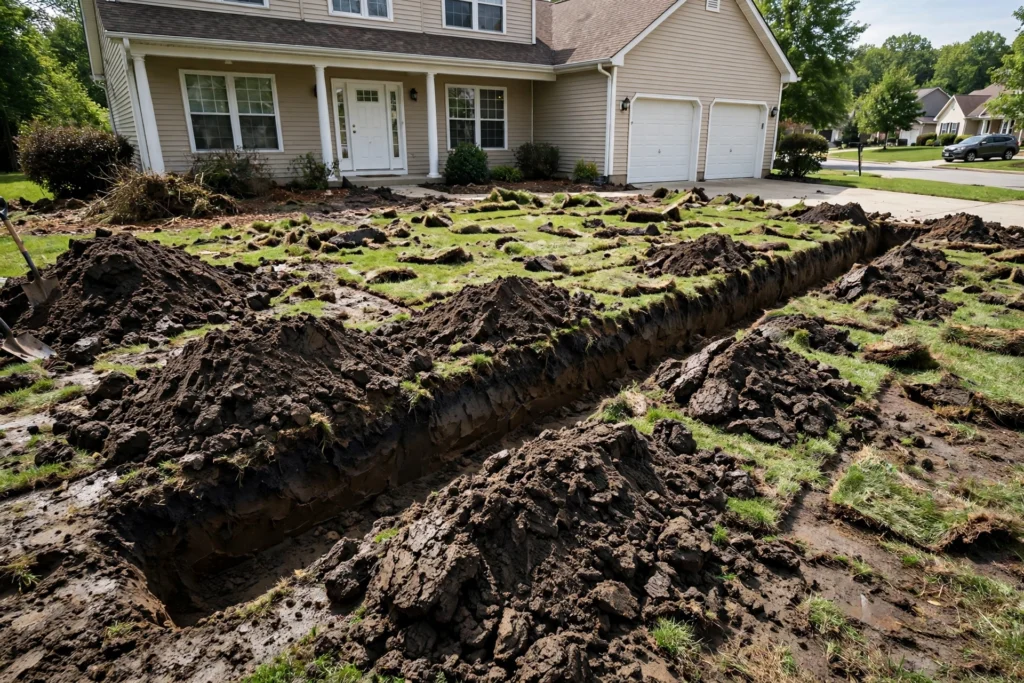
| Yard damage | Minimal — two small pits | Full trench across the yard |
| Driveway/sidewalk | Bored underneath, concrete untouched | Cut through and replaced (rarely matches) |
| Typical timeline | Usually 1 day | 1–3 days (plus restoration) |
| Landscaping restoration | Minimal | Often doubles the real project cost |
| Best for | Intact-but-failing pipe, obstacles above the line | Collapsed pipe, severe corrosion, reroutes |
Per-foot ranges are typical national figures from published home-improvement cost data; total project cost depends on length, depth, soil, and restoration.
How Trenchless Water Line Replacement Actually Works
“Trenchless” isn’t one method — it’s two, and knowing which one you’re being quoted matters:
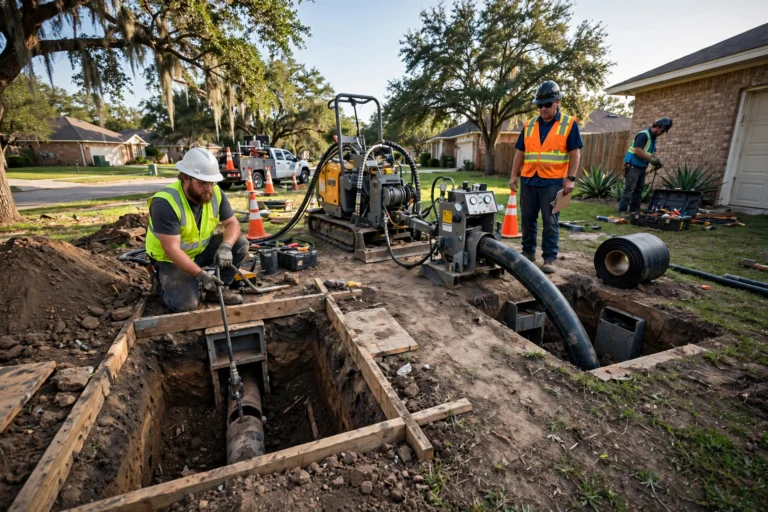
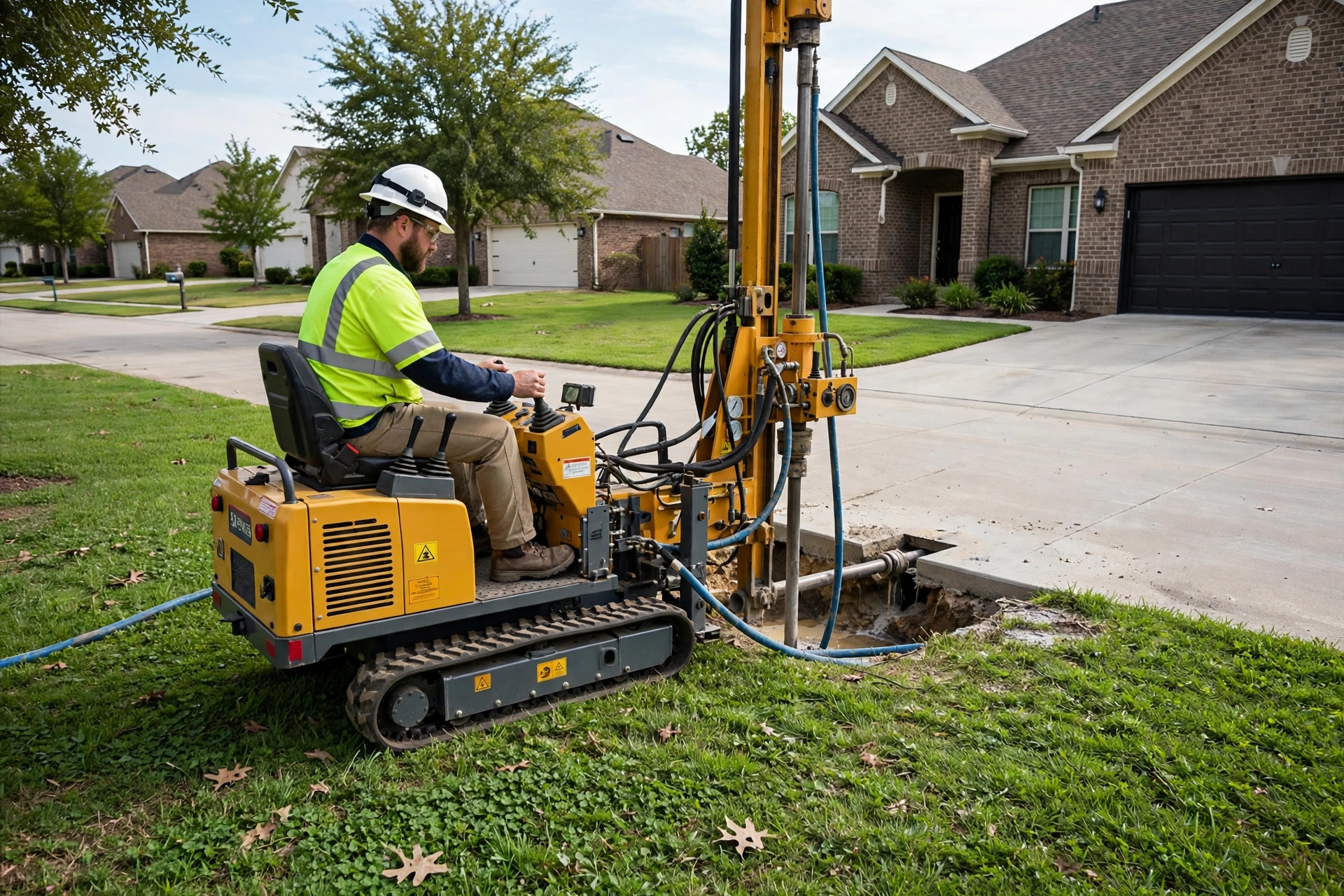
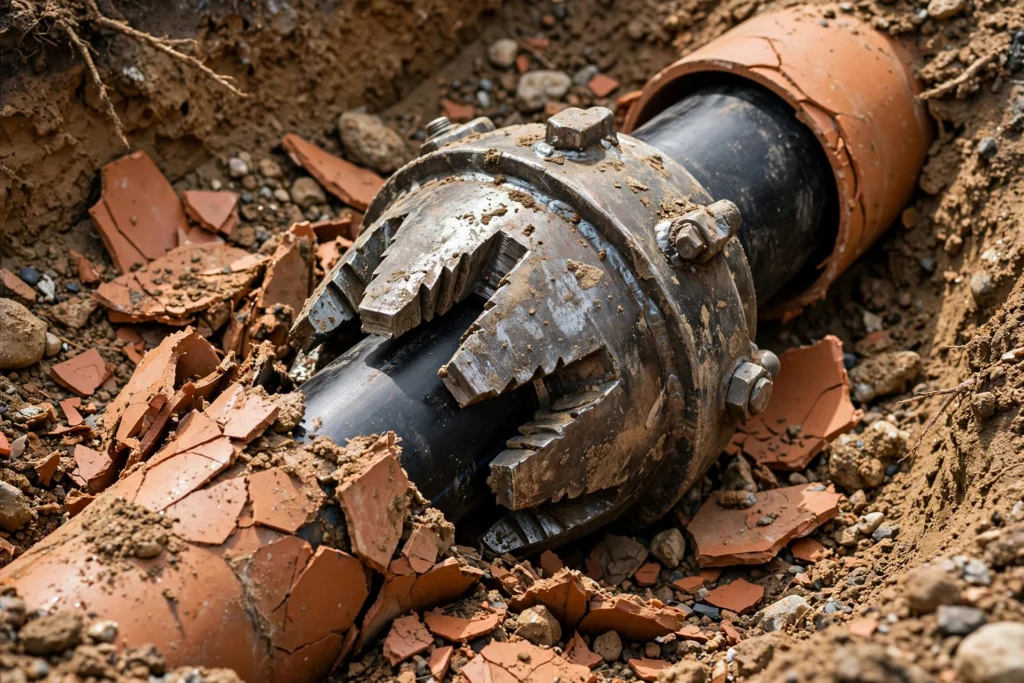
Pipe bursting: A cone-shaped bursting head is pulled through the old pipe, fracturing it outward while dragging the new pipe (usually HDPE or PEX) in right behind it. The old line becomes the pathway for the new one. Best when the old pipe is structurally intact enough to guide the head.
Horizontal directional boring: A drill bores a new underground path — often under driveways, sidewalks, or patios — and the new pipe is pulled back through. Best when the line path needs to change or obstacles sit directly above the old line.
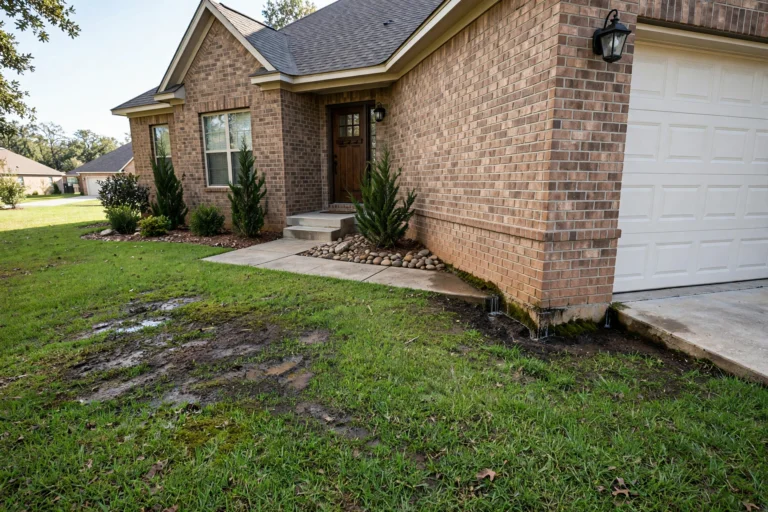
Both methods need only small entry and exit pits (typically 3×3 feet) instead of an open trench. Your lawn, flower beds, and concrete stay where they are.
When Trenchless Wins in Kyle
Trenchless water line replacement is the clear winner when:
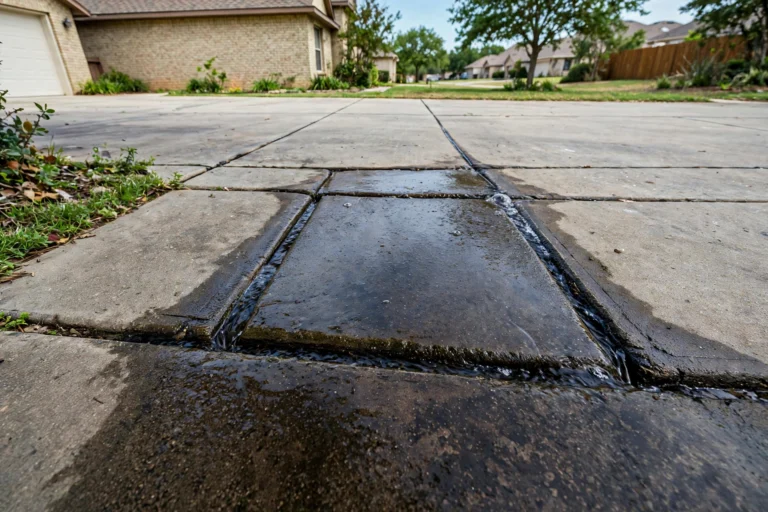
- The line runs under your driveway or sidewalk. Boring underneath costs more per foot than digging — but cutting and replacing a concrete driveway in Kyle runs hundreds to well over a thousand dollars, and the patch never matches the original pour. Trenchless skips that entirely.
- You have mature landscaping or heritage oaks. Kyle’s older neighborhoods have trees worth more than the plumbing job. Trenching through root zones can kill a mature oak; trenchless leaves roots alone.
- The yard is the point. New sod, irrigation systems, custom hardscaping — if restoring the surface costs more than the pipe work, trenchless usually wins on total project cost even at a higher per-foot rate.
- You need it done fast. Most trenchless jobs finish in a single day. If time-off-work and water-shutoff duration matter, that’s decisive.
When Digging Is Required (Trenchless Can’t Do Everything)
An honest contractor will tell you trenchless isn’t always possible. Traditional digging is required when:
- The old pipe has collapsed. Pipe bursting needs the old line intact enough to guide the bursting head. A fully collapsed or severely bellied section stops the process cold.
- The line needs rerouting. If the original path runs under a new addition, a pool, or somewhere you don’t want pipe anymore, you need a new trench on a new path.
- Soil conditions block boring. Extremely rocky substrate or unstable, waterlogged soil can defeat directional boring. (Kyle’s clay is generally good for trenchless — it holds a bore path well — but a pre-job soil check settles it.)
- Multiple utilities crowd the path. Gas, electric, and telecom lines crossing the bore path can rule it out for safety.
This is why the detection visit matters twice: it finds the leak and maps the line path, so the contractor knows before quoting whether trenchless is even feasible at your property.
The Hidden Cost Nobody Puts in the Quote
Here’s the comparison that actually decides most Kyle jobs — the restored price, not the pipe price:
Traditional digging, 60-foot line under lawn + driveway crossing: Pipe work (~$50–$150/ft for 60 ft): $3,000–$9,000… but wait. Add concrete cutting and replacement for the driveway section ($800–$2,000+), sod/landscaping restoration ($500–$1,500), and irrigation repairs ($200–$500). The “cheap” per-foot rate quietly becomes the expensive project.
Trenchless, same 60-foot line: Pipe work (~$75–$150/ft for 60 ft): $4,500–$9,000. Restoration: two small pits, a few hundred dollars of sod. Done in a day.
Run your numbers with restoration included before deciding. Ask every bidder for the restored total in writing — pipe + digging + backfill + surface restoration. That’s the only honest comparison. (More on pricing: water line leak repair cost in Kyle TX.)
Kyle Clay Soil: The Local Factor
Central Texas clay cuts both ways in this decision:
- Pro trenchless: Clay holds a bore path beautifully — better than sand, which collapses. Directional boring in Kyle clay is reliable, which is one reason trenchless has a strong track record here.
- Pro digging (sometimes): In prolonged drought, baked clay digs like concrete and slows trenching crews — but it also means the open trench walls stay stable without shoring, which simplifies the dig.
Neither factor decides the job alone, but both belong in the conversation with your contractor. If a bidder has never worked Kyle clay, that’s a red flag regardless of method.
Questions to Ask Before You Choose
- Is my old pipe a candidate for bursting, or does it need boring/a new path? (Determines which trenchless method — and whether trenchless works at all.)
- What’s the restored total? Pipe + pits/trench + backfill + concrete + landscaping + irrigation. In writing.
- How long is my water off? Trenchless: usually hours. Traditional: potentially a full day or more.
- What pipe material goes in? HDPE and PEX are the modern standards — flexible, corrosion-proof, and ideal for Kyle’s hard water (260–315 mg/L) and shifting clay.
- What’s the warranty — and does it cover the bore path? Get it in writing, not verbally.
Frequently Asked Questions
How much does trenchless water line replacement cost in Kyle TX?
Typically $75–$150 per linear foot for the pipe work (national typical range), plus minimal restoration. A 60-foot line often totals $4,500–$9,000 before restoration — compare against traditional digging’s restored total, not just its per-foot rate.
Is trenchless always better than digging?
No. Trenchless wins when the yard, driveway, or landscaping above the line is worth protecting. Digging is required for collapsed pipe, reroutes, or obstructed bore paths — and it’s the right call in those cases.
How long does trenchless water line replacement take?
Most residential trenchless jobs finish in one day, with water off for only a few hours during the switchover. Traditional dig-and-replace typically takes 1–3 days plus restoration time.
Does trenchless work in clay soil?
Yes — clay is actually good boring soil because it holds the bore path. Kyle’s Blackland clay is one reason trenchless has a strong local track record. A pre-job soil check confirms it for your property.
Will trenchless damage my driveway?
That’s the point of it — directional boring goes under the driveway, so the concrete is never touched. No cutting, no patching, no mismatched concrete.
Get the Detection Report First, Then Decide
Trenchless water line replacement vs digging isn’t a guess — it’s a decision you make after knowing the line’s path, depth, condition, and what’s above it. All of that comes from the detection visit. (For household water-saving tips while you plan, see the EPA’s WaterSense program.)
Call Kyle Leak Detection Pros at (512) 729-5265. $150–$400, a mapped line, a marked failure point — and then you can get honest trenchless-vs-digging quotes for the real job. For the under-slab version of this comparison, see tunneling vs trenching for slab leaks.