

Why Hidden Leaks Speak in Signs, Not Announcements
A burst pipe announces itself. A hidden leak does not. Water escaping inside a wall, beneath a concrete slab, or along an underground line rarely shows up at the point of escape — it travels, it soaks, it evaporates, and what you eventually notice is a secondary effect, often some distance from the actual breach. That is why the signs of a hidden water leak can feel so indirect: a bill that crept up, a smell you cannot quite place, a stain on a ceiling two rooms away from the plumbing. EPA WaterSense
This is where hidden water leak signs get explained in depth — not just listed. For each warning sign, we explain what it physically means, why it happens, and what your next step should be. If you just want the quick version, our quick homeowner checklist covers the same ground in brief. But if you want to understand what your home is trying to tell you, read on.
1. A Water Bill That Climbs Without Explanation
What it means: Water is leaving your plumbing system without passing through any fixture you used. The meter does not distinguish between water you drank and water that soaked into your slab — it measures everything that flows through it. If you need Signs Of A Hidden Water Leak, calling early usually saves money compared to waiting.
Why it happens: A continuous leak, even a slow one, runs around the clock. Unlike a shower or a load of laundry, it never turns off, so the wasted volume accumulates relentlessly across the billing cycle. Supply-side leaks — on pressurized lines — tend to produce the steadiest increases, because pressure pushes water out constantly. Our Signs Of A Hidden Water Leak process is straightforward and explained in plain language.
What to do next: Compare usage in gallons, not dollars, against the same period last year. If usage is genuinely up and your habits have not changed, a leak moves to the top of the list. Our broad guide on high water bill causes in Kyle walks through every possibility, leak-related and otherwise. For Signs Of A Hidden Water Leak, the first step is always understanding your symptoms.
2. The Sound of Running Water When Everything Is Off
What it means: Water is moving through your pipes at a time when no fixture should be drawing any. In a quiet house — late evening is often when people notice it — that faint hissing or rushing sound is the leak itself, made audible. We provide Signs Of A Hidden Water Leak for homes across the Kyle area.
Why it happens: Pressurized water escaping through even a small opening creates turbulence, and turbulence creates sound. Walls and floors muffle it, which is why the sound seems to come from “everywhere” or from inside a wall you cannot place. Slab leaks are classic producers of this symptom, because water under pressure escapes beneath the concrete and the sound travels through the slab into the room above. Questions about Signs Of A Hidden Water Leak? The sections above cover the most common ones.
What to do next: Turn off every fixture and appliance, then stand quietly in different rooms and listen. Note where the sound seems strongest — that observation is genuinely useful information for a professional. If the sound is persistent, it is one of the stronger indicators that something is actively leaking, and worth a call to (512) 729-5265 to discuss your situation. Professional Signs Of A Hidden Water Leak helps you avoid guesswork and unnecessary repairs.
3. Musty or Damp Smells With No Visible Source
What it means: Moisture has been present long enough, and consistently enough, for microbial growth to begin. That earthy, musty odor is the signature of mold or mildew feeding on damp building materials. When it comes to Signs Of A Hidden Water Leak, experience with local homes makes a difference.

Why it happens: Building materials like drywall, wood framing, and insulation absorb water from a nearby leak and hold it. In the dark, enclosed space inside a wall or under flooring, moisture lingers rather than evaporating, creating ideal conditions for growth. The smell often arrives before any visible mold, because the growth starts inside the cavity where you cannot see it. Reliable Signs Of A Hidden Water Leak starts with a clear diagnosis, not a sales pitch.
What to do next: Do not just mask the smell — trace it. Smells concentrate near their source, so move slowly through the area and note where it is strongest: a particular wall, a cabinet interior, a corner of a room. That narrows the search area meaningfully. Persistent mustiness in a home with no visible water issue is a legitimate reason to seek a professional assessment. If Signs Of A Hidden Water Leak is what you need, the guide above walks through each step.
4. Stains, Discoloration, or Bubbling Paint
What it means: Water has reached a finished surface and is damaging it from behind or beneath. A yellow-brown stain on a ceiling, paint that bubbles or peels, or wallpaper that loosens at the seams all point to moisture arriving where it should not be. Many homeowners searching for Signs Of A Hidden Water Leak start by checking the signs listed above.
Why it happens: Water follows gravity and the path of least resistance. A leak in an upstairs bathroom supply line, for example, may travel along a joist and drip down several feet from the actual breach before it stains the ceiling below. That is why the stain is often not directly under the leak — water migrates before it shows itself. Paint bubbles because moisture pushes the coating away from the surface it was bonded to. If you need Signs Of A Hidden Water Leak, calling early usually saves money compared to waiting.
What to do next: Note the stain’s location, size, and whether it is growing or changing color — a photo with a date helps. Do not paint over it; that hides the evidence without stopping the source. If the stain is active or expanding, the leak is ongoing, and finding the source matters more than repairing the cosmetic damage. Our Signs Of A Hidden Water Leak process is straightforward and explained in plain language.
5. Warm Spots on the Floor
What it means: Hot water is escaping beneath your flooring — almost always a sign of a leak on a hot-water line under a slab foundation. This is one of the most specific signs on this list, because few other things produce a localized warm patch on a floor. For Signs Of A Hidden Water Leak, the first step is always understanding your symptoms.
Why it happens: Hot water lines run under the slab in many Texas homes. When one develops a leak, heated water pools in the soil or gravel beneath the concrete, and the warmth conducts upward through the slab into the flooring above. Homeowners often notice it in bare feet — a patch of tile or wood that feels noticeably warmer than the surrounding floor.
What to do next: Confirm it is real: check at different times of day to rule out sunlight through a window. If the warm spot persists, it points strongly toward a slab leak on the hot side. Our slab leak detection page for Kyle explains how these situations are assessed, and our slab leak warning signs post covers the related symptoms to watch for.
6. Warped Flooring, Loose Tiles, or Soft Spots
What it means: Moisture has reached the flooring system and is compromising it structurally. Wood swells and warps, laminate buckles, tiles loosen as the adhesive fails, and subflooring softens.
Why it happens: Flooring materials react to sustained moisture in predictable ways. Wood-based products absorb water and expand, which is why planks cup or laminate edges lift. Adhesives and grouts break down when they stay wet. Carpet may feel damp or develop a musty odor at the padding level. Because these changes take time, warped or soft flooring usually indicates a leak that has been active for a while — which also means the water bill has likely been climbing for a while.
What to do next: Do not ignore gradual flooring changes, especially in kitchens, bathrooms, laundry rooms, or anywhere near plumbing. Press gently on suspicious areas to check for softness, and look at baseboards nearby — swelling or discoloration at the base of a wall often accompanies flooring damage from the same source.
7. Mold or Mildew in Unexpected Places
What it means: Like the musty smell, visible mold means moisture has been consistently present — but now it has reached the surface. Mold on a wall, ceiling, or baseboard that is not in a bathroom or other humid room is a red flag.
Why it happens: Mold needs three things: moisture, a food source (drywall paper, wood, dust), and time. A hidden leak supplies the first continuously, and building materials supply the second. The growth appears where the moisture finally reaches a surface with enough air exposure — often at baseboards, in corners, or along the bottom of a wall where water wicks upward.
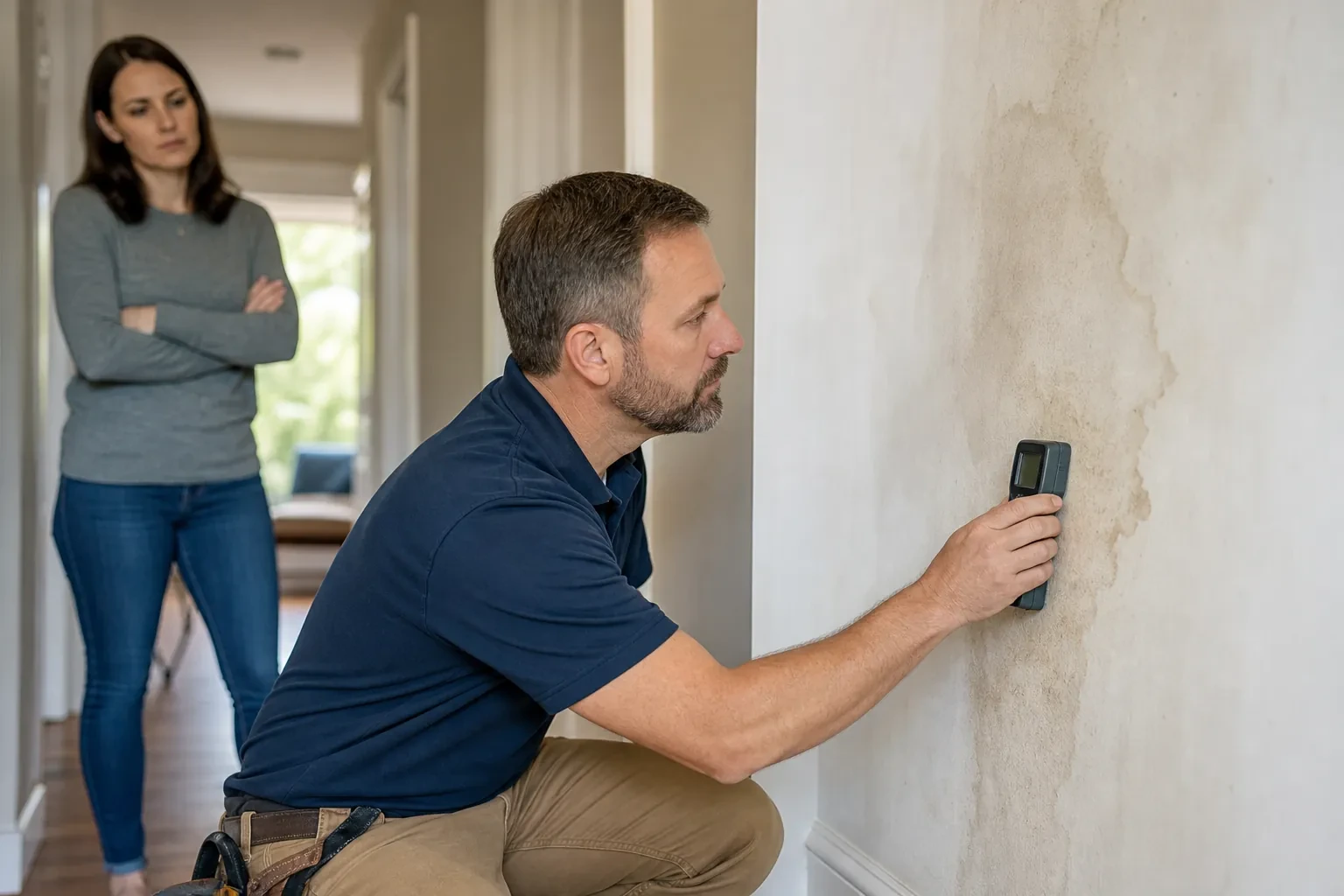
What to do next: Small surface mold in a bathroom is usually a ventilation issue. Mold appearing in a bedroom, hallway, or living room — anywhere without an obvious humidity source — deserves investigation of what is behind or beneath that wall. Do not simply clean it and move on if it returns.
8. A Drop in Water Pressure
What it means: Less water is reaching your fixtures than the system is supplying. One possible reason: some of the flow is escaping through a leak before it arrives.
Why it happens: Your plumbing is a closed, pressurized system. A breach in a supply line gives water an alternate exit, which reduces the pressure available downstream. The effect is usually most noticeable when multiple fixtures run at once, or at fixtures far from the main entry point. Pressure drops have other causes too — mineral buildup, a partially closed valve, municipal supply issues — so this sign is meaningful mainly in combination with others on this list.
What to do next: Check whether the drop affects the whole house or one fixture (a single slow faucet is usually a local issue). If pressure is down house-wide and a neighbor’s is fine, a supply-side leak belongs on the suspect list.
9. Unusually Lush Patches in the Yard
What it means: Part of your landscaping is getting watered that you did not water. A section of grass that is greener, taller, or faster-growing than the rest — especially during dry weather — is being fed from below.
Why it happens: An underground leak on the service line or an irrigation line releases water directly into the soil. Grass roots find it, and the result is a visibly thriving patch surrounded by normal lawn. In Kyle’s hot, dry stretches, the contrast can be striking: one emerald island in an otherwise stressed yard. Soggy or spongy soil in the same area strengthens the case.
What to do next: Walk the yard during a dry spell and look for the pattern. Note whether the lush area sits along the likely path from the meter to the house. If irrigation is off and the patch persists, an underground line is the probable source — and our water leak detection services cover how underground sources are located.
10. Foundation Cracks or Soil Shifting
What it means: Water is moving soil beneath or around your foundation. In the expansive clay soils common around Kyle, sustained moisture changes soil volume, which can stress the foundation.
Why it happens: Clay soil swells when wet and shrinks when dry. A long-running leak keeps one zone of soil consistently saturated while the rest cycles normally, creating uneven pressure against the foundation. Over time this can contribute to cracking or subtle shifting. This is a late-stage sign — it indicates a leak that has been active for an extended period — which is exactly why the earlier signs on this list matter so much.
What to do next: New or widening cracks, doors that suddenly stick, or visible soil erosion near the foundation all warrant prompt professional attention — both for the leak and for the foundation. Do not wait on this one.
What to Do When You Notice a Sign
Seeing one sign does not automatically mean you have a leak — but it does mean you have a question worth answering. A practical sequence:
- Document it. Photos, dates, and notes about when you first noticed the change.
- Check the easy explanations. A running toilet, a sprinkler schedule, a recent change in household routine.
- Look for corroboration. One sign is a hint; two or three pointing the same direction is a pattern. A rising bill plus a musty smell plus a stain is a very different situation from a single stain after a spilled mop bucket.
- Do not open walls yourself. Once the evidence points to a hidden source, exploratory demolition without a located target usually creates repair work without finding the leak.
- Get a professional assessment. A systematic investigation narrows the search logically instead of by guesswork. Read our guide on how leak detection works to know exactly what that visit involves.
When to Call a Professional Promptly
Some situations should not wait for a convenient appointment. Call sooner when you see active water intrusion — water visibly entering or pooling where it should not — a rapidly expanding stain, a warm floor spot that appeared suddenly, or any sign of foundation movement. For urgent situations, our emergency leak detection page explains how time-sensitive cases are handled.
For everything else, the right move is simply to start the conversation. Call (512) 729-5265 to discuss your situation — describe what you have noticed, and you will get an honest read on whether a professional visit makes sense. Homeowners in Plum Creek, Six Creeks, Crosswinds, Steeplechase, Waterleaf, and across Kyle can also explore all of our homeowner resources in the guides section.
Frequently Asked Questions
How many signs do I need before I should worry?
There is no magic number, but patterns matter more than individual signs. Two or three signs pointing in the same direction — for example, a rising bill, a musty smell, and a stain — is a strong case for professional assessment. A single isolated sign may have a simple explanation.
Can a hidden leak exist with no visible signs at all?
Yes, especially early on or when the leak is underground. In those cases the water bill is often the only evidence, which is why watching your usage trend matters as much as watching your walls.
Are these signs different for slab foundations?
Some are more relevant. Warm floor spots and the sound of running water under the floor are classic slab-leak indicators, because the leak sits beneath concrete you cannot see through. Wall and ceiling signs apply to any foundation type.
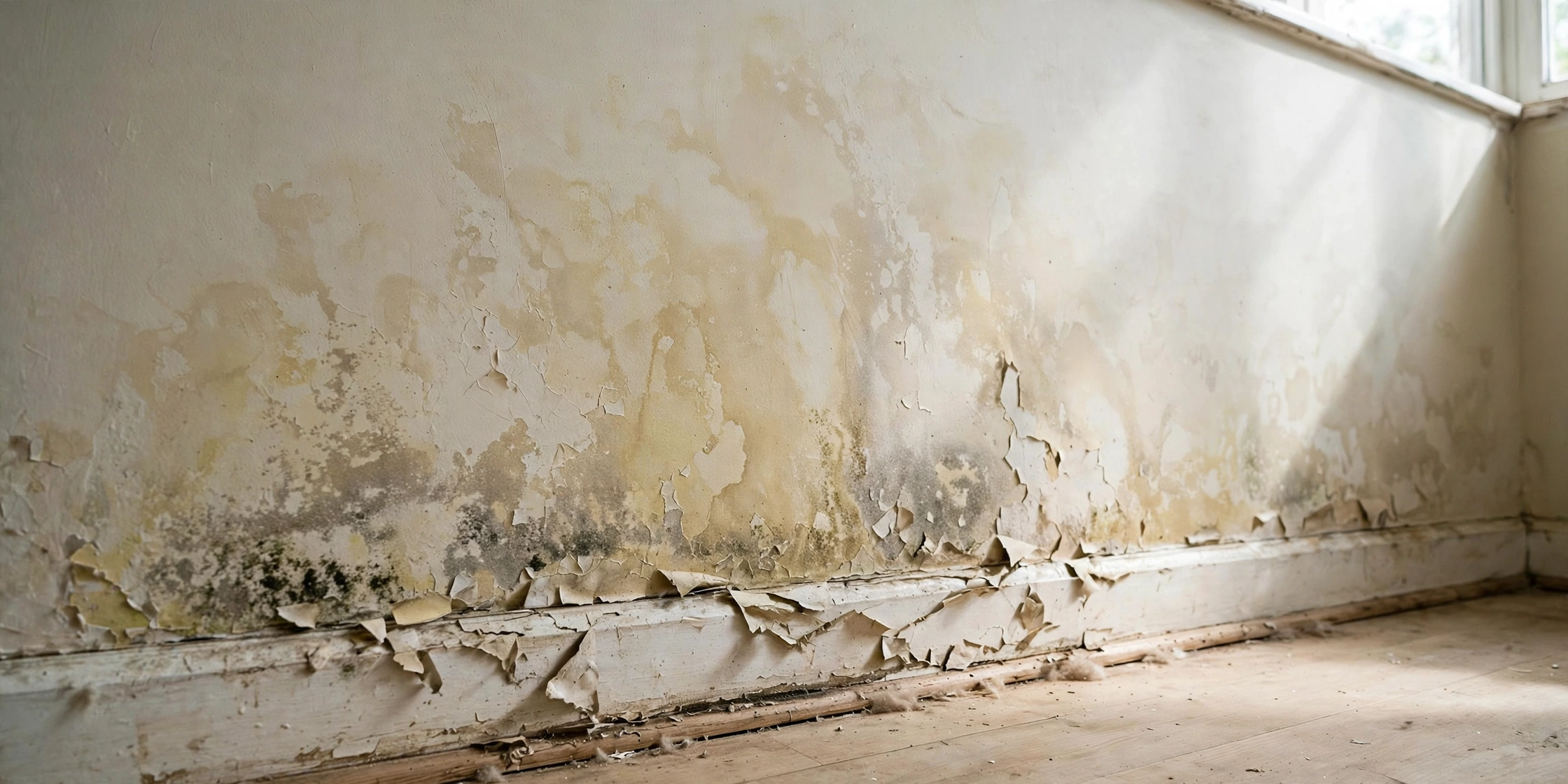
If I see mold, should I clean it or call someone first?
For small, clearly humidity-related mold in a bathroom, cleaning and improving ventilation is reasonable. For mold appearing in rooms without an obvious moisture source — or mold that returns after cleaning — investigate the hidden source before treating the surface again.
Do these signs mean I definitely need leak detection?
They mean you have a question that deserves an answer. Some signs resolve to simple causes — a spilled appliance, a one-time overflow. The value of a professional assessment is certainty: confirming whether there is a hidden source and, if so, where it is.