

Looking for Freeze Protection Pipes Texas? Freeze protection for pipes in Texas looks different than it does up north — and that difference is exactly why freezes do so much damage here. Homes built for 100-degree summers have exposed hose bibs, uninsulated backflow assemblies, and irrigation lines that never got winterized, because most winters never demanded it. Then a hard freeze arrives, water expands as it freezes inside a pipe, and something splits.
This guide covers what to do before a freeze warning, how to handle the cold snap itself, and — our specialty — the post-freeze leak checks that catch burst pipes before they become flood claims. Prevention is homeowner work; detection after the fact is ours. Many homeowners searching for Freeze Protection Pipes Texas start by checking the signs listed above.
Freeze Protection Pipes Texas: Before the Freeze: The 48-Hour Checklist
When a hard freeze (sustained below 28°F) is forecast:
- Insulate exposed pipes. Foam sleeves on any exterior or unheated-space piping — hose bibs, garage runs, attic lines. A few dollars of insulation now beats a costly repair later.
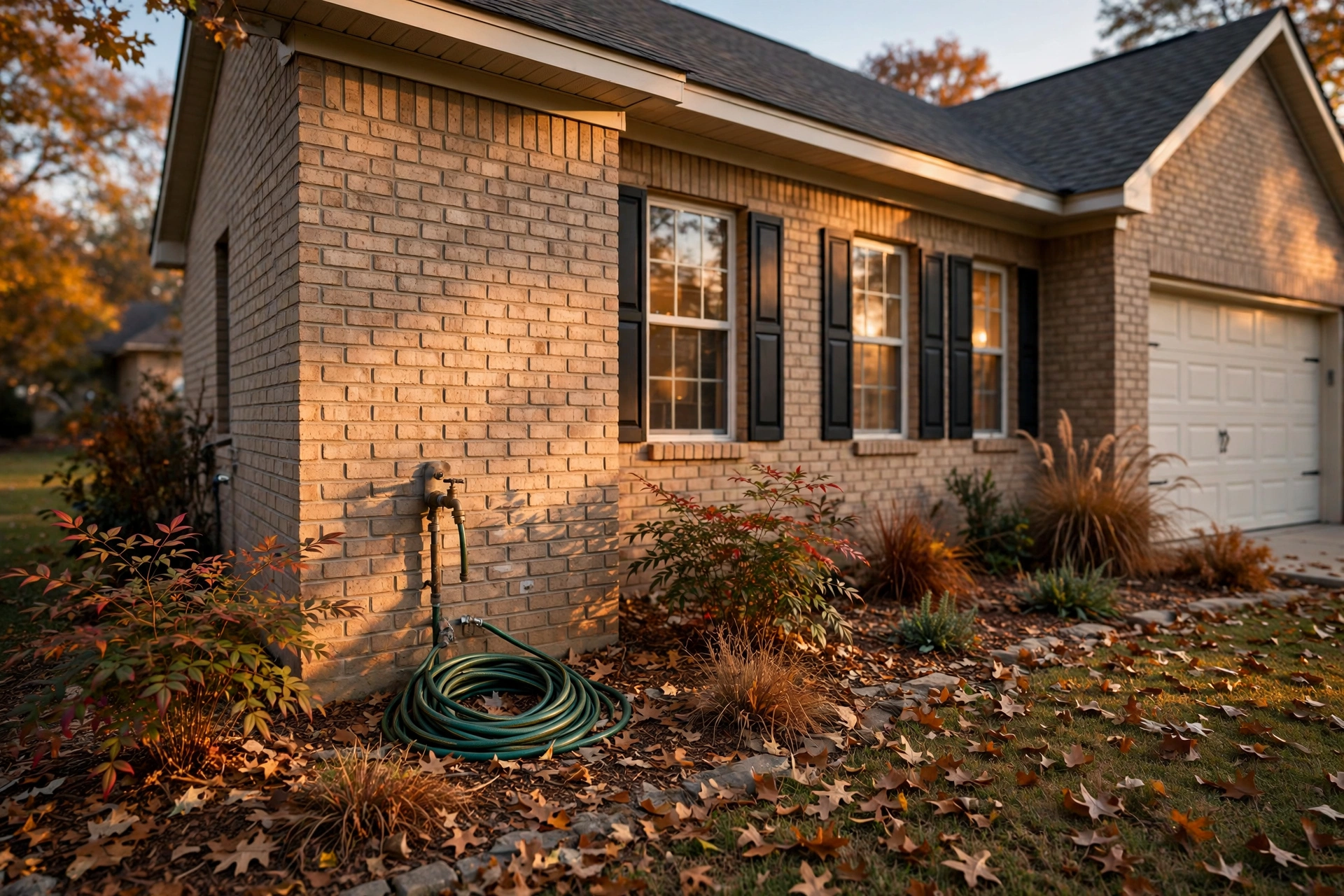
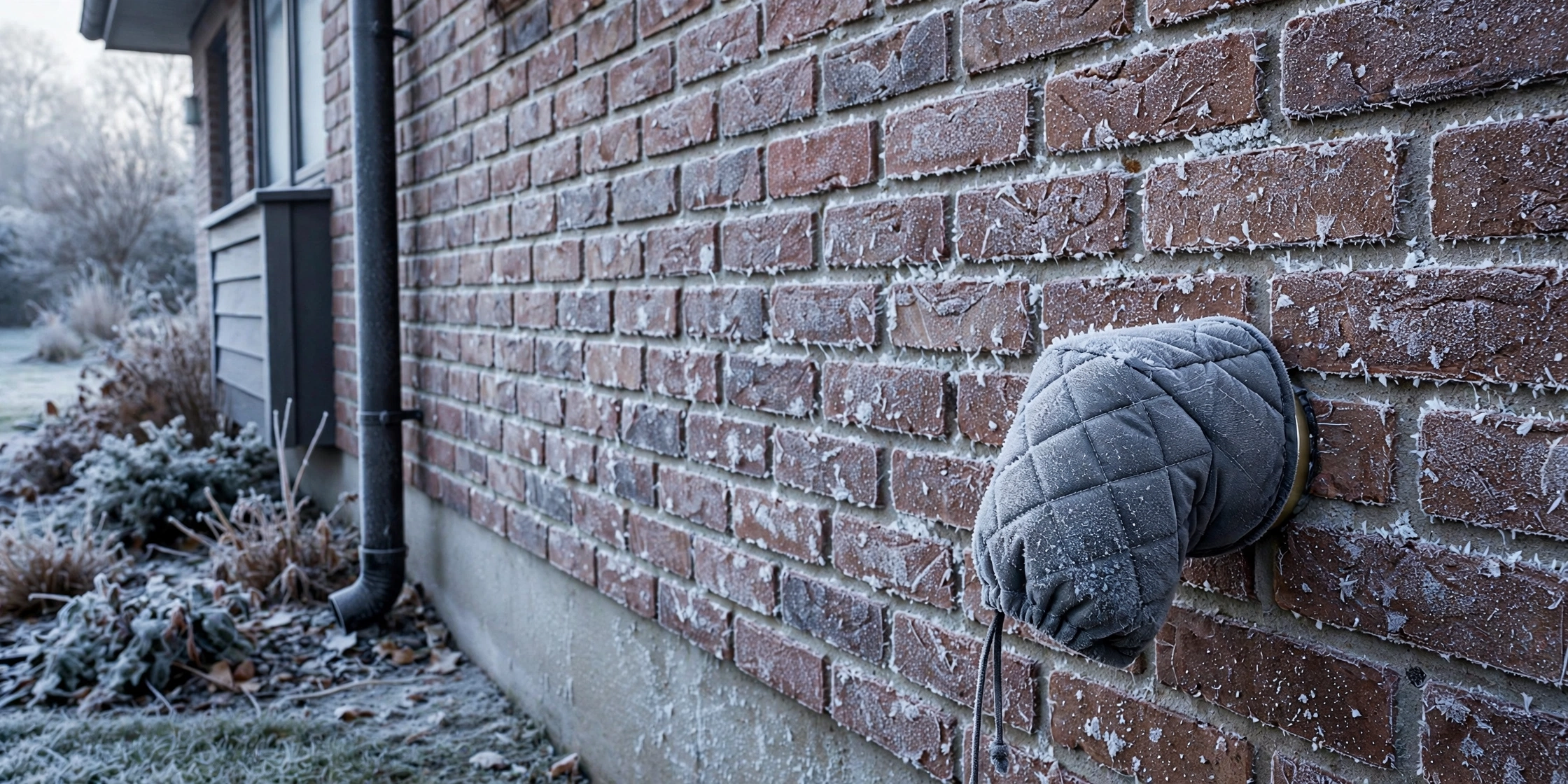
- Cover hose bibs. Insulated faucet covers on every exterior spigot. Disconnect hoses first — a connected hose traps water in the bib and defeats the cover.
- Protect the backflow assembly. The irrigation backflow preventer (usually the brass assembly above ground near the meter) is one of the most freeze-vulnerable irrigation components in Kyle. Wrap it in insulation and cover it — split backflow preventers are among the most common freeze-damage items found each spring.
- Drain and shut off irrigation. Close the irrigation shutoff valve and drain the backflow assembly if you know how. At minimum, run the controller to OFF so no zone tries to fire during the freeze.
- Protect the pool equipment if applicable — running the pump during the freeze keeps water moving (moving water freezes slower), per your equipment maker's guidance.
- Know your main shutoff location now. If a pipe bursts at 2 AM, you don't want to be hunting for the valve with a flashlight. Find it today; make sure it turns.
During the Freeze
- Let faucets drip on exterior-wall plumbing — a pencil-thin stream on both hot and cold. Moving water resists freezing, and an open tap relieves the pressure that actually bursts pipes (it's pressure, not ice, that splits them).
- Open cabinet doors under sinks on exterior walls so house heat reaches the pipes.
- Keep the thermostat steady, day and night — no nighttime setback during a hard freeze. A little extra heat is cheap insurance.
- Don't use the irrigation, pool autofill, or outdoor water for anything non-essential until the thaw.
- For official winter preparedness guidance alongside these plumbing steps, Ready.gov's winter weather page is a useful reference. (External link, opens in a new tab, rel="nofollow".)
After the Thaw: The Leak Check That Matters Most
Pipes usually burst during the freeze but reveal themselves after the thaw — when ice melts and pressurized water finds the split. Within 24 hours of temperatures rising above freezing: If you need Freeze Protection Pipes Texas, calling early usually saves money compared to waiting.
- Walk the house listening. With everything off, stand quietly — hissing inside a wall is a burst pipe announcing itself.
- Check the water meter. Run the standard 15-minute meter test: everything off, watch for movement. A meter that spins freely after a freeze is the clearest burst-pipe signal there is.
- Inspect the usual victims. Hose bibs (turn each on and watch for leaks inside the wall), the backflow assembly (cracks, dripping test cocks), irrigation valve boxes (standing water), and the water heater area.
- Look for new stains. Check ceilings under bathrooms and walls near exterior plumbing for fresh discoloration over the next few days — some splits leak slowly.
- Watch the first bill. An unexplained jump on the next water bill after a freeze is a delayed burst-pipe signature.
If any check fails, shut the main valve and call — a burst pipe leaking inside a wall is an emergency leak detection situation, and fast location limits the damage. Our Freeze Protection Pipes Texas process is straightforward and explained in plain language.
The Thaw-Day Walkthrough (Room by Room)
Do this the morning after temperatures climb back above freezing — it takes 20 minutes: For Freeze Protection Pipes Texas, the first step is always understanding your symptoms.
- Every hose bib: turn each one on full and watch. Water flowing normally from the spigot is good; water leaking from inside the wall behind it means the bib split. Check both sides of the wall.
- Under every sink: open cabinets and look at supply connections and the wall behind. Fresh drips or damp spots that weren't there before the freeze are suspect.
- Water heater closet: check the relief valve discharge pipe and the base of the tank for new moisture.
- Laundry room: supply hoses and their shutoff valves — the rubber hoses are a weak point in freezes.
- Irrigation valve boxes: lift the lids and look for standing water or cracked valve bodies.
- Pool equipment pad (if applicable): check the pump housing, filter, and exposed PVC for cracks.
Anything suspicious: shut the main valve, then call. A split found on thaw day is a small repair; the same split found a month later is a mold remediation project. We provide Freeze Protection Pipes Texas for homes across the Kyle area.
The Backflow Preventer: Kyle's Freeze Weak Link
Worth a section of its own, because it surprises homeowners every winter. The backflow assembly sits above ground by code (so it can vent), which makes it the most exposed brass in your whole plumbing system. When it freezes and splits: Questions about Freeze Protection Pipes Texas? The sections above cover the most common ones.
- You'll often see water spraying or streaming from the assembly once things thaw.
- The irrigation shutoff valve upstream of it is your immediate stop — close it.
- The assembly needs replacement by an irrigation or plumbing professional, and many municipalities require a certified test after replacement.
Insulating it before the freeze costs almost nothing. Replacing it afterward costs far more. This is the highest-ROI five minutes in the whole checklist. Professional Freeze Protection Pipes Texas helps you avoid guesswork and unnecessary repairs.
What About Pipes in the Slab?
Under-slab lines are insulated by the earth itself — soil temperatures a few feet down stay far above freezing even in a hard snap. Freeze bursts overwhelmingly hit exposed plumbing: hose bibs, attic runs, garage lines, backflow assemblies, and irrigation components. If you have slab-foundation leak symptoms with no freeze history, read our clay soil and slab leaks guide instead — different cause, different hunt.
Related: emergency leak detection in Kyle · irrigation leak detection · Crosswinds leak detection · leak detection cost · browse all guides
Frequently Asked Questions
How cold does it have to get to burst pipes in Kyle?
Damage starts with sustained temperatures below freezing, and the risk jumps for pipes exposed to wind and prolonged sub-28°F cold. Duration matters as much as the low — a brief dip to 30°F is far less dangerous than 20 hours at 25°F.
Should I drip my faucets during a freeze?
Yes — a pencil-thin stream on faucets served by exterior-wall plumbing. It's the pressure relief, not just the water movement, that prevents bursts: an open tap gives expanding ice somewhere to push instead of splitting the pipe.
My backflow preventer is leaking after the freeze — what do I do?
Close the irrigation shutoff valve upstream of it to stop the water, then have the assembly replaced (and retested, if required). Don't just leave it dripping until spring — it wastes water and the next freeze finishes the job.
How do I know if a pipe burst inside my wall?
The signs: hissing with everything off, a spinning water meter on the 15-minute test, fresh stains appearing after the thaw, or a sudden pressure drop. Any of these after a freeze warrants professional detection — call (512) 729-5265 to discuss your situation.
Do I need to winterize my sprinkler system in Kyle?
A full northern-style blowout is overkill most years, but shutting the irrigation off, closing its shutoff valve, and insulating the backflow assembly before a hard freeze is the sensible Central Texas version. The backflow is the part that actually breaks.
The freeze is over and everything looks fine — am I in the clear?
Mostly, but run the meter test once and glance at your next water bill. Slow splits can leak for weeks before showing a stain. One 15-minute check buys real peace of mind.
Freeze came and went, and now something's not right? Call (512) 729-5265 to discuss your situation — finding the split early keeps a small leak from becoming a big claim.
Post-Thaw Leak Checks
The January 2026 Central Texas freeze reminded Kyle homeowners that pipes usually split during the freeze but only start leaking when the ice melts. Once temperatures are safely back above freezing, give your plumbing a deliberate once-over before life goes back to normal — “everything looks fine” on thaw morning doesn’t always mean you’re in the clear. Work through these four checks:
1. Water meter test: Turn off every faucet, appliance, and the ice maker, then watch your water meter for 15 minutes. If the dial or low-flow indicator keeps moving with nothing running, water is escaping somewhere — that’s your cue to dig deeper.
2. Visible pipe inspection: Walk the garage, attic access, and any exposed pipe runs, and open the sink cabinets on exterior walls. Look for drips, fresh damp spots, swollen insulation, or one section of pipe still frosted while the rest has thawed.
3. Water heater area: Check the base of the tank, the relief-valve discharge pipe, and the floor around it for new moisture. Freeze-related pressure spikes can make fittings weep that were perfectly fine before the cold snap.
4. Outdoor spigots and backflow: Turn each hose bib on full — water should come out of the spigot, not leak from inside the wall behind it. Then check the irrigation backflow assembly for cracks, drips, or spraying once the system is pressurized.
When to call for detection: Call (512) 729-5265 if the meter test fails, you hear hissing with everything off, you find fresh stains or damp drywall, or a spigot misbehaves — especially if you can’t see where the water is going. A hidden split found this week is a small, contained fix; the same split found on next month’s water bill is a much bigger problem. We find and mark the leak so your plumber can repair it fast.